

Are you looking to grow your own lettuce but unsure how many plants you can fit in your garden space? You’re not alone! Many gardeners face this challenge, wanting to maximize their yield while ensuring each plant has room to thrive.
Key Takeaways
- Lettuce Spacing is Key: Proper spacing of 6 to 12 inches for lettuce plants is crucial for healthy growth and maximum yield.
- Type of Lettuce Matters: Leafy varieties can be planted closer together, while head types like iceberg need more room for optimal development.
- Consider Growing Conditions: Environmental factors such as soil quality, growing method, and climate should influence your planting density and spacing strategy.
- Square Foot Gardening Technique: Plant 4 to 16 lettuce seeds per square foot based on the variety, enhancing space efficiency and garden maintenance.
- Soil and Water Factors: Ensure nutrient-rich, well-draining soil and maintain consistent moisture for healthy lettuce growth.
- Avoid Common Mistakes: Prevent overcrowding and insufficient soil nutrition to boost your lettuce garden’s success and yield.
Understanding Lettuce Plant Spacing
Understanding the correct spacing for lettuce plants is crucial for a successful harvest. Proper spacing impacts growth, air circulation, and ultimately the yield of your garden.
Importance of Plant Spacing
Plant spacing affects not only the size of each lettuce head but also the overall health of your plants. Crowded plants compete for light, water, and nutrients, leading to small, weak heads. For optimal growth, align your planting density with the type of lettuce you’re growing. Generally, spacing lettuce 6 to 12 inches apart results in healthier plants. Leaf lettuce typically requires closer spacing, while head lettuce needs more room for its roots to expand.
Factors Influencing Spacing
Several factors determine the proper spacing for your lettuce plants.
- Type of Lettuce: Leafy varieties like Romaine can be spaced closer together than larger heading types such as iceberg.
- Growing Method: In-ground gardening allows for different spacing compared to raised beds or containers. For instance, container gardeners can plant more densely as the soil warms faster.
- Environmental Conditions: Cooler climates often yield larger heads due to slower growth rates, allowing for greater space between plants. Conversely, warm climates may call for closer spacing to promote faster growth and limit bolting.
- Soil Quality: Well-nourished soil supports closer spacing, as nutrient availability can compensate for the competition. In poor soil, wider spacing is beneficial to reduce strain on available resources.
By considering these factors, you can optimize your lettuce planting strategy for a bountiful harvest.
Recommended Plant Density
Determining the right plant density for lettuce ensures a healthy, productive garden. Optimal spacing maximizes growth while preventing competition for resources.
Recommended Products

EASIER SEED STARTING: Our Burpee SuperSeed tray with 36 flexible pop-out cells is designed to simplify indoor seed starting for all your favorite vegetables, flowers and herbs. Just add seed starting mix, seeds, water and light to get growing! Rows are labeled alphanumerically for seedling identification with included Plant-o-Gram diagram. Tray dimensions: 11.5" x 10-3/8" x 2-1/4"
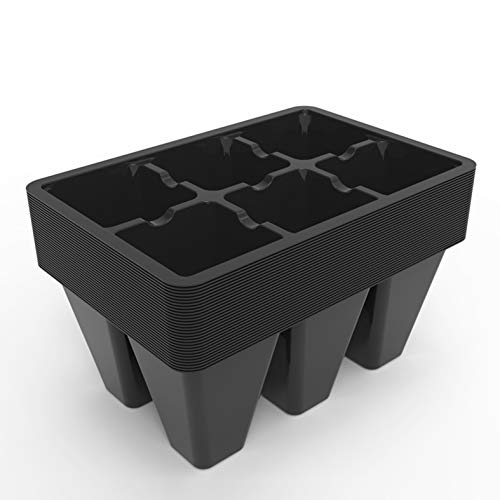
High Quality and Durable - Our Gardzen Seed Start Trays are made from premium plastic material, ensuring long-lasting use for all your seed starting needs. These trays are designed to withstand daily wear and tear, making them perfect for avid gardeners.

Sturdy & Reliable: Made from sturdy plastic, this seedling starter tray holds its shape when full of wet soil; A dependable plant starter tray built to resist bending or cracking season after season
Square Foot Gardening Method
For the square foot gardening method, plant 4 to 16 lettuce seeds per square foot, depending on the variety. Leafy types thrive with closer spacing. For example, you might plant 4 seedlings per square foot for butterhead or loose-leaf varieties, while spacing romaine at 9 seeds per square foot works well. This method promotes effective use of space and simplifies maintenance.
Traditional Row Planting
In traditional row planting, maintain a distance of 12 to 18 inches between rows. Within each row, space lettuce 6 to 12 inches apart. For instance, plant iceberg heads 12 inches apart, allowing ample space for growth. This arrangement minimizes crowding and improves air circulation around the plants, reducing the risk of disease.
Adjust your planting density based on your garden’s specific conditions for the best results.
Maximizing Yield
Maximizing yield involves understanding the factors that influence lettuce growth. Proper soil quality, light exposure, and water management play vital roles in achieving abundant harvests.
Soil Quality and Preparation
Soil quality significantly impacts lettuce health. Choose well-draining, nutrient-rich soil for optimal growth. You can enhance soil quality by:
- Testing pH: Aim for a pH between 6.0 and 7.0 for best results.
- Adding Organic Matter: Incorporate compost or aged manure to improve fertility. Aim for at least 1 to 2 inches of organic matter mixed into the top 6 inches of soil.
- Ensuring Drainage: Avoid waterlogging by selecting raised beds or improving soil structure with sand or perlite.
Light and Water Requirements
Lettuce thrives in specific light and water conditions. These factors are crucial for maximizing growth potential.
- Light: Provide 12 to 16 hours of light daily for best results. Use grow lights if you’re starting seedlings indoors.
- Water: Keep the soil consistently moist but not soggy. Water deeply 1 to 2 times per week, aiming for about 1 inch of water weekly. Regularly monitor soil moisture to prevent drought stress or rot.
By focusing on these elements, you help create the ideal environment for lettuce to flourish, enhancing your overall yield.
Common Mistakes to Avoid
Gardening can be rewarding, but mistakes often hinder your success. Here are some common pitfalls when planting lettuce and how to avoid them.
Overcrowding Plants
Overcrowding is a frequent mistake that reduces growth potential. You might think that planting more seeds in a small area maximizes yield, but it often leads to competition for resources. Lettuce plants need space for proper air circulation and light absorption.
For leafy varieties, space them 6 to 8 inches apart. For larger types, aim for 12 inches. Adjust seed numbers per square foot to avoid crowding. Try planting 4 to 16 seeds per square foot depending on the variety. Monitor plant growth to ensure each has room to flourish.
Inadequate Soil Nutrition
Inadequate soil nutrition can stunt your lettuce plants. Poor nutrient levels lead to weak, unhealthy growth. Test your soil for pH and nutrient content to tailor your approach.
Incorporate organic matter, such as compost, to boost soil fertility. Regularly fertilize with a balanced fertilizer that promotes leafy growth. This helps ensure your plants receive essential nutrients. Healthy soil promotes vigorous growth and enhances your yield.
Avoiding these mistakes can significantly enhance your lettuce gardening experience, leading to robust and fruitful plants.
Conclusion
Growing lettuce can be a rewarding experience when you understand the right spacing for your plants. By giving each lettuce the space it needs to thrive you can enjoy a bountiful harvest. Remember to consider the variety of lettuce you’re planting and adjust your spacing accordingly.
Whether you’re using square foot gardening or traditional row planting the key is to avoid overcrowding. Keep an eye on your plants and make adjustments as needed to ensure they have enough room to grow healthy and strong. With a little care and attention you’ll be on your way to enjoying fresh lettuce right from your garden. Happy gardening!
Frequently Asked Questions
What is the ideal spacing for lettuce plants?
The ideal spacing for lettuce plants generally ranges from 6 to 12 inches apart. Leafy varieties like Romaine can be planted closer together, while larger types, such as iceberg, require more space for optimal growth.
How does spacing affect lettuce growth?
Proper spacing is crucial as it impacts growth, air circulation, and overall yield. Crowded plants compete for light, water, and nutrients, leading to smaller heads and reduced health of the plants.
What is square foot gardening for lettuce?
Square foot gardening involves planting 4 to 16 lettuce seeds per square foot, depending on the variety. Leafy types thrive in closer spacing, while larger types need more room to grow effectively.
What soil quality do lettuce plants need?
Lettuce plants prefer well-draining, nutrient-rich soil. Enhancing soil quality can be achieved by testing pH, adding organic matter like compost, and ensuring proper drainage for optimal growth.
How much light do lettuce plants require?
Lettuce needs 12 to 16 hours of light daily for optimal growth. Providing sufficient light helps the plants develop strong leaves and overall health while maximizing yield.
What are common mistakes to avoid when growing lettuce?
Common mistakes include overcrowding plants, which reduces growth, and inadequate soil nutrition. It’s essential to space leafy varieties 6 to 8 inches apart and larger types 12 inches apart while testing and improving soil health.
