

Have you ever wondered how many lettuce plants you can fit in a single pot? If you’re looking to grow your own crisp greens at home, you’re not alone. Many gardeners face the challenge of maximizing space while ensuring healthy plants.
Key Takeaways
- Understand Spacing Needs: Leafy lettuce varieties thrive with 2 to 4 plants per 12-inch pot, while headed varieties require 1 to 2 plants for optimal growth.
- Consider Pot Size: Use at least a 10-inch pot for headed varieties like romaine and iceberg, and larger pots for more leafy greens to enhance drainage and air circulation.
- Monitor Water and Light: Ensure consistent moisture (1 to 2 inches weekly) and provide at least 10 to 12 hours of light daily to support healthy growth.
- Choose Quality Soil: A nutrient-rich, well-draining potting mix is essential for robust root development and overall plant health.
- Avoid Common Mistakes: Steer clear of overcrowding, improper watering, and neglecting light requirements to ensure a successful lettuce harvest.
- Regular Maintenance: Thin out overcrowded seedlings and rotate crops to maintain nutrient levels and prevent diseases for a bountiful lettuce garden.
Understanding Lettuce Growth
Lettuce grows best in conditions that support its rapid development. The average lettuce plant needs around 6 to 12 inches of space to thrive. This spacing allows for proper airflow and light penetration. When planting in pots, consider the type of lettuce. Leafy varieties, like looseleaf and butterhead, adapt well to closer planting. Aim for 2 to 4 plants per pot that’s 12 inches in diameter for these types.
Headed varieties, such as romaine or iceberg, require more space. Each pot should hold just 1 to 2 of these plants to ensure adequate growth. Monitor your plants closely. If you see them crowding, transplant them to larger pots or separate them into additional containers.
Watering and light also impact growth significantly. Lettuce requires consistent moisture, so check the soil regularly. Aim for 1 to 2 inches of water per week, adjusting based on conditions. Ensure your pots receive at least 10 to 12 hours of light daily; this promotes healthy leaves and prevents bolting.
Use quality potting soil with good drainage. A mix of peat moss, vermiculite, and compost works best. Fertilize every few weeks with a balanced, water-soluble fertilizer. Following this routine helps achieve flourishing lettuce plants, making your gardening experience rewarding.
Factors Influencing Plant Density
Plant density affects lettuce growth. Several factors determine how many lettuce plants you can place in a pot. Understanding these factors ensures healthier plants and better yields.
Recommended Products

Complete Lettuce Garden Starter Kit Indoor – 5 heirloom salad and green seed packets, 8 biodegradable soil disks, 8 plant markers, and 8 starter pots. Romaine, Spinach, Arugula, Kale and Buttercrunch lettuce heirloom seeds are the star of the set!

Heirloom Non-GMO Seeds: The seed pod kit contains 6 kinds of lettuce seeds, they are Red&Green Leaf Lettuce, Romaine, Butter Head, Black Seeded Simpson, Red Sail, Marvel of 4 Seasons. Various kinds of lettuce seeds, each one is rich in nutritional value. 100% Non-GMO, open pollinated

Pot Size Considerations
Pot size directly impacts lettuce plant density.
- 12-Inch Pot: You can fit 2 to 4 leafy lettuce plants, allowing adequate space for their roots.
- Larger Pots (16-Inch or More): Consider 4 to 6 leafy lettuce plants if you prefer a more spacious arrangement.
- Headed Varieties: Use at least a 10-inch pot for 1 or 2 headed varieties like romaine or iceberg to ensure good growth.
Larger pots provide better drainage and air circulation, promoting a healthier environment for your plants.
Lettuce Variety Selection
Lettuce variety influences planting needs.
- Looseleaf Varieties: These varieties grow relatively fast and can share space well. Use 2 to 4 plants per pot.
- Butterhead: Plant around 2 to 3 butterhead varieties per pot, giving them room to grow without overcrowding.
- Romaine/Iceberg: Stick to 1 or 2 plants per pot for these headed varieties to allow for proper head formation.
Select appropriate varieties depending on your pot size and intended yield for the best results in your lettuce garden.
Recommended Planting Strategies
Choosing the right number of lettuce plants per pot enhances your success in growing these greens. Implementation of effective planting strategies aligns with the specific variety and pot size.
Recommended Products

HELPS REGULATE SOIL MOISTURE: Miracle-Gro Organic Indoor Potting Soil Mix is an organic potting soil that protects indoor plants against over and under watering

🌱 PERFECT FOR ALL PLANTS Versatile all-purpose potting mix designed for indoor plants, outdoor gardening, seeds, herbs, flowers, and vegetables. Ideal for beginners and experienced growers.

Spacing Guidelines for Different Varieties
Space lettuce plants according to their type.
- Leafy Varieties: Plant 4 to 6 seedlings in a 12-inch pot. This spacing allows for ample light and nutrient access.
- Headed Varieties: Use 1 to 2 seedlings in a 12-inch pot. They need extra room to develop their full heads without competition.
Adjust your planting density based on pot size:
| Pot Size (inches) | Leafy Lettuce Plants | Headed Lettuce Plants |
|---|---|---|
| 8 | 2 | 1 |
| 10 | 3 | 1 |
| 12 | 4–6 | 1–2 |
Tips for Optimal Growth
Follow these tips to ensure healthy growth:
- Rotate seedlings: Regularly alter their positions in relation to light sources to promote even growth.
- Use quality soil: A well-draining, nutrient-rich potting mix supports robust root development.
- Monitor moisture: Keep soil consistently moist but not soggy. Overwatering can lead to root rot.
- Provide adequate light: Aim for 12 to 16 hours of light daily. If lacking natural sunlight, consider using grow lights.
- Thin out seedlings: If plants overcrowd, remove weaker ones. This practice improves air circulation and growth rates.
Common Mistakes to Avoid
Avoiding common mistakes helps ensure successful lettuce growth. Here are key pitfalls to watch out for:
- Overcrowding Plants
Many beginners plant too many lettuce seedlings in one pot. Instead, space them according to the guidelines for each variety. Leafy types require about 4-6 inches between plants, while headed types need more space. - Improper Watering
Underwatering or overwatering leads to issues. Check the soil moisture regularly. Water when the top inch feels dry, aiming for consistent moisture without waterlogging. - Neglecting Light Requirements
Insufficient light stunts growth. Place your pots in an area that receives 6-8 hours of sunlight daily. If indoors, consider using grow lights to supplement natural light. - Using Poor Quality Soil
Low-quality soil affects plant health. Opt for a nutrient-rich potting mix designed for vegetables. This ensures your lettuce gets the necessary nutrients for growth. - Ignoring Air Circulation
Thinning seedlings and providing adequate spacing enhances air circulation. This prevents fungal diseases and allows plants to grow more vigorously. - Failing to Rotate Crops
Growing lettuce in the same pot year after year can deplete nutrients. Rotate your crops or change out the soil to keep nutrient levels sufficient. - Postponing Harvest
Waiting too long can lead to bitter flavors, especially in leafy varieties. Harvest leaves regularly when they reach your desired size to enjoy fresh and tasty lettuce.
By steering clear of these mistakes, you can promote healthy lettuce plants and a more bountiful harvest.
Recommended Products
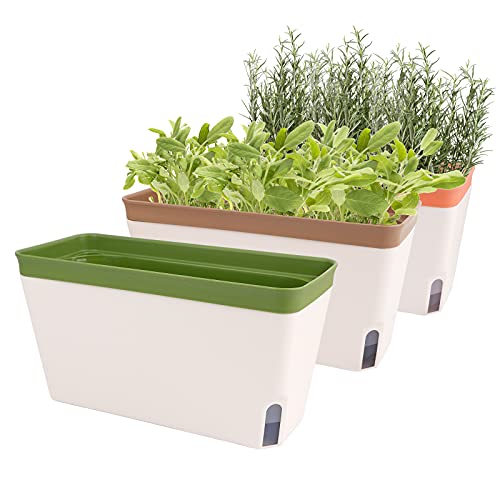
SELF-WATERING PRINCIPLE: Through two absorbent cotton ropes, the self watering pots provide water to the soil and keep the soil moist through the principle of osmosis, without having to water the plants regularly. Even if you leave home for a few days, it can help you take care of the plants and avoid plants die from water shortage.

Space-Saving : This strawberry planter maximizes your gardening space by stacking 5 layers to grow more plants in a compact area. The strawberry tower planter is ideal for patios, balconies, or indoor use

300G THICKENED FABRIC, BUILT FOR MULTIPLE SEASONS — 300 g/m² non-woven fabric (vs. 200 g/m² or thinner on entry-level bags), so the walls hold their shape when filled and resist tearing at the seams. Each empty bag weighs 4 oz — 16 oz for the 4-pack. Fold flat and store indoors over winter and they are built to be replanted season after season 3.
Conclusion
Growing lettuce can be a rewarding experience when you know the right techniques. By paying attention to spacing and care you’ll set yourself up for success. Remember that each variety has its own needs so don’t hesitate to experiment a bit.
With the right approach you’ll enjoy fresh and delicious lettuce right from your own garden. Happy planting and enjoy your harvest!
Frequently Asked Questions
What are the common mistakes to avoid when growing lettuce at home?
Many people make mistakes like overcrowding seedlings, ignoring soil moisture, or using low-quality soil. Ensuring proper spacing, watering, and using good soil is essential for healthy growth.
How should I space my lettuce seedlings?
Lettuce seedling spacing depends on the variety. Generally, seedlings should be spaced 6 to 12 inches apart to allow for adequate growth and air circulation.
Why is soil moisture important for lettuce?
Proper soil moisture helps lettuce thrive. Too little can lead to wilting, while too much can cause root rot. Regularly check the soil’s dampness to maintain balance.
How can I provide enough light for lettuce?
Lettuce needs around 12 to 16 hours of light daily. If growing indoors, consider using grow lights to supplement natural light, especially in winter months.
What type of soil is best for growing lettuce?
Using well-draining, nutrient-rich soil enhances lettuce growth. A mix of compost and high-quality potting soil is excellent for providing the necessary nutrients.
How does thinning seedlings improve lettuce growth?
Thinning seedlings prevents overcrowding, allowing individual plants to access nutrients, space, and light effectively. This results in healthier, more robust growth.
Why is crop rotation important for growing lettuce?
Crop rotation helps maintain soil nutrients and minimizes diseases. By changing planting locations each season, you promote healthier soil and better yields.
When should I harvest my lettuce to avoid bitterness?
Harvesting lettuce at the right time is crucial. Generally, pick leaves when they are young and tender, before the plant flowers, to avoid bitterness.
