

Have you ever wondered how many heads of lettuce you can grow from a single plant? If you’re planning a garden or just curious about maximizing your harvest, knowing the right number can make all the difference.
Key Takeaways
- Lettuce Varieties Matter: Different types of lettuce yield varying amounts; leaf lettuce may produce 1-2 harvests, while head lettuce typically yields one head per plant.
- Optimal Plant Spacing: Space lettuce 10-12 inches apart to promote airflow, sunlight access, and prevent overcrowding, which can lead to lower yields.
- Soil Quality is Crucial: Use well-draining, nutrient-rich soil with a pH of 6.0 to 7.0, enhancing lettuce growth and overall yield.
- Effective Watering Techniques: Water consistently with 1-1.5 inches per week, utilizing drip irrigation to prevent fungal diseases and promote healthy roots.
- Implement Planting Strategies: Use succession planting and intercropping for continuous harvests and efficient space utilization in your garden.
- Avoid Common Mistakes: Prevent overcrowding and ensure sufficient nutrients for optimal growth and flavor by following recommended cultivation practices.
Understanding Lettuce Varieties
Lettuce comes in various types, each offering unique characteristics and growth patterns. Knowing these varieties helps you determine how many heads to expect per plant.
Recommended Products

YEAR-ROUND GARDEN FAVORITE – Dependable butterhead lettuce that thrives in cool or moderate weather for consistent harvests from spring through fall, even under cover in winter

🥬 Classic Butterhead Variety: White Boston Butterhead Lettuce produces tender, loosely folded bibb-style heads with soft, smooth leaves and a mild, slightly sweet flavor. This cool-season annual forms compact rosettes ideal for spring and fall gardens, delivering beautiful light green heads perfect for fresh eating.

🥬 Heat-Tolerant Upright Romaine: Jericho Romaine Lettuce (Lactuca sativa) forms tall, sturdy heads with crisp ribs and tender, mildly sweet leaves. Known for its strong heat tolerance compared to many romaine varieties, it grows 18–24 inches tall and delivers reliable harvests in extended spring and early summer conditions.
Leaf Lettuce
Leaf lettuce is a loose-leaf variety that grows multiple leaves from a central stem. Each plant can yield several harvests. You can pick the outer leaves as they mature, allowing the inner leaves to continue growing. Common types include Romaine and Butterhead. Expect to harvest 1 to 2 heads per plant throughout the season, depending on care and growing conditions.
Head Lettuce
Head lettuce forms a compact head, with a single, rounded shape. Varieties like Iceberg and Buttercrunch are popular options. Each plant typically produces one head. Timing is key; you must wait until the head is firm and fully-developed before cutting. If spaced properly, 1 plant provides 1 solid head ready for salad or other dishes.
Factors Influencing Lettuce Yield
Several key factors impact the yield of lettuce plants. Understanding these variables can help you maximize your harvest.
Recommended Products

【Upgraded Tube Design & Water Saving】 Our garden watering system is upgraded to 1/2” diameter to support high water pressure. The 1/2” tee connector allows seamless splitting into 2 independent zones for customized watering schedules. By delivering moisture directly to root zones, this drip Irrigation system significantly reduces evaporation and runoff—saving more water compared to conventional sprinklers while eliminating the need for manual watering.

✔Comprehensive Drip Irrigation Kit:MIXC drip irrigation system, equipped with a versatile range of components, caters to all your garden watering needs.Includes essential parts such as 197ft 1/4'' irrigation tube, 33ft 1/2'' irrigation tube, 1/2‘’ Lock Barbed Tee connectors, drip emitter streams, vortex emitters, Blue Mist Nozzles, Quick connection tees, Faucet Connector, and more.
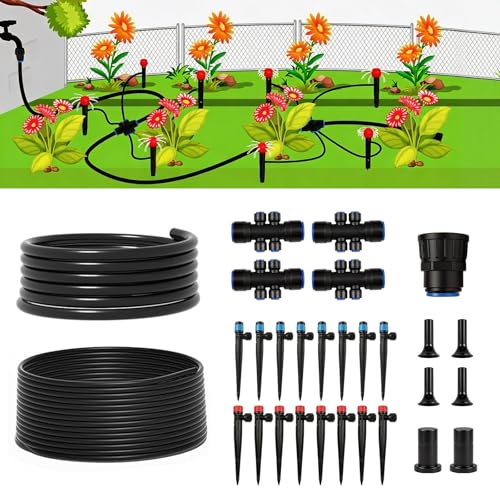
TRUE QUICK CONNECT – NO LEAKS, NO STRUGGLE: Unlike traditional kits that require twisting and force-fitting, our quick-connect design lets you simply push tubing into place. Secure, leak-resistant connections every time — no tools needed.
Plant Spacing
Proper plant spacing is crucial for optimal growth. Space lettuce plants 10 to 12 inches apart to allow adequate airflow and access to sunlight. Crowded plants compete for nutrients and light, leading to lower yields. For example, if you’re growing multiple plants, consider using staggered rows to increase spacing and encourage healthy growth.
Soil Quality
Soil quality has a significant effect on lettuce yield. Use well-draining soil rich in organic matter—aim for a pH level between 6.0 and 7.0. Conduct a soil test before planting to determine nutrient levels. Adding compost or well-rotted manure boosts fertility and provides essential nutrients. Healthy soil promotes vigorous root systems, resulting in better yields.
Watering Techniques
Efficient watering techniques enhance lettuce growth. Water deeply and consistently, aiming for 1 to 1.5 inches of water per week. Use drip irrigation to minimize evaporation and deliver moisture directly to the roots. Avoid overhead watering, which can lead to fungal diseases. Adjust watering frequency based on weather conditions; hot, dry spells may require more frequent irrigation.
Recommended Lettuce Amounts
Growing lettuce efficiently involves understanding how many heads you can expect from each plant. You can optimize your garden space and enjoy fresh produce by following specific guidelines and strategies.
Recommended Products

Precise Spacing for Better Growth - This seed spacers planting tool helps you mark evenly spaced seed positions and straight planting rows, giving plants more consistent room to grow while improving garden organization and reducing guesswork.

Heirloom Non-GMO Seeds: The seed pod kit contains 6 kinds of lettuce seeds, they are Red&Green Leaf Lettuce, Romaine, Butter Head, Black Seeded Simpson, Red Sail, Marvel of 4 Seasons. Various kinds of lettuce seeds, each one is rich in nutritional value. 100% Non-GMO, open pollinated
General Guidelines
Aim to harvest 1 to 2 heads per leaf lettuce plant, depending on the variety. Each Romaine or Butterhead plant typically offers multiple harvests over the season. For head lettuce varieties, like Iceberg or Buttercrunch, expect only one compact head per plant. Ensure proper spacing of 10 to 12 inches between plants for optimal growth. This spacing helps maximize airflow and sunlight access, promoting healthy plants.
Specific Planting Strategies
Utilize these strategies for effective lettuce cultivation:
- Seedlings: Start with seedlings or direct sow seeds in well-prepared beds. Follow the spacing guideline of 10 to 12 inches.
- Succession Planting: Practice succession planting every few weeks. This technique provides a staggered harvest, ensuring a continuous supply of fresh lettuce.
- Intercropping: Integrate lettuce with faster-growing crops, such as radishes or herbs. This method effectively utilizes space and soil nutrients.
- Seasonal Care: Adjust planting times based on your local climate. Lettuce thrives in cool weather, so early spring and fall are ideal planting seasons.
These guidelines and strategies help you maximize lettuce yields and enjoy fresh produce throughout the growing season.
Common Mistakes in Lettuce Cultivation
Lettuce cultivation can be rewarding, yet several common mistakes can hinder your harvest. Avoid these pitfalls to ensure healthy plants and maximum yield.
Overcrowding
Overcrowding affects light and airflow, stunting growth. Space seedlings 10 to 12 inches apart. This distance allows each plant to receive adequate sunlight and reduces competition for resources. Thin out excess seedlings if necessary, keeping your garden manageable. You can also implement staggered planting times; this ensures you don’t plant too many seedlings at once.
Insufficient Nutrients
Insufficient nutrients can lead to poor growth and lackluster flavor. Use nutrient-rich soil with organic matter for optimal results. Prioritize a balanced fertilization schedule throughout the growing season. Incorporate compost or well-rotted manure before planting. Test your soil’s pH regularly, keeping it between 6.0 and 7.0. This helps plants absorb nutrients more effectively, enhancing your lettuce’s overall health and taste.
Conclusion
Growing lettuce can be a rewarding experience when you know what to expect from each plant. With the right techniques and attention to detail you can enjoy a bountiful harvest. Whether you’re aiming for multiple heads of leaf lettuce or a single, solid head of head lettuce understanding the unique needs of each variety is key.
Remember to give your plants enough space and provide them with quality soil and consistent watering. By following the tips shared in this post you’ll be well on your way to maximizing your lettuce yield. Enjoy the process and savor the fresh flavors of your homegrown lettuce!
Frequently Asked Questions
How many heads of lettuce can I get from one plant?
You can typically harvest 1 to 2 heads of leaf lettuce, like Romaine or Butterhead, from a single plant throughout the season. However, head lettuce varieties, such as Iceberg, generally produce only one solid head per plant.
What factors influence lettuce yield?
Key factors include proper plant spacing, soil quality, and efficient watering techniques. Spacing plants 10 to 12 inches apart improves airflow, while rich, well-draining soil with a pH of 6.0 to 7.0 promotes better growth.
What is the best way to water lettuce?
Water lettuce deeply and consistently, providing 1 to 1.5 inches of water per week. Using drip irrigation is recommended to minimize evaporation and prevent fungal diseases, ensuring healthier plants.
How do I maximize my lettuce harvest?
To maximize yields, aim for 1 to 2 heads per leaf lettuce plant and practice proper spacing. Employ planting strategies such as starting with seedlings, succession planting, and intercropping for better results.
What mistakes should I avoid when growing lettuce?
Common mistakes include overcrowding plants, which reduces light and airflow, and neglecting nutrient-rich soil. Ensure proper spacing and a balanced fertilization schedule to enhance growth and flavor.
