

Have you ever wondered how long it takes for your lettuce to go from seed to salad? Growing your own lettuce can be a rewarding experience, but knowing the timeline can make all the difference.
Key Takeaways
- Growth Timeline: Lettuce typically takes between 30 to 90 days to grow from seed to harvest, influenced by its variety.
- Key Growth Stages: The main stages of lettuce growth include germination (7-14 days), seedling (2-3 weeks), vegetative (3-6 weeks), and maturity (30-90 days).
- Environmental Preferences: Lettuce thrives at temperatures between 60°F and 70°F and requires 12-14 hours of light daily for optimal growth.
- Soil Conditions: Well-draining, loamy soil rich in organic matter is essential for healthy lettuce growth; aim for a pH of 6.0-7.0.
- Watering and Fertilization: Consistent watering (1-1.5 inches per week) and the use of nitrogen-rich fertilizers every 4-6 weeks are crucial for promoting vigorous growth.
- Variety Considerations: Different lettuce varieties have distinct maturation times; for example, leaf lettuce matures in 30-45 days, while romaine takes about 70-80 days.
Understanding Lettuce Growth
Lettuce growth involves several key stages, each varying in duration. Generally, you can expect lettuce to take about 30 to 90 days from seed to harvest, depending on the variety.
Germination Stage
Germination happens within 7 to 14 days. During this period, seeds absorb moisture and swell, eventually breaking open. Keep the soil consistently moist for optimal results.
Seedling Stage
The seedling stage occurs between 2 to 3 weeks after germination. At this point, you’ll see the first true leaves developing. Providing adequate light and nutrients helps in promoting healthy growth.
Vegetative Stage
Lettuce enters the vegetative stage roughly 3 to 6 weeks post-seeding. Leaves grow significantly during this period, shaping the plant. Ensure your garden has sufficient sunlight—ideally 12 to 16 hours daily—and maintain proper spacing to prevent overcrowding.
Maturity and Harvesting
Maturity occurs around 30 to 90 days after planting, varying by type. Leafy types, like butterhead and loose-leaf, mature faster than head types, like romaine and iceberg. Check for size and texture: leaves should be crisp and vibrant. For optimal flavor, harvest before hot weather sets in.
Hydration and Temperature
Hydration affects growth rate. Lettuce prefers temperatures between 60°F and 70°F. Heat can cause bolting, leading to bitter leaves. Manage soil moisture by watering regularly, particularly during dry spells.
| Growth Stage | Duration | Key Tips |
|---|---|---|
| Germination | 7 to 14 days | Keep soil moist |
| Seedling | 2 to 3 weeks | Provide adequate light |
| Vegetative | 3 to 6 weeks | Ensure sunlight and spacing |
| Maturity & Harvesting | 30 to 90 days | Check size and harvest early |
Factors Affecting Lettuce Growth Time
Lettuce growth time varies based on several key factors. Understanding these elements helps ensure your lettuce matures successfully.
Recommended Products

Quick, at home results for Soil pH, Nitrogen, Phosphorous and Potash Innovative and inexpensive soil test kit features an easy-to-use capsule system and patented color comparators

Accurate Soil pH Testing: Dewildetradingco Soil pH Test Strips offer measurements of soil pH levels (pH 3.5-9). As an essential tool for every gardener and grower, these test strips help determine the optimal pH for various plants, such as outdoor plants, indoor plants, gardens, grass lawns, fruit trees, flowers, vegetables, and forest shrubs.

Kindly NOTE: This soil tester can not be applied to test pH value of any other liquid. If the soil is too dry the indicator will not move, and water it before testing.
Temperature
Temperature plays a significant role in lettuce growth. Optimal temperatures for lettuce range from 60°F to 70°F. In this environment, lettuce thrives, growing quickly and steadily. However, temperatures above 75°F can cause stress, leading to bolting or bitterness in leaves. If nighttime temperatures drop below 50°F, growth may slow significantly. Use a soil thermometer to monitor ground temperatures, ensuring conditions remain within this ideal range for best results.
Light Conditions
Light conditions impact lettuce development greatly. Lettuce requires about 12 to 14 hours of light daily for optimal growth. Insufficient light can lead to leggy plants and delayed maturity. If growing indoors, consider full-spectrum grow lights to supplement natural sunlight. Outdoors, choose a location that receives partial to full sunlight throughout the day. Regularly rotate pots for even light exposure, promoting balanced growth.
Soil Quality
Soil quality directly influences nutrient availability and growth time. Lettuce prefers well-draining, loamy soil rich in organic matter. A pH level between 6.0 and 7.0 is ideal. Before planting, amend soil with compost to enhance structure and fertility. Conduct soil tests to check nutrient levels, adding nitrogen if needed to support healthy, leafy growth. Ensure adequate drainage to prevent root rot, which can delay growth.
Varieties of Lettuce and Their Growth Times
Different varieties of lettuce grow at varying speeds. Understanding these differences helps you plan your garden more effectively.
Recommended Products

4 Popular Heirloom Lettuce Varieties: Includes Red Romaine, Bibb Butterhead, Black Seeded Simpson, and Green Ice lettuce seeds to grow crisp, tender, and colorful salad greens with balanced flavor, texture, and visual appeal.
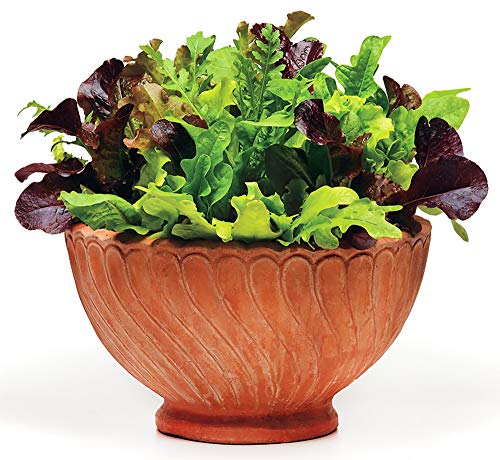
PLEASE READ! THIS IS A MIX!!! Mix of 20 Varieties: Merlot, Quattro Stagioni, Lentissima a Montare, Rouge D'Hiver, May Queen, Rossa Di Treviso Radicchio, Tom Thumb, Little Gem, Red Streaked Mizuna, Red Giant, Oakleaf, Big Boston, Black Seeded Simpson, Red Romaine, Green Salad Bowl, Grand Rapids, Buttercrunch, Danyelle, Winter Density, Batavian Full Heart Endive Lettuce, Palla Rossa
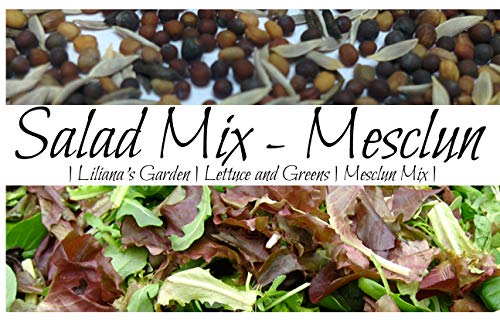
Yields and average of 180 salad leaf plants including varieties of arugula, endive, mustard greens, and more. Yields roughly 32 lbs of mature greens after just a full growing season, 40 days for baby greens.
Leaf Lettuce
Leaf lettuce grows quickly, typically maturing in 30 to 45 days. It thrives in cooler weather, making it ideal for spring and fall planting. Varieties like ‘Buttercrunch’ and ‘Black Seeded Simpson’ are popular choices. Leaf lettuce requires consistent watering and nutrient-rich soil to achieve optimal growth.
Romaine Lettuce
Romaine lettuce takes about 70 to 80 days to reach maturity. It’s characterized by its tall, crunchy leaves and health benefits. Varieties such as ‘Parris Island Cos’ and ‘Little Gem’ excel in warm seasons. Ensure adequate spacing between plants; this helps them grow without competing too much for nutrients.
Butterhead Lettuce
Butterhead lettuce, known for its tender leaves and smooth texture, matures in 55 to 80 days. Varieties like ‘Boston’ and ‘Bibbs’ are favorites among gardeners. Provide plenty of water and nutrients to support their growth. They prefer cooler temperatures and may bolt in excessive heat, so plan your planting accordingly.
How to Optimize Lettuce Growth
Optimizing lettuce growth involves careful attention to watering and fertilization. By implementing effective techniques in these areas, you can enhance the health and yield of your lettuce plants.
Recommended Products
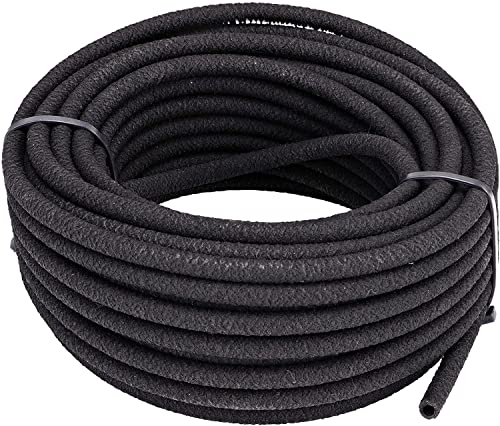
Slowly waters the soil around your plants for complete root zone hydration; Ideal for short runs on flat surfaces, such as vegetable gardens, borders, and around small plants

Higher Cost Performance Provide: enough length soaker hoses to get higher cost performance,and our 1/4 " diameter soaker hose set not only include 100 Ft length soaker hose but also include a rich range of accessories for a variety of uses,help you make custom length soaker hoses cheap & easy.

【Even & Consistent Root Watering】Features micro-pore seepage technology that distributes water evenly along the entire hose, transforming spot watering into uniform line watering directly to plant roots. Unlike traditional drip irrigation systems with clog-prone emitters, this soaker hose creates a continuous moisture band for healthier, deeper-rooted plants
Watering Techniques
Water your lettuce consistently to maintain moisture in the soil. Aim for about 1 to 1.5 inches of water per week, adjusting based on rainfall. Water early in the morning to reduce evaporation and allow leaves to dry, minimizing disease risk. Use drip irrigation or soaker hoses for efficient watering, providing slow, deep moisture directly to the soil. Check soil moisture by inserting a finger about an inch deep; if it feels dry, it’s time to water.
Fertilization Tips
Fertilize your lettuce with a balanced, water-soluble fertilizer for optimal growth. Apply a nitrogen-rich fertilizer, following the instructions on the label, about two weeks after planting. Ensure subsequent applications occur every four to six weeks. Consider using organic options like compost or fish emulsion. Monitor your plants for signs of nutrient deficiency, such as yellowing leaves. Adjust your fertilization routine based on your observations, ensuring your lettuce receives the nutrients it needs for vibrant growth.
Conclusion
Growing lettuce can be a rewarding experience when you know what to expect. By paying attention to the specific needs of your plants and adjusting your care routine accordingly, you can enjoy a bountiful harvest. Remember that each variety has its own timeline and requirements, so staying observant will help you achieve the best results. With the right techniques in place, you’ll be on your way to enjoying fresh, crisp lettuce right from your garden. Happy gardening!
Frequently Asked Questions
What are the stages of lettuce growth?
Lettuce growth progresses through several stages: germination, seedling development, vegetative growth, and maturation. Understanding these stages helps gardeners adapt their care practices to the specific needs of lettuce at each point.
How long does it take for lettuce to grow?
Lettuce growth time varies by variety, typically ranging from 30 to 80 days until harvest. Leafy types mature faster, while head varieties may take longer. Checking specific varieties ensures optimal planning.
What factors affect lettuce growth?
Key factors include temperature, light exposure, water, and soil quality. Lettuce thrives in cool temperatures, enjoys full sun, and requires consistently moist, nutrient-rich soil to grow successfully.
How often should I water lettuce?
Lettuce should be watered consistently, ideally 1-1.5 inches per week. Drip irrigation or soaker hoses help maintain even moisture, preventing stress that can affect growth and yield.
What type of fertilizer is best for lettuce?
A balanced, water-soluble fertilizer is best for lettuce. It provides essential nutrients and promotes healthy growth. Monitor plants for signs of nutrient deficiency to adjust fertilization as needed.
How can I tell if my lettuce needs more water?
Check soil moisture regularly; if the top inch feels dry, it’s time to water. Wilting or brown leaf tips can also indicate that your lettuce is not receiving enough moisture.
Can I grow different lettuce varieties together?
Yes, you can grow different lettuce varieties together. However, be mindful of their specific light, water, and nutrient needs, as some may require more care than others to thrive.
