

Have you ever planted lettuce seeds and wondered when you’d see those tiny sprouts break through the soil? You’re not alone. Many gardeners, whether seasoned pros or beginners, find themselves eagerly checking their garden beds, hoping for a quick turnaround.
Key Takeaways
- Germination Timeline: Lettuce seeds typically germinate within 7 to 14 days, with optimal conditions speeding up the process to 7-10 days.
- Ideal Conditions: Maintaining a soil temperature of 60°F to 70°F and consistent moisture is crucial for faster germination.
- Soil Quality: Using well-draining, organic-rich soil improves germination rates; seed-starting mixes are recommended for best results.
- Light Requirements: While lettuce seeds don’t need light to germinate, providing 12 to 16 hours of light daily after sprouting is essential for healthy growth.
- Varietal Differences: Different lettuce varieties have distinct germination times, with Butterhead germinating faster than Romaine or Iceberg.
- Common Issues: Slow germination can result from inadequate temperature or moisture; fresh seeds and proper watering techniques are vital for success.
Understanding Lettuce Germination
Lettuce germination is an exciting phase for gardeners as they anticipate the first signs of life from their seeds. Understanding this process helps you optimize conditions for speedy growth.
What Is Lettuce Germination?
Lettuce germination refers to the process where seeds absorb water, swell, and eventually sprout. You can expect lettuce seeds to germinate within 7 to 14 days under optimal conditions. Once the seeds gather enough moisture, they break through the seed coat, pushing up tiny green shoots.
Factors Affecting Germination Time
Several factors influence how quickly lettuce seeds germinate. Here are the key elements:
- Temperature: Ideal temperatures range from 65°F to 75°F. Too cold or too hot conditions slow growth.
- Moisture: Consistent moisture is crucial. Keep soil evenly damp but not waterlogged.
- Soil Quality: Well-draining soil rich in organic matter promotes faster germination. Use seed-starting mixes for the best results.
- Seed Quality: Fresh seeds typically sprout better than older ones. Check the packaging date to ensure seed viability.
- Light Exposure: Although lettuce seeds can germinate in darkness, exposure to light after sprouting encourages healthy growth.
By managing these factors, you can watch your lettuce seeds flourish efficiently, bringing that fresh salad closer to your table.
Average Germination Time
Lettuce seeds germinate in a range of 7 to 14 days, depending on certain conditions. Understanding these factors helps ensure successful growth.
How Many Days Lettuce Germinate?
Under ideal conditions, most lettuce seeds germinate within 7 to 10 days. If conditions are less favorable, it may take up to 14 days. You can speed up germination by maintaining a soil temperature between 60°F and 70°F. Consistent moisture and proper soil conditions also contribute to quicker results.
Varieties of Lettuce and Their Germination Times
Different lettuce varieties have varying germination times. Here’s a breakdown of common types:
| Lettuce Variety | Germination Time (Days) |
|---|---|
| Butterhead | 7-10 |
| Romaine | 7-14 |
| Leaf Lettuce | 7-12 |
| Iceberg | 7-14 |
| Looseleaf | 7-10 |
Knowing the specific germination period for each variety helps you plan your planting schedule. For instance, if you prefer Butterhead lettuce for its tender leaves, expect germination closer to 7 days under optimal conditions. Adjust your planting strategy accordingly to enjoy a continuous harvest.
Optimal Conditions for Germination
Lettuce seeds germinate best when specific conditions are met. By understanding and managing these elements, you can enhance your chances of quick and healthy growth.
Recommended Products

✓ Consistent & Uniform Heating: BN-LINK seedling heat mat for seed starting maintains temperatures around 70–85℉, creating ideal conditions for seed starter and cutting propagation, speeding up seed germination and accelerating seedlings growth. The advanced heating film with double insulation layers ensures even heat and prevents scorching roots.

Reliable Results: The VIVOSUN professional heat mat maintains optimal temperatures around 68-86℉ (20-30℃), perfect for Seedling start and cutting propagation; Made from durable PVC material, it's designed to last
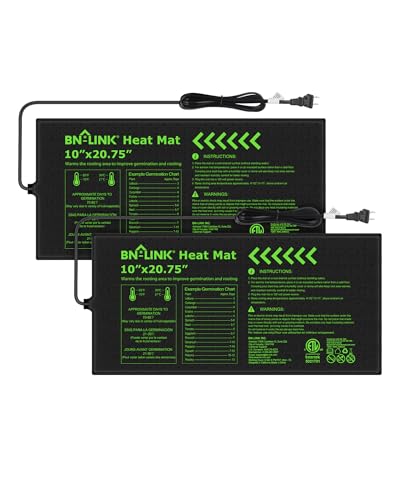
IDEAL GERMINATION TEMPERATURE: The BN-LINK seedling heat mats for seed starting helps maintain temperatures around 70°F to 85°F, the optimal range for seed germination, cutting propagation, and healthy seedling growth. Achieve faster germination and higher growth rates with seed heating mat.
Soil Temperature and Moisture
Maintaining the right soil temperature is crucial for lettuce germination. Aim for temperatures between 60°F and 70°F. At these levels, most lettuce seeds sprout within 7 to 10 days. If temperatures drop below 60°F, germination may slow and can take up to 14 days.
Moisture is equally important. Keep the soil consistently damp, but avoid waterlogging. Water the soil lightly and regularly, ensuring adequate drainage. Over-watering can lead to seed rot, while under-watering can lead to delayed sprouting. Using a spray bottle or a gentle watering can helps maintain the right moisture balance.
Light Requirements
Light plays a key role in germination, albeit indirectly. Lettuce seeds don’t require light to germinate, but providing light after sprouting is essential. Once seedlings emerge, ensure they receive at least 12 to 16 hours of light daily. Use grow lights if you’re starting indoors. Proper lighting promotes healthy growth and prevents seedlings from becoming leggy and weak.
In sum, achieving optimal soil temperature, moisture, and light conditions ensures a higher rate of successful lettuce germination within the desired timeframe.
Common Issues and Solutions
Check for common issues that can affect lettuce germination and learn how to resolve them effectively.
Recommended Products

IDEAL GERMINATION TEMPERATURE: The BN-LINK seedling heat mats for seed starting helps maintain temperatures around 70°F to 85°F, the optimal range for seed germination, cutting propagation, and healthy seedling growth. Achieve faster germination and higher growth rates with seed heating mat.
Slow Germination
Slow germination can stem from inadequate temperature or moisture levels. If the soil temperature falls below 60°F, seeds may take longer to sprout. You can address this by using a germination mat to maintain warmth.
Ensure that soil remains consistently moist, but not waterlogged. If the soil dries out, seeds may stop germinating. To prevent this, water lightly but frequently during dry spells. Additionally, consider using seedling heat mats to boost warmth if your environment is cooler.
Another factor is seed quality. Old or improperly stored seeds often have reduced germination rates. Always use fresh seeds, and store them in a cool, dark place to maintain viability.
Mold and Disease Prevention
Mold can develop in overly moist conditions, particularly in densely sown seeds. If you notice mold forming, reduce watering frequency and improve air circulation around your seedlings. Adjusting the placement of your pots can help with airflow.
Using sterile, well-draining soil is vital for preventing disease. Before planting, mix in perlite or vermiculite to promote drainage. Also, keep tools and planting containers sanitized to minimize the risk of contamination.
If disease does occur, don’t hesitate to remove infected seedlings immediately to protect healthy ones. Consider applying organic fungicides if problems persist. Finally, rotating your crops yearly can break disease cycles and improve overall soil health.
Conclusion
Watching your lettuce seeds sprout is an exciting part of gardening. By understanding the germination process and the factors that influence it, you can create the perfect environment for your seeds to thrive. Remember to keep the soil temperature just right and maintain consistent moisture to encourage quick growth.
Whether you’re growing Butterhead or Romaine lettuce, knowing the specific germination times can help you plan your planting schedule effectively. With a little patience and the right care, you’ll soon be enjoying fresh, homegrown lettuce right from your garden. Happy gardening!
Frequently Asked Questions
How long does it take for lettuce seeds to germinate?
Lettuce seeds typically germinate within 7 to 10 days under ideal conditions. However, it can take up to 14 days if conditions are less favorable.
What factors affect the germination time of lettuce seeds?
Key factors include soil temperature, moisture levels, soil quality, seed quality, and light exposure. Managing these elements can promote faster growth and better germination rates.
What is the optimal soil temperature for lettuce germination?
The ideal soil temperature for lettuce germination is between 60°F and 70°F. Maintaining this range helps to ensure quicker and healthier seed sprouting.
Do lettuce seeds need light to germinate?
No, lettuce seeds do not require light for germination. However, providing adequate light after the seeds have sprouted is essential for healthy seedling growth.
How can I speed up lettuce germination?
To speed up germination, maintain consistent moisture, the right soil temperature (60°F to 70°F), and consider using a germination mat for warmth. Water lightly but frequently for best results.
What should I do about slow germination of lettuce seeds?
If germination is slow, check soil temperature and moisture levels. You can also use a germination mat to maintain warmth and ensure the soil is consistently damp.
How can I prevent mold during lettuce germination?
To prevent mold, reduce watering frequency and improve air circulation. Use sterile, well-draining soil, and remove any infected seedlings promptly to maintain a healthy environment.
