

Have you ever planted lettuce seeds and found yourself anxiously waiting for them to sprout? You’re not alone. Many gardeners wonder how long it takes for those tiny seeds to transform into vibrant greens ready for your salad bowl.
Key Takeaways
- Lettuce seeds typically germinate within 7 to 14 days, influenced by various environmental factors.
- Soil temperature plays a crucial role; optimal germination occurs between 60°F and 75°F.
- Moisture levels should be consistently maintained; too little water can delay sprouting, while waterlogging may hinder growth.
- Different lettuce varieties may have distinct germination times, ranging from 5 to 14 days depending on the type.
- Prepare the soil by ensuring it is rich in organic matter and properly aerated for ideal germination conditions.
- Be aware of potential pests and diseases that can affect germination success, and take preventive measures to protect seedlings.
Understanding Lettuce Germination
Lettuce germination is a straightforward process that gardeners often anticipate with excitement. Knowing how long it takes for lettuce seeds to sprout can help you plan your planting effectively.
The Germination Process
The germination process for lettuce typically takes 7 to 14 days, depending on various conditions. First, you plant the seeds in moist soil at a depth of 1/8 to 1/4 inch. The ideal soil temperature for optimal germination ranges from 60°F to 75°F. As seeds absorb water, they swell and begin to sprout. Small root systems emerge, followed by the first leaves, known as cotyledons, which appear shortly after.
Factors Affecting Germination Time
Several factors can influence how quickly lettuce seeds germinate:
- Soil Temperature: Warmer temperatures promote faster germination. At temperatures above 75°F, germination may occur more quickly.
- Moisture Levels: Adequate moisture is essential. Dry conditions can delay sprouting. Ensure your soil remains consistently damp but not waterlogged.
- Seed Variety: Different lettuce varieties have unique germination times. Some may sprout in 5 days, while others can take up to 14 days.
- Soil Quality: Nutrient-rich, loamy soil supports healthy germination. Poor soil may hinder growth.
Understanding these factors helps you optimize conditions for your lettuce seeds, ensuring a successful planting season.
How Many Days for Lettuce to Germinate?
Lettuce seeds typically germinate within 7 to 14 days. However, this timeframe can vary based on specific conditions.
Recommended Products

USDA Certified Organic by Oregon Tilth

4 Popular Heirloom Lettuce Varieties: Includes Red Romaine, Bibb Butterhead, Black Seeded Simpson, and Green Ice lettuce seeds to grow crisp, tender, and colorful salad greens with balanced flavor, texture, and visual appeal.

COMPLETE HERB GARDEN VARIETY PACK – Grow a flavorful herb garden with 12 essential varieties including Anise, Slow Bolt Basil, Italian Large Leaf Basil, Common Chives, Slow Bolt Cilantro, Cumin, Bouquet Dill, Italian Oregano, Flat Leaf Parsley, Broad Leaf Sage, Summer Savory, and Winter Thyme. Perfect for fresh, aromatic harvests at home.
Varieties of Lettuce
Different lettuce varieties may have unique germination times. Here are a few common varieties and their average germination periods:
- Romaine: Sprouts in 7 to 14 days.
- Iceberg: Germinates within 7 to 10 days.
- Butterhead: Emerges in about 8 to 12 days.
- Leaf Lettuce: Usually germinates in 7 to 10 days.
Choosing the right variety aligns with your garden’s growing season and desired harvest time.
Optimal Conditions for Germination
To optimize lettuce germination, focus on these key conditions:
- Soil Temperature: Maintain soil temperatures between 60°F and 75°F. Cooler temperatures delay germination.
- Moisture: Keep the soil consistently moist but not soggy. Water the soil gently to avoid displacing seeds.
- Soil Depth: Plant seeds at a depth of 1/8 to 1/4 inch. Deeper planting can hinder light access and slow growth.
- Light Exposure: While lettuce seeds can germinate in low light, providing bright, indirect sunlight encourages quicker sprouting.
Adjusting these factors enhances germination success and leads to healthier plants.
Tips for Successful Lettuce Germination
Germinating lettuce seeds doesn’t have to be complicated. Following these guidelines helps ensure a successful outcome.
Recommended Products

Complete Lettuce Garden Starter Kit Indoor – 5 heirloom salad and green seed packets, 8 biodegradable soil disks, 8 plant markers, and 8 starter pots. Romaine, Spinach, Arugula, Kale and Buttercrunch lettuce heirloom seeds are the star of the set!


ALL-IN-ONE SEED STARTING KIT: Includes 36 peat pellets, reusable plastic tray, and humidity dome for a complete indoor seedling starter kit experience
Soil Preparation
Select well-draining soil, rich in organic matter. Consider using a mix containing compost to enrich nutrients. Aim for a soil depth of at least 6 inches to allow roots to develop. Test the soil pH; it should be between 6.0 and 7.0 for optimal growth. Before planting, loosen the soil to improve aeration. Rake the surface to remove large clumps and debris. This prepared bed provides a perfect environment for your seeds.
Watering Techniques
Keep the soil consistently moist but avoid waterlogging. Water gently using a fine spray to prevent displacing seeds. Water every day or every other day, depending on weather conditions. If the top inch of soil feels dry, it’s time to water. Use mulch to retain moisture and regulate soil temperature. During warmer days, check moisture levels frequently to ensure adequate hydration. Adjust your watering schedule based on climate conditions to maintain even moisture.
Common Germination Issues
Germination can face several challenges that hinder the growth of your lettuce seeds. Understanding these common issues can help you troubleshoot effectively.
Recommended Products
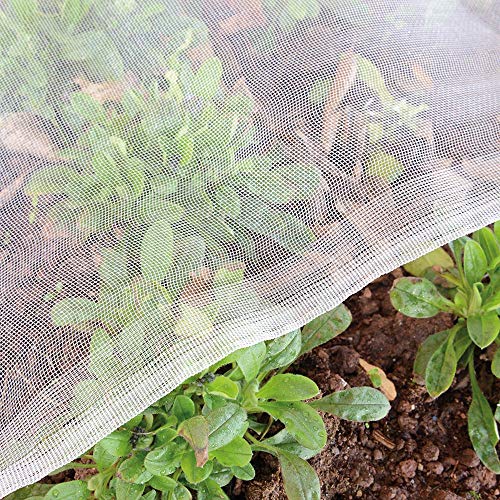
🥬Effective Bug Barrier: Protecting plants and vegetables from a wide range of pest insects and animals, such as cicadas, carrot fly and many species of aphids, you will get a healthier and happier garden

Protection Function: The raised garden bed plant protectors quickly create a closed space that protects the plants from insects, birds and animals, while also allowing sunlight air and moisture to enter, and providing a healthy environment for plant growth.

1. Fortify Your Garden Fortress: Say goodbye to pesky pests and unwanted critters! Our 4'x10' Plant Netting Pest Barrier acts as a sturdy shield, protecting your precious plants from insects, birds, and other garden invaders. It's like having a fortress around your garden beds, ensuring your plants thrive and flourish.
Pests and Diseases
Pests and diseases can disrupt seed germination and early growth. Look for insects like aphids and cutworms that may feed on tender seedlings. Use row covers to prevent pests from reaching your plants. Fungal diseases, such as damping-off, thrive in overly wet conditions. Ensure proper spacing between seedlings and avoid overwatering to reduce humidity around the plants. If you notice signs of disease, remove affected plants promptly to protect healthy ones.
Environmental Stress
Environmental stress plays a significant role in germination success. Extreme temperatures, whether too hot or too cold, can delay or inhibit sprouting. Maintain soil temperatures between 60°F and 75°F to maximize germination rates. Consistent moisture is crucial; too much or too little can stress seeds. Always check soil moisture before watering. High winds and excessive sunlight can also stress young seedlings. Use shade cloth to protect from harsh sunlight and provide windbreaks to shield your plants.
Conclusion
Watching your lettuce seeds sprout is an exciting part of gardening. With a little patience and the right conditions you can enjoy fresh greens in no time. Remember to keep an eye on soil temperature moisture levels and provide the right depth for planting.
By choosing the right variety and optimizing your planting conditions you’ll set yourself up for success. So get ready to enjoy the fruits of your labor as those little seedlings start to emerge. Happy gardening!
Frequently Asked Questions
How long does it take for lettuce seeds to germinate?
Lettuce seeds typically germinate within 7 to 14 days, depending on conditions like temperature and moisture. Factors such as seed variety can also affect germination times.
What is the ideal soil temperature for germinating lettuce seeds?
The ideal soil temperature for germinating lettuce seeds is between 60°F and 75°F. Maintaining this temperature range promotes successful seed sprouting.
How deep should I plant lettuce seeds?
Plant lettuce seeds at a depth of 1/8 to 1/4 inch in moist soil. This depth helps ensure proper coverage for germination while allowing easy sprouting.
What are the best conditions for lettuce germination?
Key conditions for successful lettuce germination include moist soil, proper planting depth, temperatures between 60°F and 75°F, and bright but indirect sunlight.
How does soil quality affect lettuce germination?
Soil quality is crucial for lettuce germination. Using well-draining soil rich in organic matter helps optimize moisture retention and provides essential nutrients for seedlings.
What should I do about pests affecting lettuce seeds?
To mitigate pests like aphids, consider using row covers and ensuring proper spacing between plants. These methods help protect seedlings from damage during germination.
How can I improve moisture retention for lettuce seeds?
Mulching is effective for retaining soil moisture and regulating temperature. Apply a layer of organic mulch to protect the soil and retain beneficial moisture.
What common issues might prevent lettuce seeds from germinating?
Common issues include extreme temperatures, inconsistent moisture, pests, and diseases. Addressing these factors can help ensure a successful germination process for your lettuce seeds.
