

Have you ever wondered how long it takes for lettuce seeds to sprout? If you’ve tried growing your own greens, you know the anticipation that comes with waiting for those little seeds to break through the soil. It can be frustrating when you’re eager to enjoy fresh salads but aren’t sure what to expect.
Key Takeaways
- Germination Timeline: Lettuce seeds generally germinate in 7 to 14 days, influenced by various factors including type and environmental conditions.
- Optimal Conditions: Ideal soil temperature for germination is between 65°F to 70°F, with consistent moisture and good quality soil being essential.
- Seed Variety Matters: Different lettuce types have distinct germination times; Leaf Lettuce takes 7-10 days, while Romaine and Iceberg typically require 10-14 days.
- Germination Success Tips: Use fresh seeds, maintain moisture, and avoid fertilizers initially to improve germination success.
- Common Challenges: Be aware of pests like aphids and environmental factors that can hinder germination, and take preventive measures to ensure healthy growth.
- Proper Light Management: After germination, ensure seedlings receive 12 to 16 hours of light daily for optimal growth.
Understanding Lettuce Seed Germination
Lettuce seeds typically germinate within 7 to 14 days. Various factors can affect this timeline, influencing how quickly you can enjoy your fresh greens.
Recommended Products

✓ Consistent & Uniform Heating: BN-LINK seedling heat mat for seed starting maintains temperatures around 70–85℉, creating ideal conditions for seed starter and cutting propagation, speeding up seed germination and accelerating seedlings growth. The advanced heating film with double insulation layers ensures even heat and prevents scorching roots.
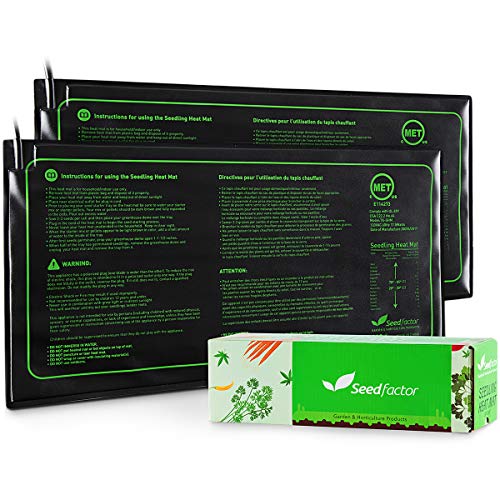
MET safety certified;Comply with UL 499;CSA C22.2 No.64

Reliable Results: The VIVOSUN professional heat mat maintains optimal temperatures around 68-86℉ (20-30℃), perfect for Seedling start and cutting propagation; Made from durable PVC material, it's designed to last
Factors Influencing Germination Time
- Seed Variety
Different lettuce varieties, such as Romaine and Butterhead, have unique germination timelines. Some may sprout faster than others. - Temperature
Optimal soil temperature for lettuce germination ranges from 65°F to 70°F. Cooler or warmer conditions can delay sprouting. - Soil Moisture
Consistent moisture levels are crucial. Seeds need damp soil but not soggy conditions, as excess water can lead to rot. - Light Exposure
Lettuce seeds require light to germinate; consider covering them lightly with soil. Ensure they receive enough light once they sprout. - Seed Age
Older seeds may take longer to germinate or have lower germination rates. Fresh seeds typically yield the best results.
- Soil Quality
Use well-draining soil rich in organic matter. A seed-starting mix works well for lettuce, promoting a healthy start. - Watering Technique
Mist the soil surface regularly to maintain moisture without over-saturating it. A gentle spray keeps the soil evenly damp. - Temperature Control
If temperatures drop, consider using a seedling heat mat to maintain a consistent environment. This approach can speed up germination. - Light Management
Provide at least 12 to 16 hours of light daily after sprouting. A grow light works well for indoor setups. - Timing
Plant seeds in early spring or fall for optimal growth. Observing seasonal changes can enhance your success with lettuce seedlings.
Typical Germination Timeline
Lettuce seeds germinate within a specific timeframe, which varies depending on factors like seed type and growing conditions. Understanding this timeline helps set your expectations while waiting for those first green sprouts.
Average Days for Lettuce Seeds to Germinate
Lettuce seeds typically take 7 to 14 days to germinate. Most varieties fall within this range, sprouting quickly under optimal conditions. For example, if you plant your seeds in well-draining soil with consistent moisture and a temperature between 60°F and 70°F, you can expect speedy results.
Variations Among Different Lettuce Types
Different types of lettuce exhibit distinct germination times.
- Leaf Lettuce: Germinates in about 7 to 10 days, allowing faster harvests.
- Butterhead Lettuce: Takes around 8 to 12 days, offering tender leaves.
- Romaine Lettuce: Generally requires 10 to 14 days, ideal for Caesar salads.
- Iceberg Lettuce: Needs about 10 to 14 days, with a crisp canopy.
Tips for Successful Germination
Germinating lettuce seeds can be straightforward with the right methods and conditions. Follow these tips for the best results.
Seed Preparation Methods
- Choose Fresh Seeds: Select seeds from reputable suppliers. Fresh seeds offer better germination rates.
- Pre-soak Seeds: Soaking seeds in water for 2 to 4 hours can jumpstart the germination process. This softens the seed coat and encourages sprouting.
- Cold Stratify: For specific varieties, such as some specialty lettuces, a cold stratification period of 1 to 2 weeks in cold, moist conditions can improve germination rates.
- Handle Seeds Gently: Avoid crushing or damaging seeds when preparing. Handle them with care to maintain their viability.
- Use Quality Soil: Choose well-draining potting mix or seed starting soil. This prevents waterlogged conditions that can harm seeds.
- Maintain Moisture: Keep soil consistently moist but not soggy. Use a spray bottle or gentle watering can for even distribution.
- Avoid Fertilizers Initially: High levels of nutrients can hinder germination. Wait until seedlings develop at least two leaves before fertilizing.
- Cover Seeds Lightly: Plant seeds at a depth of 1/4 inch, and cover them lightly with soil. This provides enough soil contact for moisture and warmth.
Following these tips ensures your lettuce seeds germinate more effectively, setting you on the path to a delicious harvest.
Common Challenges During Germination
Germinating lettuce seeds can come with several challenges that affect their success. Understanding these challenges helps improve your chances of a thriving crop.
Recommended Products

ONE-PIECE DESIGN — BUILT FOR GARDENING, NOT SHIPPING, Unlike multi-piece rings, our solid one-piece design won’t leak, shift, or require assembly. The continuous circular wall keeps water contained and delivers it directly to the root zone for better plant performance.
ONE-PIECE DESIGN — BUILT FOR GARDENING, NOT SHIPPING, Unlike multi-piece rings, our solid one-piece design won’t leak, shift, or require assembly. The continuous circular wall keeps water contained and delivers it directly to the root zone for better plant performance.

ONE-PIECE DESIGN — BUILT FOR GARDENING, NOT SHIPPING, Unlike multi-piece rings, our solid one-piece design won’t leak, shift, or require assembly. The continuous circular wall keeps water contained and delivers it directly to the root zone for better plant performance.
Pests and Diseases
Pests and diseases often disrupt lettuce seed germination. Common pests include:
- Aphids: These small insects can sap nutrients from seedlings, weakening them.
- Fungus gnats: The larvae may feed on seeds and roots.
- Seed rot: Caused by pathogens, this affects seeds before they sprout.
To combat these issues, regularly inspect your seedlings. Implement preventive measures like using organic insecticides, ensuring good air circulation, and maintaining soil cleanliness. If you notice pests, act swiftly to minimize damage.
Environmental Factors
Environmental factors significantly impact germination rates. Key factors include:
- Temperature: Ideal soil temperature ranges from 60°F to 75°F. Extreme temperatures can slow germination.
- Soil moisture: Consistent moisture is crucial; however, over-saturation leads to mold and seed rot.
- Light exposure: While lettuce seeds require darkness to germinate, once they sprout, they need adequate light to grow strong.
To manage these factors, monitor soil temperature with a thermometer, use moisture meters to check dampness, and position your seed trays in a well-lit area after they sprout. Adjust conditions based on your observations to create the best environment for your lettuce seeds.
Conclusion
Waiting for your lettuce seeds to germinate can feel like an eternity but knowing what to expect can make it easier. With the right conditions and a little patience you’ll soon see those tiny sprouts breaking through the soil.
Remember to keep an eye on moisture and light while managing any potential pests. By following the tips shared you’re setting yourself up for a successful harvest. Soon enough you’ll be enjoying fresh salads right from your garden. Happy planting and enjoy the journey to your delicious greens!
Frequently Asked Questions
How long does it take for lettuce seeds to sprout?
Lettuce seeds typically germinate within 7 to 14 days. This timeline can vary based on the specific seed variety, environmental factors like temperature and moisture, and proper care during the germination process.
What factors influence lettuce seed germination?
Key factors include seed variety, temperature, soil moisture, light exposure, seed age, and soil quality. Proper watering techniques and light management are also crucial for successful sprouting.
What are the germination timelines for different lettuce varieties?
Leaf lettuce usually sprouts in 7 to 10 days, butterhead lettuce in about 8 to 12 days, romaine lettuce in 10 to 14 days, and iceberg lettuce also takes around 10 to 14 days.
When is the best time to plant lettuce seeds?
For optimal growth, it’s best to plant lettuce seeds in early spring or fall. These seasons provide the ideal conditions for successful germination and growth.
What tips can help improve lettuce seed germination?
To enhance germination, use fresh seeds, pre-soak them for 2 to 4 hours, and consider cold stratifying certain varieties. Ensure well-draining soil, maintain consistent moisture, and avoid fertilizers until seedlings have two leaves.
How can pests and diseases affect lettuce germination?
Pests like aphids and fungus gnats can reduce germination success. Regular inspections and preventive measures are essential to address these challenges and maintain healthy seedlings.
What should I monitor after lettuce seeds sprout?
After germination, monitor soil temperature, moisture levels, and light exposure. Providing adequate light and maintaining proper moisture are crucial for the healthy growth of seedlings.
