

Have you ever planted lettuce seeds and found yourself anxiously waiting for those little sprouts to appear? You’re not alone. Many gardeners share that mix of excitement and impatience as they watch their seeds, hoping for a quick green reward.
Key Takeaways
- Lettuce Seed Types: Understand the three main types of lettuce seeds—Butterhead, Crisphead, and Looseleaf—to choose what best suits your garden.
- Germination Timeline: Lettuce seeds typically sprout within 7 to 14 days, influenced by seed variety and environmental conditions.
- Optimal Conditions: Maintain soil temperatures between 60°F and 70°F, keep soil consistently moist, and provide at least 12 hours of light daily for best growth.
- Soil Preparation: Use a fine-textured, well-draining seed-starting mix with appropriate pH levels for strong seed germination.
- Common Challenges: Monitor for pests, diseases, and environmental factors such as temperature fluctuations and moisture levels to ensure healthy sprouting.
- Consistent Care: Regularly check moisture levels and adjust your watering schedule as seeds germinate to promote robust seedling growth.
Understanding Lettuce Seeds
Lettuce seeds play a crucial role in your gardening journey. Knowing the types of seeds and the conditions for germination helps you cultivate a thriving crop.
Types of Lettuce Seeds
You’ll find three main types of lettuce seeds:
- Butterhead Seeds: These seeds grow soft, tender leaves. Varieties include Buttercrunch and Boston, both known for their sweet flavor.
- Crisphead Seeds: Crisphead varieties, like Iceberg, form tightly packed heads. They’re popular for their crunch in salads.
- Looseleaf Seeds: Looseleaf lettuce, such as Red Romaine and Green Leaf, offers a continuous harvest. You can pick outer leaves while the inner leaves continue to grow.
Choose the type that suits your tastes and growing conditions.
Factors Affecting Germination
Several factors influence how long it takes for lettuce seeds to sprout:
- Temperature: Optimal soil temperature ranges from 60°F to 70°F. Germination slows in cooler or extremely warm conditions.
- Moisture: Keep the soil consistently moist but not soggy. Too much water can lead to rot, while too little prevents seeds from absorbing moisture.
- Soil Type: Well-draining soil, rich in organic matter, leads to healthier sprouts. Consider using a seed-starting mix for best results.
- Light: While lettuce seeds don’t require light to germinate, providing adequate light after sprouting promotes healthy growth. Use grow lights if natural sunlight is limited.
Understanding these factors leads to successful germination and a bountiful harvest.
Germination Timeline
Lettuce seeds sprout relatively quickly, making them a favorite for many gardeners. Knowing the exact timeline helps you track your progress and manage expectations.
Recommended Products

"Mesclun" comes from the Provençal French word meaning "mixture" — this style of mixed salad greens originated in the Nice region of France and became a staple of fine restaurants worldwide before becoming a home garden favorite.

NUTRIENT-RICH, NATURAL, AND ORGANIC SOIL: Grow a bountiful garden in your home with the Back to the Roots All-Purpose Natural and Organic Peat-Free 3-in-1 Seed Starting Mix, packed with the nutrients needed for your plants, flowers, and vegetables to thrive

CONTAINS: This organic Seed Stating soil mix is a rich blend of sphagnum peat moss & perlite with yucca extract and lime to ensure correct pH.
Average Time for Sprouting
Lettuce seeds typically sprout within 7 to 14 days. Factors such as seed variety and environmental conditions can influence this time. For instance, Butterhead may take slightly longer than Looseleaf due to its growth characteristics.
Conditions for Optimal Growth
To encourage quick sprouting, maintain soil temperature between 60°F and 70°F. Keep the soil consistently moist but not soggy. Use a fine-textured seed-starting mix, which retains moisture effectively. Place the seeds in a well-lit area or under grow lights for at least 12 hours a day. These conditions boost the germination rate and ensure healthy seedlings.
Tips for Successful Germination
Successful germination of lettuce seeds hinges on specific techniques and conditions. Follow these guidelines to enhance your outcomes.
Recommended Products
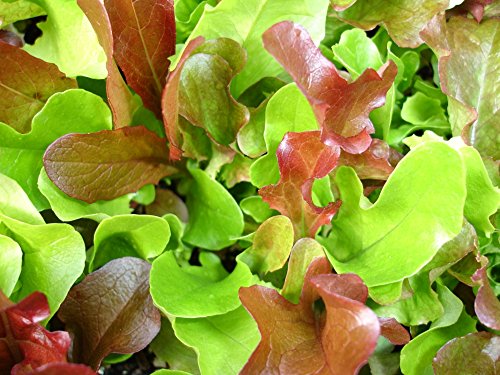
This is the real Mesclun salad mix: arugula, cicoria, enddive, red cabbage and various varieties of red and green lettuce. Harvest early for the best taste and look for re-growth. Best in cold weather (55-60 degrees). 28-35 days $1.69 Flat rate shipping: mix and match varieties, no limit

Healthy Food Source: Because of its tender flavor, lettuce is a popular vegetable for salad, sandwiches, wraps, soups, stir-fries and juice. There are over 20,000 seeds, 10 kinds of lettuce collection, including bibb, boston, iceberg, buttercrunch, grand rapids TBR, oakleaf, ruby leaf, cimmaron romaine and waldmann's

Yields and average of 180 salad leaf plants including varieties of arugula, endive, mustard greens, and more. Yields roughly 32 lbs of mature greens after just a full growing season, 40 days for baby greens.
Preparing Your Soil
- Choose the Right Mix: Use a fine-textured seed-starting mix that provides excellent drainage and air circulation.
- Soil Temperature: Ensure the soil temperature stays between 60°F and 70°F for optimal seed germination. You can use a soil thermometer to check.
- pH Levels: Opt for soil with a pH between 6.0 and 7.0. Adjust with lime to increase pH or sulfur to decrease pH if needed.
- Even Distribution: Gently spread seeds evenly over the soil surface and lightly press them into the soil without burying them too deep.
- Consistent Moisture: Keep the soil consistently moist but not waterlogged. Use a spray bottle for fine misting.
- Watering Schedule: Check soil moisture daily. As seeds germinate, reduce watering frequency to avoid overwatering.
- Provide Light: Position your seedlings under grow lights or in a sunny window for at least 12 hours per day to encourage healthy growth.
- Indirect Sunlight: If using natural sunlight, ensure exposure is indirect, preventing the soil from drying out too quickly.
By adhering to these tips, you can create ideal conditions for your lettuce seeds, increasing the likelihood of a successful germination and thriving plants.
Common Issues and Solutions
Lettuce seeds may face several challenges during the germination process. Identifying and addressing these issues can lead to better sprouting and more robust plants.
Recommended Products

ONE-PIECE DESIGN — BUILT FOR GARDENING, NOT SHIPPING, Unlike multi-piece rings, our solid one-piece design won’t leak, shift, or require assembly. The continuous circular wall keeps water contained and delivers it directly to the root zone for better plant performance.

ONE-PIECE DESIGN — BUILT FOR GARDENING, NOT SHIPPING, Unlike multi-piece rings, our solid one-piece design won’t leak, shift, or require assembly. The continuous circular wall keeps water contained and delivers it directly to the root zone for better plant performance.
ONE-PIECE DESIGN — BUILT FOR GARDENING, NOT SHIPPING, Unlike multi-piece rings, our solid one-piece design won’t leak, shift, or require assembly. The continuous circular wall keeps water contained and delivers it directly to the root zone for better plant performance.
Pests and Diseases
Pests and diseases can hinder the germination of your lettuce seeds. Common pests include aphids and slugs, which can damage seedlings. Monitor for signs of infestation, such as visible insects or drooping leaves. If you notice pests, try using insecticidal soap or neem oil as a natural remedy.
Diseases like damping-off can also affect young seedlings, often caused by overly moist conditions. Ensure proper drainage by using a well-aerated seed-starting mix. If damping-off occurs, avoid overwatering and increase air circulation around your seedlings. You can also use a fungicide to treat affected areas.
Environmental Challenges
Environmental factors play a significant role in lettuce seed germination. Temperature fluctuations can delay sprouting. Keep soil temperatures between 60°F and 70°F for optimal results. Invest in a soil thermometer to monitor conditions and use row covers to maintain warmth.
Moisture levels also affect seed germination. Soil should stay consistently moist, not soggy. If you’re struggling with moisture control, consider using a spray bottle for gentle watering. Additionally, strong winds or extreme sunlight can dry out seedlings quickly. Shield your young plants with cloth or move them to a less exposed location during adverse weather.
By anticipating and addressing these common issues, you can create a conducive environment for your lettuce seeds to sprout, paving the way for a thriving garden.
Conclusion
Watching your lettuce seeds sprout is one of the most rewarding parts of gardening. By understanding the types of lettuce and the conditions they thrive in you can set yourself up for success. Remember to keep the soil moist and maintain the right temperature to encourage those little seeds to come to life.
Stay patient and enjoy the process. Each day brings you closer to your delicious homegrown greens. With a little care and attention you’ll soon be rewarded with vibrant seedlings ready for your garden. Happy gardening and here’s to a bountiful harvest!
Frequently Asked Questions
What types of lettuce seeds are there?
Lettuce seeds come in three main types: Butterhead, Crisphead, and Looseleaf. Butterhead offers a soft texture and sweet flavor, while Crisphead provides a crunchy bite. Looseleaf is great for continuous harvesting, as leaves can be picked without damaging the plant. Understanding these varieties can help you choose the right one for your garden.
How long does it take for lettuce seeds to germinate?
Lettuce seeds typically germinate within 7 to 14 days, depending on the variety and environmental conditions. Butterhead seeds may take slightly longer than Looseleaf. Maintaining optimal conditions can speed up the germination process, ensuring healthy seedlings.
What factors affect the germination of lettuce seeds?
Key factors affecting germination include temperature, moisture, soil type, and light. Ideal soil temperatures range from 60°F to 70°F, while consistent moisture (without sogginess) and at least 12 hours of light daily are crucial for encouraging sprouting and healthy growth.
How can I improve germination rates for my lettuce seeds?
To improve germination rates, use a fine-textured seed-starting mix for good drainage and air circulation, maintain soil temperatures between 60°F and 70°F, and ensure a pH level between 6.0 and 7.0. Keep the soil consistently moist and provide sufficient light for your seeds.
What common issues can hinder lettuce seed germination?
Common issues include pests like aphids and slugs, diseases like damping-off from excess moisture, and environmental factors like temperature fluctuations. To mitigate these problems, monitor conditions regularly, ensure proper drainage, and use natural pest control methods as necessary.
How should I prepare the soil for planting lettuce seeds?
Prepare the soil by using a fine-textured seed-starting mix for excellent drainage and air circulation. Ensure the pH level is between 6.0 and 7.0, evenly distribute the seeds, and keep the soil consistently moist but not soggy. This preparation enhances the chances of successful germination.
