

Have you ever wondered how long it takes to enjoy fresh lettuce right from your garden? If you’ve tried growing your own greens, you know the excitement of watching those tiny seeds sprout into vibrant plants. But timing can be tricky, and knowing when to harvest is key to getting the best flavor.
Key Takeaways
- Lettuce Varieties and Growth Times: Different types of lettuce (Leaf, Romaine, and Head) have varying growth periods, with Leaf Lettuce being the quickest to harvest in 30 to 45 days, while Romaine and Head Lettuce take 60 to 89 days.
- Key Conditions for Germination: Successful germination requires maintaining temperatures between 60°F and 70°F, consistent moisture, and indirect light, with most seeds sprouting within 7 to 14 days.
- Growth Stages to Monitor: Lettuce progresses through distinct growth stages—seedling, vegetative, and maturity—each necessitating different care for optimum flavor and size.
- Harvest Techniques: Use sharp scissors or a knife for harvesting, monitor leaf size and color, and aim to harvest in the cooler morning hours for the best quality leaves.
- Best Practices for Harvesting: Regular checks on plant growth, understanding the specific maturity timeline for each variety, and proper storage techniques help maintain the freshness of harvested lettuce.
- Environmental Factors: Optimal growing conditions, including soil quality, moisture levels, and light exposure, play a crucial role in successfully timing your lettuce harvest.
Understanding Lettuce Varieties
Lettuce comes in several varieties, each with unique characteristics and growth times. Knowing the differences helps you choose the best type for your garden and your taste preferences.
Leaf Lettuce
Leaf lettuce grows quickly with tender, loose leaves. Varieties include Butterhead, Looseleaf, and Oakleaf. You can expect to harvest it about 30 to 45 days after sowing seeds. Regularly picking outer leaves encourages the plant to produce more. This variety is great for salads due to its soft texture and mild flavor.
Head Lettuce
Head lettuce forms tight, compact heads. Common types are Iceberg and Butterhead. Typically, it takes about 65 to 80 days from seed to harvest. Harvesting occurs when the heads feel firm to the touch. These varieties add crunch to salads and sandwiches, making them a popular choice.
Romaine Lettuce
Romaine lettuce features tall, sturdy leaves and a crisp texture. It usually requires 60 to 75 days to reach maturity. You can harvest it by cutting the entire plant at the base or picking individual leaves as needed. This variety is a staple in Caesar salads, offering both flavor and structure.
The Seed Germination Process
Germination is a crucial step in growing lettuce from seed. Understanding this process helps you cultivate healthy plants.
Recommended Products

IDEAL GERMINATION TEMPERATURE: The BN-LINK seedling heat mats for seed starting helps maintain temperatures around 70°F to 85°F, the optimal range for seed germination, cutting propagation, and healthy seedling growth. Achieve faster germination and higher growth rates with seed heating mat.
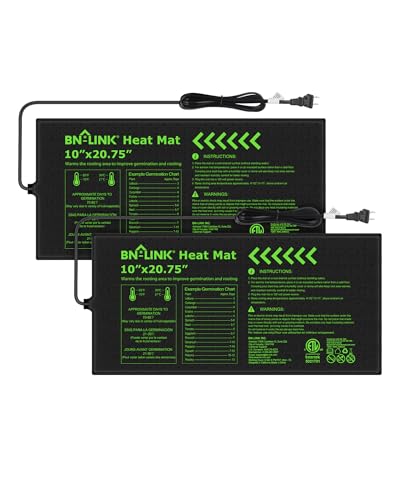
IDEAL GERMINATION TEMPERATURE: The BN-LINK seedling heat mats for seed starting helps maintain temperatures around 70°F to 85°F, the optimal range for seed germination, cutting propagation, and healthy seedling growth. Achieve faster germination and higher growth rates with seed heating mat.

Reliable Results: The VIVOSUN professional heat mat maintains optimal temperatures around 68-86℉ (20-30℃), perfect for Seedling start and cutting propagation; Made from durable PVC material, it's designed to last
Ideal Conditions for Germination
Lettuce seeds thrive in specific conditions.
- Temperature: Keep soil temperatures between 60°F and 70°F. This range promotes optimal sprouting.
- Moisture: Maintain consistent moisture on the soil surface. Overwatering can lead to rot, while under-watering can halt germination.
- Light: Use indirect light. Lettuce seeds germinate well with minimal light but require exposure once they sprout.
Timeframe for Germination
The timeframe for germination varies based on conditions and varieties.
- General Timeline: Most lettuce seeds germinate within 7 to 14 days. Quick types, like Leaf Lettuce, can sprout in as little as 5 days under optimal conditions.
- Varietal Differences: Head Lettuce may take slightly longer, up to 10 to 14 days, while Romaine often falls within the 7 to 10-day window.
Keeping these factors in mind enhances your success in growing lettuce and ensures a fruitful harvest.
Growth Stages of Lettuce
Lettuce progresses through several growth stages, each essential for developing crisp and tasty leaves. Understanding these stages helps ensure a successful harvest.
Recommended Products

Precise Planting Measurement: The foldable plant ruler is designed to provide precise measurements for seed spacing, ensuring optimal growth for a variety of vegetables including carrots, tomatoes, peas, potatoes, and cabbage.

PRECISION SEED SPACING TOOL The Plant Ruler helps gardeners create evenly spaced planting rows for seeds and seedlings, supporting healthier root development and organized vegetable gardens.

BUILT TO LAST A LIFETIME WITH FULL STAINLESS STEEL: Crafted from a single piece of high-quality, rust-resistant stainless steel. Unlike tools with weak wooden handles, the Gardmate hand dibber is built for a lifetime of use, bending and wear in all weather conditions.
Seedling Stage
During the seedling stage, seedlings emerge from the soil. This stage occurs about 7 to 14 days after planting, depending on the variety. Ensure seedlings receive indirect light for 12 to 16 hours daily. Maintain moisture in the soil without waterlogging. Thin seedlings when they’re around 2 inches tall, allowing for better air circulation and access to nutrients.
Vegetative Stage
The vegetative stage follows, typically lasting 3 to 6 weeks. Lettuce expands rapidly, and you’ll see noticeable growth. Maintain soil moisture, as dry conditions can stress plants. Fertilize every 2 to 3 weeks with a balanced fertilizer to support leaf development. Monitor for pests and diseases, checking regularly for any signs of trouble.
Maturity Stage
Maturity stage occurs around 6 to 12 weeks after planting, depending on the variety and growing conditions. Look for leaves reaching a desirable size and texture. Harvest before maturity to enjoy sweeter, tender leaves. If lettuce develops a flower stalk, it’s past the peak quality. Use sharp scissors or shears to cut the leaves, ensuring you don’t damage neighboring plants. Harvest early in the morning for optimal flavor.
By observing these stages, you maximize your chances of a bountiful lettuce harvest.
How Long to Harvest Lettuce from Seed
Harvesting lettuce from seed takes a specific amount of time depending on the variety and environmental conditions. Understanding these factors helps you enjoy the freshest greens.
Factors Affecting Harvest Time
Several key factors influence how long it takes to harvest lettuce:
- Variety Selection: Different varieties have unique growing periods. Leaf Lettuce grows faster than Romaine and Head Lettuce.
- Temperature: Ideal growing temperatures range from 60°F to 70°F. Extremes in heat or cold can slow growth.
- Soil Quality: Nutrient-rich soil promotes quicker growth. Conduct a soil test to ensure balanced nutrients.
- Moisture Levels: Consistent moisture supports healthy growth. Water deeply, but avoid overwatering, which can lead to root rot.
- Light Conditions: Lettuce thrives in indirect sunlight. Excessive direct light can cause bolting, while insufficient light slows growth.
General Timeline for Different Varieties
Lettuce varieties have distinct timelines from planting to harvest:
| Lettuce Variety | Germination Time | Time to Maturity | Total Time to Harvest |
|---|---|---|---|
| Leaf Lettuce | 5 to 10 days | 30 to 45 days | 35 to 55 days |
| Romaine Lettuce | 10 to 14 days | 60 to 75 days | 70 to 89 days |
| Head Lettuce | 10 to 14 days | 50 to 75 days | 60 to 89 days |
You can begin to harvest Leaf Lettuce in just over a month, while Romaine and Head Lettuce may take between two to three months. Keep an eye on your plants, and when they reach the desired size, you can pick them for your salads. Regular checks on growth will help you anticipate the right time for cutting.
Best Practices for Harvesting Lettuce
Harvesting lettuce at the right time and with the right techniques ensures optimal flavor and helps maintain your plants for future harvests.
Recommended Products
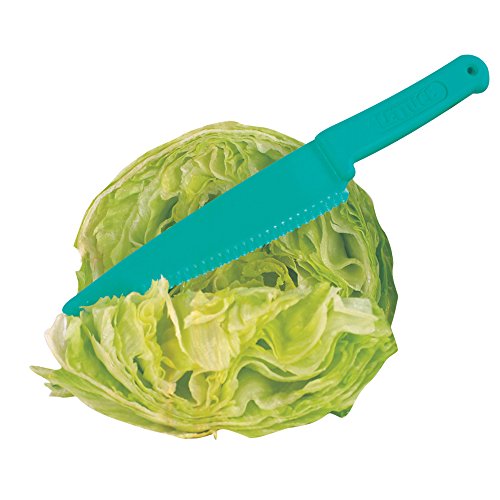
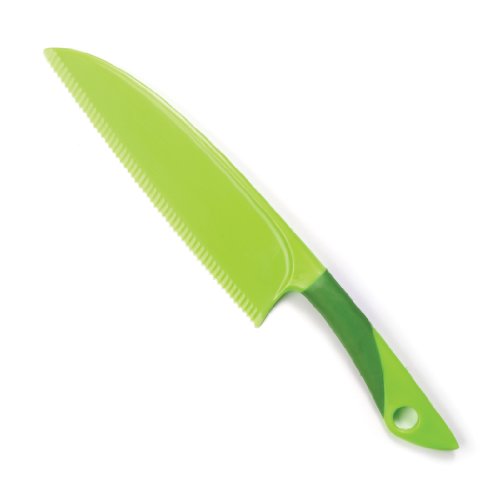
DURABLE DESIGN: Constructed from long-lasting and heat-resistant polystyrene plastic.

PREVENTS LETTUCE & SALAD BROWNING: Durable polystyrene plastic blade cuts cleanly through delicate greens, romaine, and cabbage without oxidizing cut edges, keeping tossed salads fresher and crisper longer.
Tools and Techniques
- Sharp Knife or Scissors: Use a clean, sharp knife or scissors for a clean cut. This minimizes damage to the plant and can prevent disease.
- Garden Gloves: Wearing gloves protects your hands and helps maintain hygiene while handling the greens.
- Harvesting Basket: Use a basket to collect your cut leaves. This keeps them intact and fresh during transport.
- Containers: Store your harvested lettuce in open containers in the refrigerator. This prolongs freshness and prevents wilting.
- Monitor Leaf Size: Harvest Leaf Lettuce when the leaves measure about 4 to 6 inches long for the best taste. For Romaine and Head Lettuce, wait until heads are firm and fully developed.
- Observe Leaf Color: Bright, vibrant leaves indicate readiness for harvest. Faded or yellowing leaves often signal over-maturity or decline in flavor.
- Consider Weather Conditions: Harvest in the early morning when temperatures are cooler. This helps preserve moisture and tenderness.
- Stage of Maturity: Leaf Lettuce can be harvested 35 to 55 days after planting, while Romaine and Head Lettuce typically require 60 to 89 days. Regularly check plants to catch the optimal harvest window.
By following these best practices, you can enjoy fresh, flavorful lettuce right from your garden.
Conclusion
Growing lettuce from seed can be a rewarding experience that brings fresh flavors right to your table. By understanding the unique needs of each variety and keeping an eye on their growth stages you can ensure a successful harvest. Remember to check your plants regularly and harvest at the right time for the best taste. With a little patience and care you’ll be enjoying crisp lettuce in no time. Happy gardening and enjoy your delicious homegrown greens!
Frequently Asked Questions
What are the key lettuce varieties to grow in a home garden?
Leaf Lettuce, Head Lettuce, and Romaine Lettuce are the main types. Leaf Lettuce grows quickly and is great for salads. Head Lettuce is compact and crunchy, while Romaine has sturdy leaves, perfect for Caesar salads. Knowing these varieties helps gardeners select based on their preferences and needs.
How long does it take for lettuce seeds to germinate?
Lettuce seeds generally germinate in 7 to 14 days, depending on the variety. Leaf Lettuce can sprout in as little as 5 days, while Head Lettuce may take 10 to 14 days. Ideal conditions include soil temperatures between 60°F and 70°F, consistent moisture, and indirect light.
What factors affect the growth stages of lettuce?
The growth stages of lettuce are influenced by seedling care, light exposure, soil quality, moisture levels, and fertilization. Seedlings should receive indirect light, while regular fertilization is necessary during the vegetative stage. Monitoring these conditions helps ensure healthy growth for optimal flavor.
When is the best time to harvest lettuce?
Harvesting time varies by variety. Leaf Lettuce can be harvested in about 35 to 55 days, Romaine Lettuce in 70 to 89 days, and Head Lettuce in 60 to 89 days. It’s best to check for optimal leaf size and color, ensuring the freshest greens.
What are the best practices for harvesting lettuce?
For optimal harvesting, use a sharp knife or scissors for clean cuts, wear garden gloves for hygiene, and use a basket to keep the leaves intact. Monitor leaf size and color, and consider weather conditions to ensure the best flavor when harvesting.
