

Have you ever thought about growing your own lettuce indoors but weren’t sure how long it would take? You’re not alone. Many people want fresh greens at their fingertips but often feel overwhelmed by the process.
Key Takeaways
- Growth Stages: Lettuce grows through key stages: seed germination (7-14 days), seedling development (2-4 weeks), and maturity (30-70 days depending on variety).
- Optimal Conditions: Maintain ideal conditions with temperatures between 60°F to 70°F, 12-16 hours of light daily, and humidity levels of 40-70% for healthy growth.
- Soil and Nutrients: Use well-draining, nutrient-rich potting mix, keeping the soil’s pH between 6.0 and 7.0. Regular fertilization every 2-4 weeks supports optimal growth.
- Watering Techniques: Consistently moisture-regulated soil is critical; check moisture regularly and utilize drip irrigation to avoid overwatering.
- Pest & Disease Management: Regular inspections, sticky traps, and organic insecticides can help control pests. Ensure good airflow and proper watering practices to prevent disease.
Understanding Lettuce Growth Stages
Growing lettuce indoors involves several key stages. Each stage plays a crucial role in the overall growth process.
Seed Germination
Seeds germinate within 7 to 14 days under ideal conditions. Maintain a consistent temperature of 60°F to 70°F. Keep the soil moist but not soggy. Light isn’t necessary until germination occurs, so placing the seeds in a dark area works well initially. After germination, provide 12 to 16 hours of light daily using grow lights or natural sunlight.
Seedling Development
Seedling development takes about 2 to 4 weeks. After the first true leaves appear, thin the seedlings to allow 3 to 4 inches between plants. Ensure strong air circulation and maintain temperatures around 65°F to 75°F. Water regularly, keeping the soil evenly moist. Fertilization isn’t essential during this stage, but a half-strength liquid fertilizer can support growth if needed.
Maturity Phases
Maturity phases vary based on the lettuce variety, typically ranging from 30 to 70 days. Harvest leaf types when they reach about 4 to 6 inches tall. For head types, allow them to grow until the heads are firm and full. Keep monitoring moisture levels and provide sufficient light. Regular harvesting encourages further growth and can extend your growing season.
By understanding these stages, you can manage your indoor lettuce garden effectively.
Factors Influencing Growth Time
Several factors affect how long it takes to grow lettuce indoors. Understanding these influences helps optimize your indoor gardening efforts.
Light Requirements
Light plays a crucial role in the growth of lettuce. Lettuce thrives with 12 to 14 hours of light daily. Using full-spectrum LED grow lights can ensure even light distribution. If your plant doesn’t receive enough light, it might take longer to reach maturity. Setting timers for consistent light exposure aids in maintaining optimal conditions.
Temperature and Humidity
Temperature and humidity levels significantly influence lettuce growth. Lettuce prefers temperatures between 60°F and 70°F. If temperatures are too high, plants may bolt, resulting in a bitter flavor. Maintaining humidity around 40% to 70% supports healthy growth. Ensure good air circulation to prevent fungal diseases. Consider using a small fan to keep the air moving.
Soil Quality
Soil quality directly impacts nutrient availability. Use a well-draining potting mix rich in organic matter. Ensure the soil pH remains between 6.0 and 7.0 for optimal nutrient uptake. Adding compost can enhance soil quality and moisture retention. Regularly check moisture levels to avoid overwatering, which can stunt growth or lead to root rot.
Ideal Conditions for Indoor Growth
Creating the right indoor environment is essential for growing healthy lettuce. Several factors influence growth and should be managed effectively.
Recommended Products
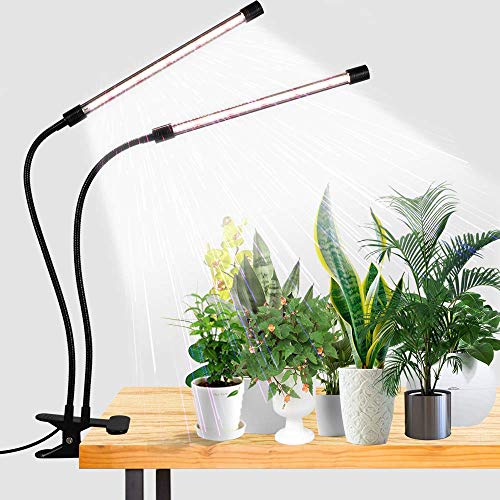
6000K White Light - equipped with 10 Red + 74 White LEDs, this growing Lamp is similar to the full-spectrum sunlight at noon,that is professionally designed for indoor garden plants.Moreover, its color rendering index is as high as 95, the light is soft and flicker-free, which is very suitable for reading lamp

214 Full Spectrum LEDS: This grow light features 214 high-performance LED beads, this innovative plant light provides a full spectrum light. The lighting system encompasses the full spectrum of wavelengths from 380nm to 780nm, akin to natural sunlight, ensuring uniform brightness and an extended range of illumination. It serves as an suitable light source for plant growth and can help plants promote efficient photosynthesis. Providing this light to your indoor plants.
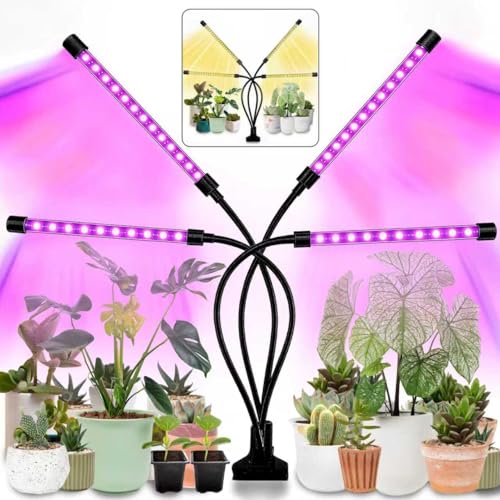
🌻Efficient LED Combination: This LED lamp has grow lights made up of 80 efficient growing LEDs ( 32 red lights, 12 blue lights,20 yellow lights and 16 white lights). It meets the conditions of plant growth without sunlight. 1--Full Spectrum(380nm-800nm): Suitable for all plants to root and sprout. 2--Red(660nm)+BLUE(460nm) Spectrum: for blooming and fruits. 3--Red+Blue+Full Spectrum: A mix of Red+Blue+Warm White is best to fuel the growth of your plants.
Container Selection
Choose containers that provide adequate drainage and space for lettuce roots. Opt for pots that are at least 6-8 inches deep. Consider using self-watering containers to maintain moisture levels. Ensure that containers have drainage holes to prevent waterlogging. Using biodegradable pots can also benefit plants when transplanting them outdoors.
Watering Practices
Water your lettuce regularly, ensuring the soil stays consistently moist but not soggy. Check soil moisture by sticking your finger about an inch into the soil; water if it’s dry. Use lukewarm water to avoid shocking the plants. Implement a drip irrigation system if managing multiple pots, as it allows for even water distribution and reduces overwatering risk.
Nutrient Management
Select a nutrient-rich potting mix specially formulated for vegetables. Fertilize your lettuce every 2-4 weeks with a balanced, water-soluble fertilizer. Follow the package instructions for dilution rates; too much can harm the plants. Consider using organic options like fish emulsion or compost tea for a natural nutrient boost. Regularly monitor leaf color; pale leaves may indicate nutrient deficiencies.
Common Challenges When Growing Indoors
Growing lettuce indoors comes with challenges that can affect your garden’s success. Addressing these issues enhances your indoor growing experience.
Pest Control
Pests can disrupt your indoor lettuce growth. Aphids, spider mites, and fungus gnats often invade indoor plants. To control these pests, you can:
- Inspect regularly: Check your plants weekly for any signs of pests.
- Use sticky traps: Place yellow sticky traps near your plants to catch flying insects.
- Apply organic insecticides: Neem oil or insecticidal soap can help eliminate pests without harming your plants.
Maintaining a clean growing area also prevents infestations. Remove any dead leaves or debris promptly.
Disease Prevention
Diseases can spread quickly in indoor environments. Common issues include powdery mildew and root rot. To prevent disease, follow these tips:
- Ensure good airflow: Arrange your plants to allow for adequate air circulation, reducing humidity.
- Water wisely: Water at the soil level to avoid wetting the leaves, which can foster disease.
- Choose disease-resistant varieties: When selecting seeds, look for lettuce types resistant to common diseases.
Regularly check your plants’ health and remove any affected leaves immediately.
Conclusion
Growing lettuce indoors can be a rewarding experience when you pay attention to the right details. By managing light, temperature, and humidity effectively you can enjoy fresh greens right from your home.
Don’t forget to monitor your plants regularly for signs of pests and nutrient deficiencies. With a little care and patience you’ll be able to harvest delicious lettuce in just a few weeks.
So grab your containers and start your indoor garden adventure. You’ll love the satisfaction of growing your own food while adding a touch of greenery to your space. Happy gardening!
Frequently Asked Questions
How long does it take to grow lettuce indoors?
Growing lettuce indoors typically takes 30 to 60 days from seed to harvest, depending on the variety and growing conditions. Providing optimal light, temperature, and humidity will help speed up the process.
What light is best for indoor lettuce?
Lettuce prefers bright, indirect sunlight for at least 12 to 16 hours daily. If natural light is insufficient, consider using LED grow lights specifically designed for indoor plants.
What temperature is ideal for growing lettuce indoors?
The ideal temperature range for indoor lettuce growth is between 60°F to 70°F (15°C to 21°C). Maintaining consistency within this range helps promote healthy and fast growth.
How do I choose the right container for indoor lettuce?
Select containers with drainage holes to prevent waterlogging. A depth of at least 6 to 8 inches is recommended to accommodate the root system and support healthy growth.
How should I water my indoor lettuce?
Water your indoor lettuce when the top inch of soil feels dry. Ensure the soil is moist but not soggy, as over-watering can lead to root rot and other issues.
What soil is best for indoor lettuce?
Use a nutrient-rich potting mix designed for vegetables or a soil-less blend that retains moisture while offering good drainage. This combination promotes healthy root growth.
How often should I fertilize indoor lettuce?
Fertilize indoor lettuce every 2 to 4 weeks with a balanced, water-soluble fertilizer. Regular fertilization supports growth and prevents nutrient deficiencies.
What pests should I watch for when growing lettuce indoors?
Common indoor pests include aphids, spider mites, and fungus gnats. Regularly inspect your plants and use sticky traps or organic insecticides to control infestations.
How can I prevent diseases in my indoor lettuce?
Prevent diseases by ensuring good air circulation, watering at the soil level, choosing disease-resistant varieties, and promptly removing any affected leaves from the plants.
