

Have you ever wondered how quickly you can enjoy fresh, crisp lettuce right from your own home? Growing lettuce in hydroponics is not only a fun project but also a rewarding way to ensure you have a steady supply of greens.
Key Takeaways
- Hydroponics Basics: Hydroponics allows you to grow lettuce without soil, using nutrient-rich water for faster growth and space efficiency.
- Optimal Growing Conditions: Maintain temperatures between 60°F and 70°F, pH levels between 5.5 and 6.5, and ensure 12 to 16 hours of light exposure daily for healthy lettuce.
- Variety Selection: Choose fast-growing varieties like Butterhead and Looseleaf for quicker harvests, typically within 30 to 45 days.
- Nutrient Management: Regularly test and adjust your nutrient solution, incorporating essential macro and micronutrients to enhance growth and avoid deficiencies.
- Common Issues: Monitor for signs of wilting, yellowing, or pests, and adjust watering and nutrient levels accordingly to maintain plant health.
- Harvesting Strategy: Harvest mature lettuce around 30 to 50 days post-germination to maximize yield and encourage continuous growth from the plant.
Understanding Hydroponics
Hydroponics involves growing plants without soil, using nutrient-rich water instead. This method allows you to cultivate lettuce and other plants efficiently, providing benefits like faster growth and space-saving setups.
Key Components of Hydroponics
- Nutrient Solution: The water contains essential nutrients for plant growth. You can purchase premixed solutions or create your own with specific ratios.
- Growing Medium: Various media like rock wool, clay pellets, or coconut coir support roots. Choose a medium that retains moisture while allowing good drainage.
- Light Source: Providing the right light is crucial. You can use natural sunlight or artificial grow lights to ensure your lettuce gets enough light for photosynthesis.
Types of Hydroponic Systems
- Deep Water Culture: Lettuce roots hang in water filled with nutrients. An air pump delivers oxygen, promoting healthy growth.
- Nutrient Film Technique: A thin film of nutrient solution runs through a sloped channel. Plants grow in net pots, allowing roots to absorb nutrients while exposed to air.
- Aeroponics: Roots hang in the air and receive misting with a nutrient solution. This method promotes rapid growth due to high oxygen availability.
Growing Lettuce in Hydroponics
- Select the Right Lettuce Variety: Use varieties like Butterhead or Romaine for hydroponics. These types thrive in this system and yield well.
- Maintain Proper pH Levels: Keep pH between 5.5 and 6.5. Regular testing ensures nutrient uptake remains optimal.
- Set Temperature and Humidity: Ideal temperature ranges from 65°F to 70°F with humidity around 50-70%. Monitor conditions to prevent disease.
- Wilting Leaves: Check for under or over-watering. Adjust water levels accordingly.
- Yellowing Leaves: This may indicate a nutrient deficiency. Test the nutrient solution and adjust as needed.
- Pests: Inspect your plants regularly. Use natural pest control methods like neem oil to protect your lettuce.
Understanding hydroponics simplifies the process of growing lettuce. By focusing on the right components, systems, and maintenance, you can enjoy a continuous harvest of fresh lettuce.
Factors Affecting Growth Time
Several factors influence how long it takes to grow lettuce in hydroponics. Understanding these elements helps ensure a quicker and healthier harvest.
Recommended Products

SMART WATER & NUTRIENT REMINDERS: Unlike basic indoor gardens, this hydroponics growing system features separate 2-week countdown reminders for water and nutrients. When a cycle ends, the corresponding LCD icon flashes to let you know it is time to refill. After refilling, simply restart the countdown to begin a new care cycle.

High planting efficiency: Start an indoor herb garden with the Ahopegarden hydroponic growing system, which includes a water reservoir, an overhead LED grow light, and a circulation system that keeps the water fresh. The hydroponic setup and lighting systems allow plants to grow up to faster and healthier in controlled conditions. Simply add plant seeds, water, and nutrients to the reservoir and watch the plants grow

PATENTED SMART HYDROPONIC SYSTEM: Take your indoor gardening to the next level with our patented smart hydroponic system, featuring the exclusive LetPot app. With just a few taps on your phone, you can effortlessly adjust the 0-24 hours LED lighting schedule to provide your plants with the perfect amount of light and precies on/off time. Our innovative reminder system also ensures you never forget to water your plants again, making growing healthy and vibrant plants easier than ever before.
Temperature Requirements
Temperature plays a crucial role in lettuce growth. Ideal temperatures for lettuce range from 60°F to 70°F (15°C to 21°C). Higher temperatures above 75°F (24°C) can cause bolting, where lettuce goes to seed prematurely. To achieve optimal growth, maintain consistent temperatures. Use heating mats or ventilation systems as needed to regulate the environment effectively.
Light Exposure
Light exposure directly affects lettuce growth speed and quality. Lettuce typically requires 12 to 16 hours of light each day. High-intensity grow lights, such as LEDs, provide the necessary spectrum for best growth. Position lights about 12 inches above the plants to avoid burning. Adjust the light cycle depending on the growth stage, increasing intensity during the seedling phase and flowering stage for optimal yields.
Nutrient Levels
Nutrient availability significantly impacts growth duration. Ensure the nutrient solution contains essential macro and micronutrients, including nitrogen, phosphorus, potassium, calcium, and magnesium. Conduct regular tests to monitor nutrient levels and maintain the solution at a pH of 5.5 to 6.5 for optimal absorption. Consider using a hydroponic nutrient solution specifically formulated for leafy greens to promote robust growth.
Typical Growth Timeline
Growing lettuce in hydroponics has a straightforward timeline. Understanding each stage helps you plan your gardening efforts effectively.
Seed Germination
Seeds typically germinate within 7 to 14 days in hydroponics. Keep the temperature between 70°F and 75°F for optimal germination. Use a damp paper towel or a seedling tray with a growing medium to start your seeds. Mist the medium regularly to maintain moisture. Once seedlings develop a set of true leaves, they’re ready for the next step.
Transplanting Seedlings
After seed germination, transplant seedlings into your hydroponic system, usually around 2 to 4 weeks after sowing. Ensure the roots have developed at least a couple of inches for a smooth transition. Space seedlings appropriately to improve air circulation and prevent overcrowding. Provide sufficient light, as they need 12 to 16 hours daily to thrive.
Harvesting Mature Lettuce
You can harvest mature lettuce in about 30 to 50 days, depending on the variety. Leafy varieties like butterhead mature faster than crisphead varieties. Harvesting is best when the leaves reach a desirable size, typically around 6 to 8 inches long. Use scissors to cut leaves from the outer part of the plant, allowing the center to continue growing for additional harvests. Regular harvesting encourages faster plant growth and maximizes your yield.
Tips for Optimal Growth
Growing lettuce hydroponically involves paying attention to specific factors that influence growth speed and quality. Follow these essential tips for a successful hydroponic lettuce garden.
Recommended Products

Ph Test Kit
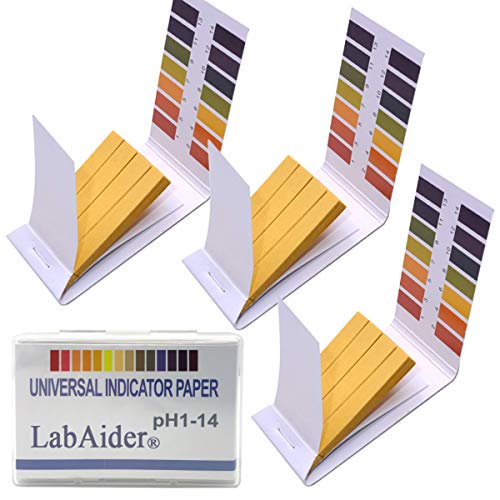
Paper Size: 45mm x 7mm (L x W), Comes with 3 Pack(240 pH Strips) and 1 Storage Case.

VERSATILE pH TESTING – Ideal for testing water, pools, kombucha, soap making, brewing, hydroponics, skincare, fermentation, canning, and more. A must-have for home and professional use.
Choosing the Right Varieties
Choosing the right varieties makes a significant difference in your hydroponic lettuce success. Opt for fast-growing types like Butterhead or Looseleaf varieties. These options mature quickly, generally ready for harvest in 30 to 45 days. For crisp-headed varieties, consider Romaine, which may take longer but offers a wholesome crunch. Always check seed packets for specific growth information to match your timeline.
Maintaining pH Levels
Maintaining proper pH levels ensures optimal nutrient absorption for your lettuce. Aim to keep pH between 5.5 and 6.5. Regular testing using pH strips or a digital meter helps you monitor fluctuations. If pH strays from the ideal range, adjust it with pH up or pH down solutions. Small adjustments make a big impact, promoting healthier plants and faster growth.
Conclusion
Growing lettuce in hydroponics can be a fun and fulfilling experience. With the right setup and care, you can enjoy fresh lettuce right from your home. Remember to keep an eye on temperature light exposure and nutrient levels to ensure your plants thrive.
By selecting the right varieties and following the growth timeline you’ll be able to harvest crisp leaves in no time. So get started on your hydroponic journey and enjoy the satisfaction of growing your own delicious greens. Happy gardening!
Frequently Asked Questions
What is hydroponics and how does it work for growing lettuce?
Hydroponics is a method of growing plants without soil, using nutrient-rich water instead. For lettuce, this technique allows for faster growth and space-efficient cultivation. Plants receive essential nutrients directly through the water, maximizing growth potential and ensuring consistent quality.
What are the benefits of growing lettuce hydroponically at home?
Growing lettuce hydroponically at home provides a steady supply of fresh, crisp produce. It also eliminates soil-based pests and diseases, allows for precise control over nutrients, and saves space. Additionally, it’s an enjoyable project that can enhance gardening skills.
What hydroponic systems are best for growing lettuce?
Popular hydroponic systems for growing lettuce include Deep Water Culture, Nutrient Film Technique, and Aeroponics. Each system has unique advantages; for instance, Deep Water Culture offers simple setup and fast growth, while Aeroponics maximizes oxygen exposure for the roots.
What are the ideal conditions for growing lettuce in hydroponics?
Ideal conditions for hydroponic lettuce include temperatures between 60°F to 70°F, with 12 to 16 hours of light daily. Maintain the pH of the nutrient solution between 5.5 and 6.5 for optimal nutrient absorption, and monitor temperature and humidity for healthy growth.
How long does it take to grow lettuce hydroponically?
Lettuce grown hydroponically can take about 30 to 50 days from germination to harvest, depending on the variety. Seeds typically germinate within 7 to 14 days, followed by an additional 2 to 4 weeks for seedlings to establish before harvesting.
What common issues affect hydroponic lettuce growth?
Common issues include wilting or yellowing leaves, often caused by nutrient imbalances, improper pH, or environmental stress. Regular monitoring of the nutrient solution, pH levels, and maintaining suitable light and temperature conditions can help prevent these problems.
Which lettuce varieties are best for hydroponic growth?
Fast-growing varieties such as Butterhead and Looseleaf are ideal for hydroponic cultivation. These types can mature in 30 to 45 days, providing a quicker turnaround for continuous harvesting and ensuring fresh produce throughout the growing season.
