

Have you ever wondered how long it takes to grow fresh, crisp lettuce from seed? If you’re eager to enjoy homegrown salads but don’t know where to start, you’re not alone. Many gardeners find themselves asking this very question as they plan their vegetable patches.
Key Takeaways
- Lettuce Growth Stages: Understanding the distinct phases of lettuce growth—germination (7 to 14 days) and seedling development (3 to 4 weeks)—is essential for successful gardening.
- Optimal Growing Conditions: Providing at least 12 to 16 hours of bright light daily and well-draining soil with a pH level of 6.0 to 7.0 is crucial for healthy lettuce growth.
- Variety-Specific Timeframes: Leaf lettuce varieties typically mature in 45 to 55 days, while head lettuce takes longer, around 70 to 85 days, from seed to harvest.
- Managing Pests and Diseases: Regularly inspect your plants for pests like aphids and slugs, and implement organic pest control methods to protect your lettuce crops.
- Environmental Factors: Maintain ideal temperatures (60°F to 70°F) and consistent soil moisture to prevent issues like bolting and root rot, ensuring a successful growth cycle.
- Staggered Harvesting: For continuous production, consider staggered harvesting of leafy varieties by picking leaves when they reach 4 to 6 inches tall.
Understanding Lettuce Growth Stages
Lettuce growth involves several distinct stages. Each phase contributes to the overall development of your plants.
Germination Phase
Germination begins when you plant lettuce seeds in moist soil. This phase typically lasts 7 to 14 days. Optimal temperatures for germination range from 60°F to 70°F. Consistent moisture is crucial; check the soil daily. If you see sprouts, those little green seedlings indicate successful germination.
Seedling Development
After germination, seedlings enter the development stage. This stage lasts about 3 to 4 weeks. During this time, your lettuce plants grow true leaves and strengthen their roots. Provide ample sunlight, ideally 12 to 16 hours daily. Thin seedlings to allow at least 4 to 6 inches between each plant. Fertilizing with a balanced fertilizer helps support their growth. Proper spacing and nutrients lead to healthier plants and better yields.
Ideal Growing Conditions
Creating the right environment for your lettuce seeds helps ensure strong growth and healthy yields. Focus on two main factors: light requirements and soil type and preparation.
Recommended Products
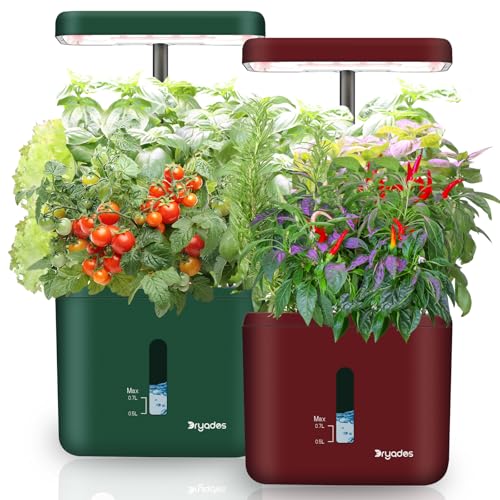
INDOOR INTELLIGENT, MORE EFFICIENT: Indoor soil cultivation planting system adopts full-spectrum technology, 5 times more efficient than outdoor traditional cultivation, controllable LED grow lights set 8H/12H/16H light time, do not affect the personal work and rest at the same time to ensure that the Potted plants are at optimum temperatures all year round in order to promote photosynthesis in any weather.

Full Spectrum Grow Light: Our plant light is equipped with 108 high-quality LED beads. This advanced lighting solution incorporates 60 cold white LEDs, 32 warm white LEDs, and 16 red LEDs, creating an optimal environment with precise wavelengths for seedlings, flowers, and vegetables. Your plants will thrive under its nurturing glow, ensuring health and vitality at every growth stage.

Light Requirements
Lettuce thrives with plenty of bright light. Aim for at least 12 to 16 hours of light per day for optimal growth. If you’re growing indoors, consider full-spectrum grow lights to mimic sunlight. Outdoors, a location that offers partial shade, especially during hot afternoons, can help prevent bolting. Rotating your lettuce crop every few weeks can also ensure even light exposure.
Soil Type and Preparation
Lettuce prefers well-draining soil that retains moisture without becoming waterlogged. A sandy loam or a loamy soil mix works best. Before planting, amend the soil with organic matter, such as compost, to boost nutrients. Aim for a pH level between 6.0 and 7.0 for ideal growth. Prior to sowing seeds, loosen the soil to at least 12 inches deep, ensuring it’s aerated and ready to support root development. Regularly checking and adjusting moisture levels during germination stages pays off with healthy seedlings.
Timeframe for Different Lettuce Varieties
Growing lettuce from seed requires understanding the specific timelines for various types. Different varieties of lettuce have unique growth periods that range from germination to harvest.
Recommended Products

Healthy Food Source: Because of its tender flavor, lettuce is a popular vegetable for salad, sandwiches, wraps, soups, stir-fries and juice. There are over 20,000 seeds, 10 kinds of lettuce collection, including bibb, boston, iceberg, buttercrunch, grand rapids TBR, oakleaf, ruby leaf, cimmaron romaine and waldmann's

USDA Certified Organic by Oregon Tilth

15 Herb Seeds Variety Pack – 4300 Seeds Included: Start your own herb garden with this all-in-one heirloom herbs seeds kit. Includes Genovese Basil, Sweet Basil, Italian Oregano, Rosemary, Thyme, Cilantro, Dill, Mint, Sage, Lavender, Chives, Garlic Chives, Parsley, Chervil, and Scallions. Each herb seed packet is USA-sourced and tested for high germination. Grow these herb garden seeds in your backyard, windowsill, raised beds, or pots for fresh flavors all season long.
Leaf Lettuce
Leaf lettuce typically takes about 45 to 55 days from seed to harvest. These types, including varieties like Butterhead and Looseleaf, grow quickly and are ideal for continuous harvesting. You can begin picking leaves when they reach about 4 to 6 inches tall. This allows for staggered harvesting, where you can enjoy fresh greens over several weeks.
Head Lettuce
Head lettuce, such as Iceberg and Romaine, usually requires a bit longer, taking around 70 to 85 days from seed to maturity. These varieties form dense heads, providing a crunchier texture than their leaf counterparts. It’s best to wait until the heads are firm and fully matured before harvesting to ensure the best flavor and quality.
Common Challenges in Lettuce Growth
Growing lettuce from seed presents several challenges that can impact your harvest. Understanding these obstacles helps ensure a successful gardening experience.
Recommended Products

Ladybugs are general predators that feed on a variety of slow-moving insects including Aphids, Moth eggs, Mites, Scales, Thrips, Leaf Hoppers, Mealybugs, Chinch Bugs, Asparagus Beetle larvae, Whitefly and others

INSECT KILLER - This pest control is designed for use on caterpillars and worm type insects, such as cabbage looper, bagworm, gypsy moth, fall cankerworm, elm spanworm and many more.

Includes a sheet with Release Tips, Release Rates, Ladybug Fun Facts and FAQ's
Pests and Diseases
Lettuce faces threats from pests and diseases. Common pests include aphids, slugs, and cucumber beetles. These pests can damage your plants or spread diseases. Inspect your plants regularly for signs of infestation.
To combat pests, consider using organic insecticides or introducing beneficial insects, like ladybugs. For diseases, ensure proper air circulation and avoid overhead watering to minimize moisture on leaves. Remove any infected plants immediately to prevent spread.
Environmental Factors
Environmental factors significantly affect lettuce growth. Temperature plays a crucial role; lettuce prefers cooler weather, ideally between 60°F and 70°F. Heat can cause lettuce to bolt, resulting in a bitter taste.
Sunlight is essential, with 12 to 16 hours of bright light each day. If sunlight is limited, use grow lights to supplement. Monitor soil moisture levels closely, keeping the soil consistently damp but not waterlogged. Excessive drought or heavy rainfall can hinder growth and lead to root rot.
Conclusion
Growing lettuce from seed can be a rewarding experience that brings fresh flavors to your meals. By understanding the growth stages and providing the right conditions you can enjoy a bountiful harvest in just a few weeks.
Remember to keep an eye on moisture levels and offer plenty of light to your plants. With a little patience and care you’ll be well on your way to enjoying homegrown salads. So grab those seeds and get started on your gardening adventure. Happy growing!
Frequently Asked Questions
How long does it take for lettuce to grow from seed?
Growing lettuce from seed typically takes about 45 to 85 days, depending on the variety. Leaf lettuce, such as Butterhead, matures in about 45 to 55 days. In contrast, head lettuce varieties like Iceberg and Romaine take around 70 to 85 days to reach maturity.
What are optimal conditions for lettuce germination?
For optimal germination, lettuce seeds require temperatures between 60°F and 70°F, along with consistent moisture. Under these conditions, seeds will usually sprout within 7 to 14 days.
How much sunlight does lettuce need?
Lettuce thrives with 12 to 16 hours of bright light daily. For indoor growth, full-spectrum grow lights are recommended, while outdoor plants should be in partial shade to prevent bolting.
What type of soil is best for growing lettuce?
Lettuce prefers well-draining sandy loam or loamy soil that is enriched with organic matter. A pH level between 6.0 and 7.0 is ideal for healthy growth.
How can I prevent pests in my lettuce garden?
To combat pests like aphids and slugs, regularly inspect your lettuce plants. You can use organic insecticides or introduce beneficial insects, such as ladybugs, to help manage infestations.
What environmental factors affect lettuce growth?
Lettuce grows best in cooler temperatures (60°F to 70°F) and requires consistent soil moisture. Avoid overhead watering and ensure good air circulation to minimize the risk of diseases like root rot.
When should I harvest my lettuce?
Leaf lettuce can be harvested continuously once leaves are large enough, while head lettuce should be picked when heads feel firm. Timing and care ensure the best flavor and quality at harvest.
