

Ever wondered how long it takes for that crisp lettuce to go from seed to salad? If you’ve tried growing your own greens, you know the excitement of watching them sprout. But figuring out the right time frame can feel tricky, especially if you’re eager to enjoy your homegrown harvest.
Key Takeaways
- Growth Duration: Lettuce typically takes about 4 to 8 weeks from seed to harvest, influenced by the variety and environmental conditions.
- Temperature Requirements: Optimal lettuce growth occurs between 60°F to 70°F; high temperatures can lead to bolting, affecting taste and yield.
- Light Exposure: Lettuce needs 12 to 16 hours of light daily for robust development; consider supplemental lighting for indoor growth.
- Soil Quality: Utilize loose, well-draining soil rich in organic matter with a pH of 6.0 to 6.8 to support healthy root systems.
- Watering Techniques: Water consistently but avoid overwatering; aim for about 1 to 1.5 inches of water weekly to promote strong growth.
- Variety Considerations: Be aware that different lettuce types, such as loose-leaf, Romaine, and Butterhead, have varying growth timelines and care needs.
Factors Influencing Lettuce Growth
Various factors affect how long it takes lettuce to grow. Understanding these elements helps ensure healthy crops throughout the growing process.
Recommended Products

【Grow Lights for Indoor Plants】LBW grow light is tailored to meet the unique needs of plant lovers, this light offers 6/8/12/16H auto timer settings and 5 adjustable brightness levels for optimal growth. Its unique design, easy assembly, and space-saving base make it a perfect fit for any home decor, is perfect for various indoor plants, including succulents, herbs, and orchids etc. NOTE: The product stand needs to be pressed down by the flower pot to be stable

Full Spectrum & Natural Light: A19 full spectrum grow light appears 4000K white to the eye but has a red/blue light spectrum. Same as natural sun shine, perfect for tomatoes, cucumbers, peppers, leafy greens and herbs at all growth stages.

【Grow Lights for Indoor Plants】LBW grow light is tailored to meet the unique needs of plant lovers, this light offers 6/8/12/16H auto timer settings and 5 adjustable brightness levels for optimal growth. Its unique design, easy assembly, and space-saving base make it a perfect fit for any home decor, is perfect for various indoor plants, including succulents, herbs, and orchids etc. NOTE: The product stand needs to be pressed down by the flower pot to be stable.
Temperature
Temperature plays a crucial role in lettuce growth. Lettuce thrives in temperatures ranging from 60°F to 70°F (15°C to 21°C). Colder temperatures can slow growth, while excessive heat above 75°F (24°C) may cause bolting, leading to a bitter taste. For optimal results, plant lettuce in early spring or fall. Monitor local temperatures, and consider using shade cloth during peak heat to protect your plants.
Light Requirements
Lettuce requires adequate light for optimal growth. It generally needs around 12 to 16 hours of light daily. When growing indoors, use grow lights to supplement natural sunlight. Outdoors, ensure your lettuce beds receive partial to full sunlight. If planting in the shade, choose varieties that tolerate lower light conditions, such as ‘Butterhead’ or ‘Oakleaf.’
Soil Type
Soil type impacts lettuce growth significantly. Ideally, lettuce prefers loose, well-draining soil rich in organic matter. A pH level between 6.0 and 6.8 is optimal. Loamy soil supports healthy root development and moisture retention. Before planting, amend your soil with compost or aged manure to improve fertility. Regularly check for drainage and aeration to support robust lettuce growth.
Growth Stages of Lettuce
Lettuce grows through several distinct stages, each crucial for achieving healthy and tasty leaves. Understanding these stages helps you manage your growing process effectively.
Seed Germination
Seed germination marks the beginning of lettuce growth. This stage usually takes about 7 to 14 days. Provide a temperature range of 65°F to 70°F for optimal germination. Plant the seeds in moist soil, covering them lightly. Keep the soil consistently damp but not soggy. Once the seedlings emerge, thin them to ensure adequate spacing for healthy growth.
Seedling Stage
The seedling stage follows germination and lasts roughly 2 to 3 weeks. At this point, seedlings need about 12 to 16 hours of light daily for robust growth. You can use grow lights indoors or place them in a sunny location outdoors. Maintain soil moisture without overwatering; this helps develop strong roots. If you notice any signs of stretching, like elongated stems, adjust your light source.
Maturity
The maturity stage occurs about 4 to 8 weeks after germination. During this phase, plants develop fully, producing leaves that are ready for harvest. For loose-leaf varieties, you can begin harvesting when the outer leaves reach 4 to 6 inches long. If you’re growing head lettuce, wait until the heads form tightly. Regularly check for signs of bolting, especially in warmer temperatures, which can trigger premature flowering.
By closely monitoring these growth stages, you can optimize your lettuce cultivation for the best results.
Average Growth Duration
Lettuce growth varies based on the variety and environmental conditions. Generally, expect a timeline from seed to harvest of about 4 to 8 weeks.
Different Lettuce Varieties
Different lettuce varieties produce varying growth durations.
- Loose-Leaf Lettuce: Germination takes 7 to 14 days, followed by a 2 to 3-week seedling stage. You can harvest these varieties about 4 to 6 weeks after planting.
- Romaine Lettuce: It requires about 6 to 8 weeks to reach maturity. After a similar germination and seedling phase, these heads form tightly, indicating readiness for harvest.
- Butterhead Lettuce: This type matures in approximately 6 to 8 weeks. Keep an eye on the growth; the leaves become tender and flavorful when harvested at the right time.
Ideal Growing Conditions
Lettuce thrives under specific conditions, significantly impacting growth duration.
- Temperature: Maintain temperatures between 60°F and 70°F. Cooler temperatures promote slower growth, while heat can accelerate bolting.
- Light: Provide 12 to 16 hours of light daily. Whether using natural sunlight or grow lights, ensure that your plants receive adequate exposure.
- Soil: Use loose, well-draining soil rich in organic matter. Incorporate compost to enhance fertility, leading to healthier plants that reach maturity faster.
By understanding factors like these, you can optimize your lettuce-growing experience and enjoy a bountiful harvest.
Tips for Faster Lettuce Growth
Enhancing lettuce growth involves careful attention to soil preparation and watering techniques. Implement these strategies to promote faster development.
Recommended Products
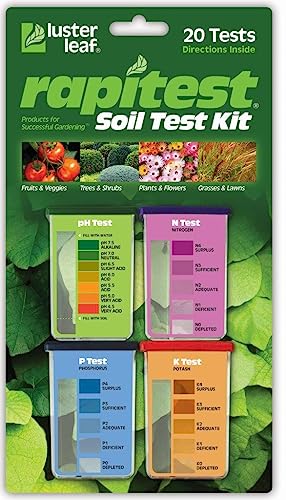
Quick, at home results for Soil pH, Nitrogen, Phosphorous and Potash Innovative and inexpensive soil test kit features an easy-to-use capsule system and patented color comparators

KNOW BEFORE YOU GROW | Grow the healthiest, sustainable lawn and garden with the most accurate and easy to use professional soil test kit on the market

Kindly NOTE: This soil tester can not be applied to test pH value of any other liquid. If the soil is too dry the indicator will not move, and water it before testing.
Soil Preparation
Prepare the soil by ensuring it’s loose and well-draining. Mix in organic matter, like compost, to improve fertility. Maintain a pH level between 6.0 and 7.0 for optimal nutrient absorption. Test your soil and amend accordingly. For example, if the soil is too acidic, add lime to balance it. Before planting, till the soil to a depth of at least 12 inches. This process aerates the soil, allowing roots to penetrate easily. Incorporating these practices creates a robust foundation for your lettuce.
Watering Techniques
Water consistently but avoid waterlogging. Lettuce needs about 1 to 1.5 inches of water weekly. Use drip irrigation or soaker hoses to deliver water directly to the roots. This method minimizes evaporation and ensures even moisture. Check soil moisture by inserting your finger about an inch into the soil. If it feels dry, it’s time to water. Early morning is the best time to irrigate. This timing reduces evaporation and allows leaves to dry during the day. Proper watering leads to strong, healthy plants and boosts growth rates.
Conclusion
Growing lettuce can be a rewarding experience that brings fresh flavors to your table. By paying attention to the right conditions and timelines you can enjoy a bountiful harvest. Remember to monitor the temperature light and soil quality to keep your plants thriving.
Whether you’re aiming for loose-leaf varieties or heading for that perfect head of lettuce patience is key. With a little care and the right approach you’ll soon be savoring the fruits of your labor. Happy gardening and enjoy your delicious homegrown lettuce!
Frequently Asked Questions
How long does it take for lettuce to grow from seed to harvest?
Lettuce typically takes about 4 to 8 weeks from seed to harvest. Loose-leaf varieties can be ready in about 4 to 6 weeks, while Romaine and Butterhead types may take 6 to 8 weeks to mature.
What temperature is best for growing lettuce?
Lettuce thrives best in temperatures between 60°F and 70°F. Cold temperatures can slow growth, while high heat may cause the plants to bolt.
How much light do lettuce plants need?
Lettuce requires approximately 12 to 16 hours of light daily. If growing indoors, consider using grow lights to supplement natural sunlight.
What type of soil is best for growing lettuce?
Lettuce grows best in loose, well-draining soil rich in organic matter. It’s recommended to amend the soil with compost for optimal fertility and nutrient absorption.
How can I enhance lettuce growth?
To enhance lettuce growth, ensure proper soil preparation by mixing in organic matter, maintaining a pH level between 6.0 and 7.0, and watering consistently, providing about 1 to 1.5 inches of water weekly.
