

Have you ever wondered if those old lettuce seeds in your garden shed are still good to use? You’re not alone. Many gardeners face the dilemma of whether to toss out seeds or give them another shot. Knowing how long lettuce seeds remain viable can save you time and money.
Key Takeaways
- Lettuce Seed Viability: Lettuce seeds generally remain viable for one to six years under optimal storage conditions, which include cool temperatures, low humidity, and minimal light exposure.
- Key Factors: Seed viability is largely influenced by storage temperature, humidity levels, seed age, type of lettuce, and light exposure. Properly storing seeds can significantly extend their lifespan.
- Storage Recommendations: To maintain seed quality, store lettuce seeds in a cool, dark place inside airtight containers, ideally at temperatures between 32°F and 41°F (0°C to 5°C).
- Testing Germination: Conduct simple germination tests using a damp paper towel to check seed viability. A successful test shows at least 70% germination, indicating the seeds are good to plant.
- Variability by Type: Different lettuce varieties exhibit distinct lifespans—leaf lettuce typically lasts 1-4 years, romaine lasts 3-5 years, and butterhead can be viable for 4-6 years.
- Visual Indicators: Look for consistent color, firm shape, and absence of mold or unusual spots in seeds to assess viability, though germination tests provide a more accurate confirmation.
Understanding Lettuce Seed Viability
Lettuce seed viability refers to the ability of seeds to germinate and grow into healthy plants. Understanding this concept is crucial for effective gardening, ensuring you plant viable seeds that produce a good harvest.
What Is Seed Viability?
Seed viability measures how long seeds retain the potential to germinate successfully. For lettuce seeds, this period typically lasts one to six years when stored properly. However, factors like seed variety and storage conditions can affect this duration. Testing seed viability can help you determine if older seeds are still worth planting.
Factors Affecting Seed Viability
Several factors influence the viability of lettuce seeds:
- Storage Temperature: Seeds stored in a cool, dry place maintain viability longer than those in warm or humid areas. Aim for temperatures below 70°F.
- Humidity Levels: High humidity levels can lead to mold and seed damage. Use airtight containers with a desiccant to absorb moisture.
- Seed Age: Older seeds naturally have reduced germination rates. Regularly test seeds every few years to assess viability.
- Seed Variety: Some lettuce varieties have longer shelf lives. For example, romaine may last longer than leaf lettuce.
- Light Exposure: Keeping seeds in a dark environment prevents degradation. Use opaque containers for storage.
By paying attention to these factors, you can maximize the lifespan of your lettuce seeds and ensure a successful gardening experience.
Lettuce Seed Lifespan
Lettuce seeds can remain viable for several years, but specific conditions significantly impact this duration. Understanding these factors helps you make informed decisions about using your seeds.
Recommended Products

4 Popular Heirloom Lettuce Varieties: Includes Red Romaine, Bibb Butterhead, Black Seeded Simpson, and Green Ice lettuce seeds to grow crisp, tender, and colorful salad greens with balanced flavor, texture, and visual appeal.
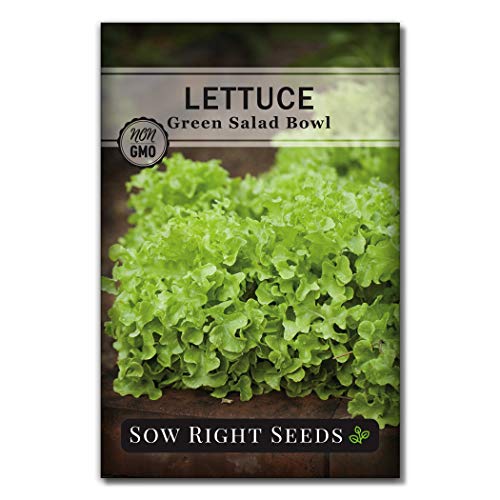
Beautiful - Large premium packet of Green Salad Bowl Lettuce (Lactuca sativa) seeds. Crisp and delicious, this frilly, green leaf lettuce can be grown outdoors or indoors in a hydroponics system. This cool-weather crop is also a more heat-tolerant variety that doesn’t get bitter and resists bolting. Minimum of 600mg per packet (about 430 seeds).

Typical Viability Duration
Lettuce seeds generally last one to six years under proper storage conditions. Factors such as moisture, temperature, and light exposure directly affect seed longevity. For optimal storage:
- Store seeds in a cool, dark place.
- Keep seeds in airtight containers to prevent moisture.
- Label containers with the purchase date for easy tracking.
Checking germination rates can also indicate viability. Conduct a simple germination test by placing a few seeds on a damp paper towel and checking for sprouts within a week.
Variability by Lettuce Type
Different lettuce types exhibit varying lifespans. For example:
- Leaf Lettuce: Viable for 1 to 4 years, they typically degrade faster due to their thinner seed coats.
- Romaine Lettuce: Lasts about 3 to 5 years because of its larger seed structure.
- Butterhead Lettuce: Generally remains viable for 4 to 6 years, benefiting from thicker seeds.
Taking these differences into account helps you decide when to plant specific lettuce varieties or when to replace old seeds with fresh ones. Always observe storage conditions closely to maximize seed viability for your garden.
Storage Conditions for Optimal Viability
Maintaining the right storage conditions is crucial for maximizing the viability of lettuce seeds. Proper temperature, humidity, and light exposure create an environment that helps retain seed quality over time.
Temperature and Humidity
Store lettuce seeds in a cool location. Aim for temperatures between 32°F and 41°F (0°C and 5°C). This range slows down seed aging and maintains viability.
Humidity plays a significant role too. Keep humidity levels below 50%. High humidity can cause seeds to mold or rot. Use silica gel packets or desiccants in airtight containers to absorb excess moisture.
Light Exposure
Avoid direct sunlight when storing seeds. Light can accelerate degradation. Use opaque containers or dark glass jars to block out light and protect your seeds.
When you open your containers, do it quickly to limit light exposure. Store seeds in a dark cupboard or a dedicated seed storage area to further minimize light impact.
By adjusting these conditions, you help ensure that your lettuce seeds remain viable for as long as possible.
Testing Seed Viability
Testing seed viability helps ensure you’re planting seeds that germinate. This process involves simple methods to determine how many old lettuce seeds can still sprout.
Recommended Products

Gardening Kit: 15 Lettuce & Salad Greens Seeds Variety Pack NON GMO Heirloom Seeds LESS THAN $0.70 PER SEED VARIETY PACK 17,700+ seeds including: Arugula, Kale, Spinach, Buttercrunch Lettuce, Oakleaf Green Lettuce, Cimarron Lettuce, Iceberg Lettuce, Romaine Lettuce, Swiss Chard, Corn Salad - Mache, Mizuna, Curled Cress, Endive Curled Ruffec, Radicchio, Curled Mustard.

YEAR-ROUND GARDEN FAVORITE – Dependable butterhead lettuce that thrives in cool or moderate weather for consistent harvests from spring through fall, even under cover in winter

USDA Certified Organic by Oregon Tilth
Germination Tests
Conducting a germination test is straightforward. Here’s how:
- Gather Supplies: You’ll need a few lettuce seeds, a damp paper towel, a plastic bag, and a warm spot.
- Prepare the Towel: Moisten the paper towel, ensuring it’s damp but not soggy.
- Place Seeds: Spread 10 seeds evenly on one half of the towel. Fold the other half over the seeds.
- Seal and Store: Place the towel in the plastic bag, sealing it to maintain moisture. Keep the bag in a warm location, ideally between 70°F and 75°F (21°C and 24°C).
- Check Progress: After about 5 to 10 days, check for sprouted seeds. Count the number of seeds that germinated.
A successful test typically shows at least 70% germination, ensuring your seeds are viable. If fewer seeds sprout, consider replacing them.
Visual Indicators
Visual indicators can also reveal seed viability. Look for the following signs:
- Color: Healthy seeds often exhibit a consistent and vibrant color. Discolored seeds might signal deterioration.
- Shape: Viable seeds usually maintain a firm structure. Wrinkled or shriveled seeds often result from age or poor storage.
- Surface: Check for any unusual spots or mold, which indicate spoilage.
While visual indicators aren’t definitive, they can help inform your decision. If your seeds lack vibrancy in appearance or texture, it’s wise to perform a germination test.
By performing these simple tests, you ensure your lettuce seeds provide the best chance for a successful garden.
Conclusion
Understanding the viability of your lettuce seeds can make a big difference in your gardening success. By knowing how long they last and how to store them properly you can maximize your chances of a bountiful harvest. Remember to keep your seeds in a cool dark place and check their viability with a simple germination test.
With a little care you can stretch the life of your seeds and enjoy fresh lettuce from your garden for years to come. Happy gardening!
Frequently Asked Questions
How long do lettuce seeds remain viable?
Lettuce seeds typically remain viable for one to six years when stored properly. Factors like storage temperature, humidity, and light exposure can influence this lifespan.
What is the best way to store lettuce seeds?
To maximize viability, store lettuce seeds in a cool, dark place using airtight containers. Keep humidity levels below 50% and avoid light exposure.
How can I test the viability of old lettuce seeds?
You can perform a simple germination test using a damp paper towel inside a plastic bag. If at least 70% of the seeds germinate, they are likely still viable.
What types of lettuce have the longest viability?
Butterhead lettuce seeds can remain viable for four to six years, while leaf lettuce lasts one to four years, and romaine typically lasts three to five years.
What should I look for to determine if lettuce seeds are viable?
Check the seeds for color, shape, and surface condition. Healthy seeds usually have a consistent color and smooth texture, indicating they are more likely to germinate successfully.
