

Have you ever wondered how long it takes to grow your own lettuce? If you’ve tried your hand at gardening or are thinking about starting, knowing the timeline from seed to harvest can make all the difference. Picture this: you plant those tiny seeds and eagerly anticipate fresh, crisp salads right from your backyard.
Key Takeaways
- Growth Timeline: Lettuce typically takes between 30 to 85 days from seed to harvest, depending on the variety and environmental conditions.
- Growth Phases: The growth of lettuce includes germination (7-14 days) and seedling development (2-4 weeks), both crucial for successful harvests.
- Variety Impact: Different lettuce varieties have distinct growth times; for instance, leaf lettuce matures in 30-60 days, while romaine may take up to 90 days.
- Environmental Factors: Ideal conditions such as temperature (60°F-70°F), consistent moisture, and ample sunlight are essential for rapid growth.
- Best Practices: Preparing nutrient-rich soil, maintaining proper watering practices, and monitoring for pests contribute significantly to a successful lettuce garden.
- Quick Harvest Methods: Employ cut-and-come-again harvesting techniques to encourage continuous growth and obtain multiple yields from your plants.
Understanding Lettuce Growth Phases
Knowing the growth phases of lettuce helps you predict the time from seed to harvest. Lettuce grows in distinct stages, each contributing to the overall timeline.
Germination Stage
Germination is the first critical phase. It typically occurs 7 to 14 days after planting. During this time, you need to keep the soil consistently moist. Ensure a temperature between 60°F and 80°F for optimal germination. You’ll notice tiny sprouts emerging from the soil, signaling the start of your lettuce journey.
Seedling Development
After germination, seedlings begin to develop. This stage lasts about 2 to 4 weeks. At this point, the seedlings grow their first true leaves. Provide enough sunlight, ideally 12 to 16 hours a day, to support this growth. Thin out the seedlings if they are overcrowded to allow better air circulation and access to nutrients. This extra space promotes hearty growth, setting the foundation for a robust lettuce crop.
Factors Affecting Growth Time
Several factors influence the growth time of lettuce, impacting how quickly you can transition from seed to harvest. Understanding these factors helps you optimize your gardening practices.
Recommended Products

EASIER SEED STARTING: Our Burpee SuperSeed tray with 36 flexible pop-out cells is designed to simplify indoor seed starting for all your favorite vegetables, flowers and herbs. Just add seed starting mix, seeds, water and light to get growing! Rows are labeled alphanumerically for seedling identification with included Plant-o-Gram diagram. Tray dimensions: 11.5" x 10-3/8" x 2-1/4"
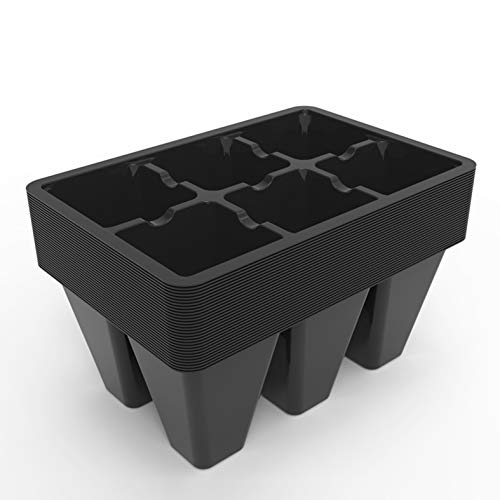
High Quality and Durable - Our Gardzen Seed Start Trays are made from premium plastic material, ensuring long-lasting use for all your seed starting needs. These trays are designed to withstand daily wear and tear, making them perfect for avid gardeners.

EASIER SEED STARTING: Our Burpee SuperSeed tray with 16 extra-large flexible pop-out cells is designed to simplify indoor seed starting. Just add seed starting mix, seeds, water and light to get growing! Rows are labeled alphanumerically for seedling identification with included Plant-o-Gram diagram.
Variety of Lettuce
Different types of lettuce yield varying growth rates. For example:
- Romaine: Typically takes 70 to 90 days from seed to harvest.
- Butterhead: Generally matures in about 55 to 75 days.
- Leaf Lettuce: Often ready to harvest in 30 to 60 days.
Choosing faster-growing varieties, like leaf lettuce, allows for quicker harvests. Assess your preferences and select a type that fits your timeline and desired flavor.
Environmental Conditions
Optimal environmental conditions are crucial for lettuce growth. Focus on these factors:
- Temperature: Lettuce thrives in 60°F to 70°F. Extreme heat or cold can slow growth or affect flavor.
- Sunlight: Aim for 12 to 14 hours of sunlight daily. Insufficient light leads to slower growth and weaker plants.
- Soil Moisture: Consistent moisture is key. Over-watering or under-watering affects germination and growth rates.
- Spacing: Proper spacing ensures good air circulation. Crowded plants compete for nutrients and light, slowing development.
By maintaining the right environmental conditions and selecting the appropriate lettuce variety, you’ll maximize your harvest potential.
Average Timeline from Seed to Harvest
Growing lettuce involves a specific timeline, typically ranging from 30 to 85 days from seed to harvest, depending on the variety and environmental conditions. Understanding this timeline helps you plan your gardening activities effectively.
Recommended Products

"Mesclun" comes from the Provençal French word meaning "mixture" — this style of mixed salad greens originated in the Nice region of France and became a staple of fine restaurants worldwide before becoming a home garden favorite.

CLASSIC HEIRLOOM LETTUCE SEEDS – Black-seeded Simpson is a beloved loose-leaf lettuce with light green ruffled leaves and sweet mild taste, ideal for fresh salads and easy harvests from spring through fall

Beautiful - Large, premium packet of a blend of heirloom Lettuce seeds (Latuca sativa). This surprising mix of pretty and colorful lettuces will be a welcome addition to your garden in early spring and fall. Minimum of 600 mg per packet (about 650 seeds).
Quick Growing Varieties
Quick-growing varieties, such as leaf lettuce and butterhead, mature in about 30 to 50 days. These types thrive in optimal conditions—consistent moisture, moderate temperatures, and ample sunlight. Starting these seeds indoors or directly in the garden can accelerate harvest times.
- Example varieties:
- Romaine: Ready in about 55 days.
- Mesclun mixes: Harvest in roughly 30 days.
You can also practice cut-and-come-again harvesting, where you trim the outer leaves, allowing the central growth to continue producing fresh foliage.
Longer Maturing Varieties
Longer maturing varieties, like head lettuce and cos, take between 70 to 85 days to reach full harvest. These varieties require more time to establish a robust head.
- Example varieties:
- Iceberg: Needs about 80 days.
- Green Butterhead: Matures in approximately 70 days.
For these types, ensure proper spacing to allow adequate airflow and sunlight, which benefits their growth. Additionally, composting and nutrient-rich soil promote quicker establishment of these longer-maturing plants.
Adhering to the recommended timelines for different lettuce varieties helps maximize yield and enhances your gardening experience.
Best Practices for Successful Harvest
Following best practices ensures a thriving lettuce garden. Proper preparation and care lead to bountiful yields.
Recommended Products

HERB GARDENING ESSENTIAL: Stainless steel blade plant shears with sheath ideal for harvesting herbs outdoors or with a window herb garden for kitchen; encourages overall lawn and garden health, or perfect gift to go with any indoor herb garden kit

【ANTI-SLIP HANDLE DESIGN】: The two-color anti-slip handle of the fruit pruning shears is ergonomically designed made of high purity PP+TRP secondary injection molding. Garden Pruning Shears handle is comfortable to grip and save energy. Garden shears has strong toughness and strength, which provides a strong grip and toughness for long-term use.
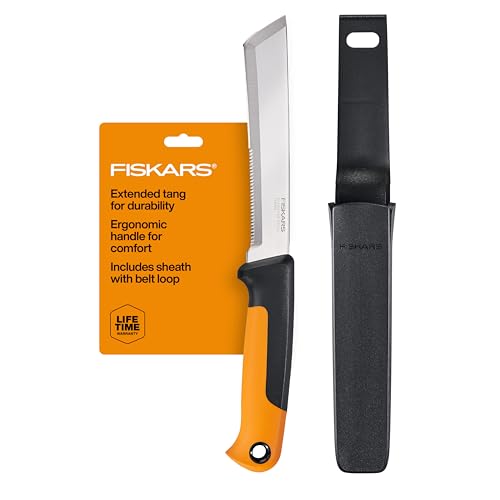
IDEAL FOR HARVESTING: Includes (1) Fiskars Harvesting Knife with hard plastic sheath and belt loop; perfect for thick stalks and stems, ensuring clean and precise cuts with ease in vegetable gardens and orchards; backed by a Lifetime Warranty
Soil Preparation
Prepare your soil by ensuring it’s rich in organic matter. Use compost or well-rotted manure to boost nutrients. Aim for a pH level between 6.0 and 7.0 for optimal growth. Test your soil to determine amendments needed. Loosen the soil to a depth of 12 inches to improve root development. Add sand if your soil is heavy to enhance drainage. Rake the surface smooth and remove debris.
Watering and Care
Water regularly, providing about 1 inch of water each week. Adjust based on rainfall, ensuring consistent moisture without waterlogging. Early morning is the best time for watering to reduce evaporation. Use a mulch layer, like straw or grass clippings, to retain soil moisture and suppress weeds. Fertilize every few weeks with a balanced, water-soluble fertilizer to support growth. Check for pests such as aphids and remove them by hand or with insecticidal soap. Regularly monitor your plants for signs of disease, and remove affected leaves promptly.
Conclusion
Growing your own lettuce can be a rewarding experience. By understanding the timeline from seed to harvest you can plan your garden effectively. Remember to keep an eye on the conditions that affect growth and make adjustments as needed.
With a little patience and care you’ll be enjoying fresh lettuce in no time. Whether you prefer Romaine or Iceberg your efforts will surely pay off when you bite into that crisp, homegrown goodness. Happy gardening and enjoy your harvest!
Frequently Asked Questions
What is the best way to grow lettuce?
To grow lettuce successfully, ensure well-drained, nutrient-rich soil with plenty of organic matter. Maintain consistent moisture and provide 6-8 hours of sunlight daily. Follow proper spacing based on the variety to allow for healthy growth.
How long does it take for lettuce to grow?
Lettuce typically takes between 30 to 85 days to grow from seed to harvest, depending on the specific variety. Quick-growing types like Leaf lettuce can be ready in about 30 days, while others like Romaine and Iceberg may take closer to 80 days.
What factors affect lettuce growth?
Key factors affecting lettuce growth include soil moisture, temperature, sunlight exposure, and proper spacing. Maintaining the right pH levels and ensuring good root development are also crucial for healthy plants.
How should I water my lettuce?
Lettuce prefers consistent moisture, so water regularly to keep the soil evenly moist but not soggy. Early morning watering is ideal to prevent diseases. Mulching can help retain soil moisture and regulate temperature.
What are the best practices for harvesting lettuce?
For a successful harvest, use sharp scissors to cut leaves or the entire head without damaging the plant. Harvest in the morning for crispness and avoid leaving any rotting leaves behind. Properly prepare soil before planting to improve overall harvest quality.
How can I control pests when growing lettuce?
Implement integrated pest management techniques, such as promoting beneficial insects, using insecticidal soap, and rotating crops. Regularly check for signs of pests and diseases to take action early and maintain healthy plants.
What types of lettuce are best for beginners?
Leaf lettuce, Butterhead, and Romaine are excellent options for beginners due to their relatively fast growth and ease of care. These varieties adapt well to various conditions and can be harvested multiple times.
