

The time from seed to corn harvest typically spans 90 to 120 days, depending on the corn variety and growing conditions. Understanding this timeline helps farmers plan their planting and harvesting schedules effectively.
Corn Growth Timeline and Stages
Understanding the corn growth timeline is essential for farmers and enthusiasts alike. This section outlines the key stages of corn development, from germination to harvest, highlighting the typical duration of each phase. By grasping this timeline, you can better plan for planting and optimize your yield.
Corn growth progresses through distinct stages, each crucial for determining the overall timeline to harvest. These stages include germination, vegetative growth, flowering, and maturity. Each phase has specific requirements for water, nutrients, and sunlight, impacting the final yield.
Germination: Seeds sprout and develop roots.
Vegetative Growth: Leaves and stalks grow, enhancing photosynthesis.
Flowering: Pollination occurs, leading to kernel formation.
Maturity: Kernels reach full size and moisture levels decrease.
Key Elements Affecting Corn Growth Timeline
Understanding the key elements that influence the growth timeline of corn is essential for successful farming. Factors such as soil quality, weather conditions, and seed variety play crucial roles in determining how quickly corn matures from seed to harvest. By examining these elements, farmers can better manage their crops for optimal yield.
Several factors can influence the duration from seed to harvest. Understanding these elements allows for better management of the corn crop.
Corn Variety: Different varieties have varying maturity times.
Soil Quality: Nutrient-rich soil promotes faster growth.
Weather Conditions: Temperature and rainfall significantly impact growth rates.
Pest and Disease Management: Effective control methods can prevent delays.
Corn Growth Stages and Duration
Understanding the growth stages of corn is essential for successful cultivation and harvest planning. Each phase, from germination to maturity, has specific timeframes that can vary based on environmental conditions and farming practices. This section breaks down the key stages of corn development, providing insights into their duration and significance in the overall growth cycle.
The corn maturity timeline can be broken down into specific phases. This table summarizes the average duration of each growth stage.
| Growth Stage | Average Duration (Days) |
|---|---|
| Germination | 5-10 |
| Vegetative Growth | 40-70 |
| Flowering | 20-30 |
| Maturity | 20-30 |
Corn Planting Timing for Maximum Yield
Understanding the optimal timing for planting corn is crucial for achieving maximum yield. Factors such as soil temperature, moisture levels, and regional climate conditions all play a significant role in determining when to sow seeds. By carefully considering these elements, farmers can enhance their chances of a successful harvest.
Selecting the right planting time is essential for maximizing yield. Corn should be planted when soil temperatures reach at least 50°F. Early planting can lead to faster growth, but late planting risks reduced yields.
Spring Planting: Ideal for most regions.
Soil Temperature: Monitor to ensure optimal conditions.
Frost Dates: Avoid planting too close to expected frost.
Harvesting Methods for Optimal Corn Yield
Harvesting corn efficiently is crucial for maximizing yield and ensuring quality. Various methods can be employed depending on the scale of the operation and local conditions. Understanding these techniques will help farmers choose the best approach to achieve optimal results during the harvest season.
Effective harvesting techniques can significantly impact the final yield. Farmers should consider the following methods to ensure a successful harvest.
Timing: Harvest when moisture content is between 15-20%.
Equipment: Use a reliable combine harvester for efficiency.
Field Conditions: Ensure fields are dry to prevent damage.
Recommended Products
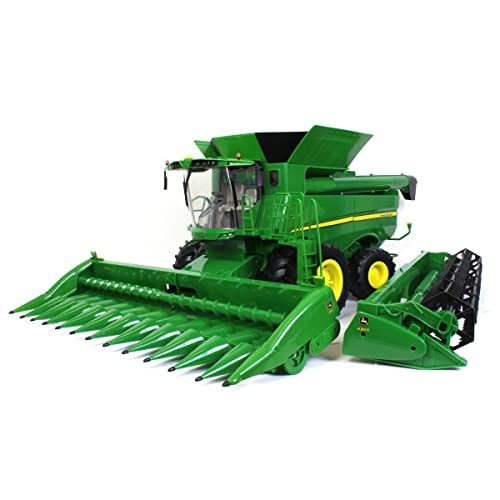
Durable construction makes this toy great for both indoor and outdoor play


Ready for corn harvest! Bburago brings fieldwork and farm directly to children's rooms with the New Holland Combine Harvester for Corn
Common Harvesting Mistakes to Avoid
When it comes to corn harvesting, even seasoned farmers can make mistakes that impact yield and quality. Understanding common pitfalls can help ensure a successful harvest, maximizing both efficiency and profitability. This section highlights key errors to avoid, providing insights to enhance your harvesting practices.
Certain mistakes can hinder the corn harvesting process. Awareness of these pitfalls can help farmers achieve better results.
Late Harvesting: Leads to reduced kernel quality.
Poor Equipment Maintenance: Increases downtime and costs.
Ignoring Weather Conditions: Can result in crop loss.
Corn Harvesting Logistics and Efficiency
Understanding the logistics and efficiency of corn harvesting is crucial for maximizing yield and minimizing waste. This section delves into the key factors that influence the harvesting process, including timing, equipment, and labor considerations. By examining these elements, growers can better navigate the complexities of bringing their corn from field to market.
Planning the logistics of corn harvesting is crucial for efficiency. Farmers should consider the following aspects.
Transportation: Arrange for trucks to transport harvested corn.
Storage: Ensure adequate storage facilities to prevent spoilage.
Labor: Hire sufficient labor to manage the harvest efficiently.
Corn Growth Timeline and Harvest Insights
Understanding the timeline of corn growth is essential for farmers and enthusiasts alike. This section delves into the various stages of corn development, from planting the seed to the eventual harvest, providing key insights into the factors that influence growth duration and yield. By grasping this timeline, you can better plan and optimize your corn cultivation efforts.
Farmers must stay informed about the entire corn growth process. Understanding the timeline and factors influencing growth can lead to better management and higher yields.
Monitor weather conditions closely to avoid unexpected delays during harvest.
