

Potatoes typically take 70 to 120 days to grow, depending on the variety and growing conditions. Gardeners can optimize their yield by understanding the growth stages and environmental factors that influence potato development.
Potato Growth Stages and Care Requirements
Understanding the growth stages of potatoes is essential for successful cultivation. Each phase, from planting to harvest, requires specific care to ensure healthy plants and a bountiful yield. This guide outlines the key stages of potato development and the necessary attention they demand throughout their growth cycle.
Potatoes undergo several distinct growth stages, each requiring specific care and attention. These stages include germination, tuber formation, and maturation. Knowing these stages helps gardeners plan their planting and harvesting schedules effectively.
Germination: 2 to 4 weeks
Tuber Formation: 4 to 10 weeks
Maturation: 10 to 20 weeks
Monitoring these stages is crucial for successful potato cultivation.
Potato Growth Timeline and Key Actions
Understanding the growth timeline of potatoes is essential for successful gardening. This section outlines the various stages of potato development, from planting to harvest, and highlights the key actions gardeners should take at each phase to ensure a bountiful crop. By following these guidelines, you can optimize your potato-growing experience.
| Growth Stage | Duration | Key Actions |
|---|---|---|
| Germination | 2 to 4 weeks | Ensure soil moisture and warmth |
| Tuber Formation | 4 to 10 weeks | Fertilize and monitor water levels |
| Maturation | 10 to 20 weeks | Reduce watering before harvest |
This table provides a snapshot of the growth timeline and necessary actions.
Potato Growth Duration Influencing Factors
Understanding the factors that influence potato growth duration is essential for gardeners aiming for a successful harvest. From soil quality and temperature to seed variety and care practices, each element plays a crucial role in determining how long it takes for potatoes to mature. This guide will explore these key influences to help you optimize your gardening efforts.
Several factors can affect how long it takes for potatoes to grow. Understanding these factors allows gardeners to make informed decisions that can enhance growth.
Variety: Different potato varieties have varying growth times. Early varieties mature faster, while late varieties take longer.
Climate: Warmer temperatures generally speed up growth. However, extreme heat can hinder development.
Soil Quality: Well-draining, nutrient-rich soil promotes faster growth. Poor soil can lead to stunted plants.
Monitoring these factors is essential to achieving optimal growth.
Potato Planting Process for Optimal Yield
Understanding the potato planting process is crucial for achieving optimal yield in your garden. This section outlines the key steps involved, from selecting the right seed potatoes to preparing the soil and ensuring proper spacing. By following these guidelines, gardeners can maximize their potato harvest and enjoy a bountiful crop.
Follow these steps to ensure successful potato growth. Each step is critical for maximizing yield.
Select Quality Seed Potatoes: Choose disease-free, certified seed potatoes.
Prepare the Soil: Loosen the soil and mix in compost or fertilizer.
Plant at the Right Time: Aim for early spring when soil temperatures reach 45°F.
Water Regularly: Maintain consistent moisture, especially during tuber formation.
Hill the Plants: Add soil around the base of the plants to encourage tuber growth.
Monitor for Pests and Diseases: Check regularly and treat any issues promptly.
This guide outlines the essential steps for planting and caring for potatoes.
Recommended Products

Kindly NOTE: This soil tester can not be applied to test pH value of any other liquid. If the soil is too dry the indicator will not move, and water it before testing.
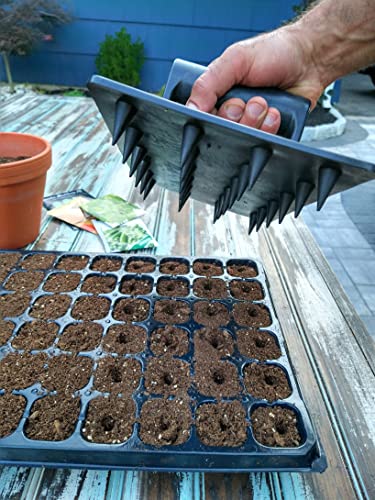
Efficiently start seeds indoors by creating perfect planting holes in 72-cell seed trays
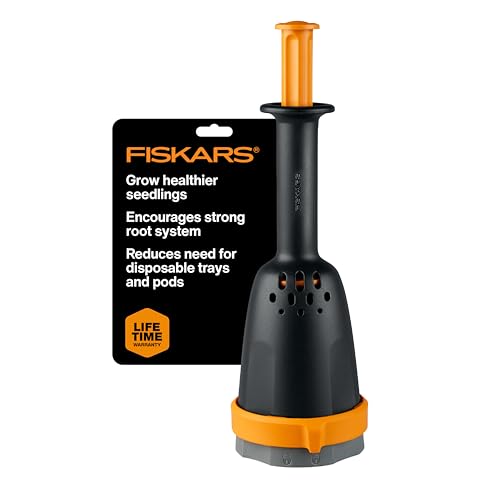
Fiskars Soil Block Maker helps you grow healthier seedlings by encouraging stronger root systems through natural air pruning
Potato Growth Issue Identification
Understanding the common issues that can affect potato growth is essential for any gardener aiming for a successful harvest. This section will help you identify potential problems, from pest infestations to nutrient deficiencies, ensuring you can take timely action to support healthy potato development. By recognizing these signs early, you can optimize your gardening efforts and improve your yield.
Potato cultivation can present various challenges that may hinder growth. Identifying these challenges early can help mitigate their impact.
Pest Infestations: Aphids and Colorado potato beetles can damage plants.
Fungal Diseases: Blight can affect leaves and tubers.
Nutrient Deficiencies: Yellowing leaves may indicate a lack of nitrogen or other nutrients.
Addressing these challenges promptly can prevent significant crop loss.
Potato Harvest Timing and Techniques
Understanding the right timing and techniques for harvesting potatoes is crucial for maximizing yield and flavor. This section delves into the signs that indicate when your potatoes are ready to be harvested, along with effective methods to ensure a successful gathering of your crop. Proper timing can make all the difference in the quality of your harvest.
Harvesting potatoes at the right time is crucial for quality and storage. Knowing when and how to harvest can significantly impact yield.
Timing: Harvest when the foliage begins to yellow and die back.
Technique: Use a garden fork to gently lift the tubers from the soil.
Curing: Allow harvested potatoes to cure in a dark, cool place for a few days to improve storage quality.
Proper harvesting techniques ensure that potatoes remain fresh for longer periods.
Potato Plant Health Maintenance Tips
Maintaining the health of potato plants is crucial for a successful harvest. By implementing effective care strategies, gardeners can enhance growth and yield while minimizing common issues. This section provides essential tips to ensure your potato plants thrive throughout their growing season.
Pay attention to the overall health of your potato plants. Regular maintenance and monitoring can lead to a bountiful harvest.
Rotate Crops: Avoid planting potatoes in the same spot annually to reduce disease risk.
Mulch: Apply mulch to retain moisture and suppress weeds.
Test Soil: Regularly check soil pH and nutrient levels to ensure optimal growing conditions.
Implementing these tips can enhance your potato-growing experience.
