

Growing Armenian cucumbers requires specific techniques to ensure a successful harvest. This unique variety thrives in warm climates and needs proper care to flourish. Understanding its growth requirements is essential for any gardener looking to cultivate this refreshing vegetable.
Essential Tools for Armenian Cucumber Gardening
Growing Armenian cucumbers can be a rewarding endeavor, but having the right tools is crucial for success. This section outlines the essential equipment and supplies needed to cultivate this unique variety effectively, ensuring you have everything necessary to nurture healthy plants and achieve a bountiful harvest. Equip yourself with the right tools and get ready to enjoy the journey of gardening.
Before starting your Armenian cucumber garden, gather the necessary supplies. Having the right tools and materials will streamline the planting and maintenance process. Below is a checklist to help you prepare effectively.
| Item | Purpose |
|---|---|
| High-quality seeds | Ensure strong germination |
| Organic compost | Enrich soil nutrients |
| Garden trowel | Dig planting holes |
| Trellis or support system | Support growing vines |
| Watering can or hose | Provide consistent moisture |
Recommended Products

【Package included】:Crafted from robust hollow steel, this garden stakes features a fade-resistant green plastic coating, offering reliable protection against wind, rain, and rust. This Trellis for Climbing Plants Outdoor comes complete with everything you need to get started: 17pcs metal stakes, 8pcs T shape connect pipe, 2 A-shaped connectors, and a 0.9x1.8meter bird net.

【Package included】: This Trellis for Climbing Plants Outdoor comes complete with everything you need to get started: 17pcs metal stakes, 8pcs stainless wire connect pipe, 2 A-shaped connectors, and a 0.9x1.8meter Bird net.
Soil Preparation for Armenian Cucumbers
Preparing the right soil is crucial for successfully growing Armenian cucumbers, as this unique variety thrives in well-drained, nutrient-rich conditions. Understanding the specific soil requirements will help ensure robust growth and a bountiful harvest. This section outlines the essential steps to create the ideal environment for your Armenian cucumber plants.
Proper preparation is crucial for the successful growth of Armenian cucumbers. Start by selecting a sunny location with well-draining soil. This variety prefers a pH level between 6.0 and 7.0.
Test the soil for pH and nutrient levels.
Amend the soil with organic compost to improve fertility.
Clear the area of weeds and debris to reduce competition.
Always wear gloves and protective gear when handling soil amendments to avoid skin irritation.
Optimal Planting and Care for Armenian Cucumbers
Growing Armenian cucumbers requires specific attention to their planting and care to ensure a bountiful harvest. This unique variety thrives in warm conditions and benefits from proper spacing, soil preparation, and consistent watering. Understanding these essential factors will help you cultivate healthy plants that yield delicious, crisp cucumbers.
Planting Armenian cucumbers requires attention to detail. Follow these steps to ensure optimal growth.
Sow seeds 1 inch deep and 36 inches apart in rows.
Water thoroughly after planting to promote germination.
Mulch around plants to retain moisture and suppress weeds.
Fertilize with a balanced fertilizer every four weeks.
Monitor plants for pests and diseases. Early intervention can prevent significant damage.
Recommended Products

PALE GREEN LONG CUCUMBERS – Produces 12–18 inch cucumbers with ribbed light green skin and mild, crisp flavor for slicing and salads

flower seeds bee pollunator butterfly

Beautiful - Full-color packet of Armenian Pale Green Cucumber (Cucumis sativus), a persian self-pollinating variety that is burpless and wonderful for eating. Sweet skins do not need to be peeled. Minimum of 1 g per packet (about 39 seeds).
Armenian Cucumber Watering Techniques
Proper watering techniques are essential for cultivating Armenian cucumbers successfully. These unique vegetables thrive in specific moisture conditions, making it crucial to understand their watering needs throughout different growth stages. By mastering these techniques, you can ensure a bountiful harvest of this refreshing and versatile variety.
Watering is a critical factor in the growth of Armenian cucumbers. They require consistent moisture, especially during flowering and fruiting stages.
Water deeply once a week, adjusting frequency based on rainfall.
Use drip irrigation to minimize water waste and prevent fungal diseases.
Apply organic fertilizers to enhance nutrient uptake.
Recommended Products

Convenient and portable storage kit contains 102 professional grade universal Drip irrigation parts

Kit converts a pop-up sprinkler spray head into a water-saving Drip emitter system
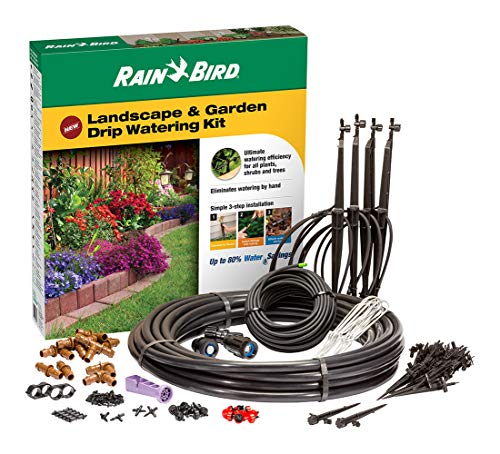
Comprehensive 108-piece kit for flower beds, gardens and landscaped areas; eliminates hand watering, saves time and money
Pest Management for Armenian Cucumbers
Effective pest management is crucial for cultivating Armenian cucumbers successfully. This unique variety can be susceptible to various pests that may threaten its growth and yield. Understanding the specific challenges and implementing targeted strategies will help ensure a healthy and productive harvest.
Armenian cucumbers can attract various pests. Identifying and managing these threats is essential for a healthy crop.
| Pest | Symptoms | Control Measures |
|---|---|---|
| Aphids | Curling leaves | Spray with insecticidal soap |
| Cucumber beetles | Chewed leaves | Use row covers or traps |
| Spider mites | Yellowing leaves | Increase humidity and spray water |
Regularly inspect plants for signs of pests. Early detection allows for more effective treatment.
Optimal Harvest Timing for Armenian Cucumbers
Timing is crucial when it comes to harvesting Armenian cucumbers to ensure peak flavor and texture. Understanding the signs of ripeness will help you gather your crop at the right moment, maximizing both taste and yield. This section will guide you on how to determine the optimal time for harvesting this unique variety.
Timing is crucial when harvesting Armenian cucumbers. They should be picked when they reach 12 to 15 inches in length for the best flavor.
Gently twist the cucumber off the vine to avoid damaging the plant.
Harvest in the morning when temperatures are cooler for maximum crispness.
Store harvested cucumbers in a cool, dry place to maintain freshness.
Essential Strategies for Armenian Cucumber Yield
Growing Armenian cucumbers can be rewarding, but achieving a bountiful harvest requires specific strategies tailored to their unique needs. This section outlines essential techniques that will help you maximize yield and ensure healthy plants, from optimal planting conditions to effective pest management. Implementing these practices will set you on the path to mastering this distinctive variety.
To maximize your yield, consider the following strategies:
Rotate crops annually to prevent soil depletion.
Ensure adequate sunlight exposure by pruning surrounding plants.
Maintain a consistent watering schedule to prevent stress.
Monitor growth regularly and adjust care as needed. This attention will lead to a bountiful harvest of Armenian cucumbers.
