

Have you ever wondered how long it takes for lettuce seeds to sprout and grow into those crisp, delicious greens? If you’re eager to start your own garden or simply want to know when to expect your harvest, you’re not alone. Many gardeners face the same question, and the answer can vary based on a few key factors.
Key Takeaways
- Germination Duration: Lettuce seeds typically take 7 to 14 days to germinate, contingent upon optimal moisture and temperature conditions.
- Seedling Transition: Following germination, the seedling stage lasts about 2 to 3 weeks, requiring 12 to 16 hours of sunlight and consistent soil moisture.
- Soil Temperature Importance: Ideal soil temperatures for lettuce should be maintained between 60°F and 70°F to promote healthy growth; extremes can hinder germination.
- Watering Practices: Consistent moisture is vital; water once or twice a week, ensuring soil is moist but not oversaturated to prevent root rot.
- Varietal Differences: Lettuce varieties differ in growth times; leaf lettuce can be harvested in 30 to 45 days, while head lettuce may take 70 to 100 days to mature.
- Optimal Conditions: To maximize growth, ensure well-drained soil, adequate sunlight, and regular monitoring of soil moisture to avoid issues like bolting or disease.
Understanding Lettuce Growth Phases
Lettuce growth occurs in distinct phases. Each stage impacts how long it takes for you to enjoy your fresh greens.
Germination Stage
Germination lasts 7 to 14 days. During this time, seeds absorb moisture and swell, eventually splitting open. It’s crucial to provide consistent moisture and warmth—ideally, soil temperatures between 65°F and 75°F. You can enhance germination by soaking seeds in water for a few hours before planting. This process kickstarts the growth.
Seedling Stage
The seedling stage follows germination and typically lasts 2 to 3 weeks. Young lettuce plants develop their first true leaves. It’s vital to ensure they receive enough sunlight—about 12 to 16 hours daily yields healthy seedlings. Keep soil moist but not waterlogged to promote strong root systems. If you notice overcrowding, consider thinning seedlings to give each plant ample space to thrive.
Factors Affecting Growth Time
Several factors influence how long it takes for lettuce seeds to grow. Understanding these elements can help you optimize the growth process and achieve better yields.
Recommended Products

PRECISE SOIL TEMPERATURE READINGS: Measures soil temperatures from 20 degrees F to 180 degrees F (0 degrees C to 80 degrees C) with a large, easy-to-read analog dial face - no batteries or digital screens needed for reliable results every time

Easy-to-read green, yellow, and red tick marks for easy monitoring
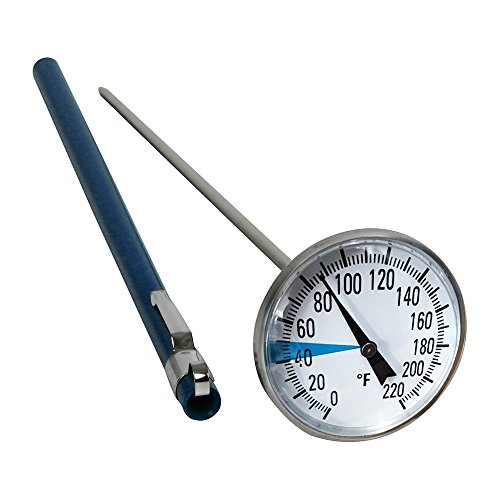
PRACTICAL SOLUTION - While other Soil Thermometers can’t tell the correct temperature, fogs up, and get broken easily, our soil thermometer has high precision performance, high-visibility, and is designed to last
Soil Temperature
Soil temperature significantly impacts lettuce seed germination and growth rates. Ideal soil temperatures for lettuce range from 60°F to 70°F. At temperatures below 40°F, germination slows markedly. If soil temperatures exceed 75°F, seeds may not germinate effectively. For best results, monitor your soil temperature using a reliable soil thermometer. If temperatures are too low or too high, consider using row covers or planting in shades to create a more suitable environment.
Watering Practices
Watering practices also play a crucial role in lettuce growth. Consistent moisture encourages quicker germination and healthier seedlings. It’s essential to keep the soil evenly moist, especially during the germination phase. Watering once or twice a week is often sufficient, depending on your local climate conditions. Avoid overwatering, as this can lead to root rot. To check soil moisture, stick your finger about an inch into the soil; if it feels dry, it’s time to water. Use drip irrigation or a soaker hose for better moisture control and to prevent water from splashing on the leaves, which can promote diseases.
Varieties of Lettuce
Various lettuce types exist, each with unique growth characteristics and flavor profiles. Understanding these varieties can enhance your gardening experience.
Leaf Lettuce
Leaf lettuce, known for its delicate leaves and quick growth, is a popular choice among gardeners. Common types include Butterhead, Romaine, and Looseleaf. You can harvest leaf lettuce within 30 to 45 days after planting. For optimal growth, ensure consistent moisture and ample sunlight.
Head Lettuce
Head lettuce forms tightly packed leaves, creating a dense head. Popular varieties include Iceberg and Buttercrunch. Head lettuce typically requires 70 to 100 days to mature fully. For the best results, provide well-drained soil and monitor water levels to prevent bolting in warmer weather.
Timeline for Lettuce Seed Growth
Lettuce seeds progress through distinct growth phases, with each phase contributing to the overall timeline. Understanding the timeframes helps you plan your gardening schedule effectively.
Recommended Products

Complete Lettuce Garden Starter Kit Indoor – 5 heirloom salad and green seed packets, 8 biodegradable soil disks, 8 plant markers, and 8 starter pots. Romaine, Spinach, Arugula, Kale and Buttercrunch lettuce heirloom seeds are the star of the set!

EASIER SEED STARTING: Our Burpee SuperSeed tray with 8 extra-large flexible pop-out cells is designed to simplify indoor seed starting. Just add seed starting mix, seeds, water and light to get growing! Perfectly sized for starting seeds in the windowsill: 11.5" x 5-3/16" x 2-1/4". Rows are labeled alphanumerically for seedling identification with included Plant-o-Gram diagram.

Vegetable seeds variety pack: Grow 35 varieties of leafy greens, root vegetables, tomatoes, peppers, beans, peas, squash, melons, and more. Includes 16,000+ vegetable seeds for planting outdoors in raised beds, garden rows, or containers.
Average Timeframes
Lettuce seeds typically germinate within 7 to 14 days. After germination, they enter the seedling stage, which lasts about 2 to 3 weeks. During this time, the young plants develop their first true leaves, marking significant growth. You can expect to harvest leaf lettuce within 30 to 45 days after planting, while head lettuce usually requires 70 to 100 days to reach maturity. Specifically, varieties like Iceberg and Buttercrunch fall into these categories, with their growth rates varying based on the conditions they face.
Conditions for Optimal Growth
Several conditions enhance lettuce growth. Maintaining soil temperatures between 60°F and 70°F promotes healthy germination. If temperatures dip below 40°F, germination slows; above 75°F, it may fail altogether. Consistent soil moisture is crucial for quicker germination. Check moisture levels regularly. Keep the soil evenly moist, but avoid overwatering, which can suffocate roots. Providing ample sunlight—at least 6 to 8 hours a day—also aids in developing sturdy seedlings. For best results, use well-drained soil and consider methods like drip irrigation to maintain optimal conditions while minimizing risks of bolting or disease.
Conclusion
Growing lettuce can be a rewarding experience that brings fresh flavors to your table. By understanding the growth timeline and providing the right conditions you can enjoy a bountiful harvest. Remember to keep an eye on soil temperature and moisture levels to ensure your seeds sprout and thrive.
Whether you’re opting for quick-growing leaf varieties or the more time-consuming head lettuces patience and care will pay off. With a little love and attention your garden can flourish and you’ll be enjoying homegrown salads in no time. Happy gardening!
Frequently Asked Questions
How long does it take for lettuce seeds to germinate?
Lettuce seeds typically take 7 to 14 days to germinate. This period depends on consistent warmth and moisture levels in the soil.
What are the stages of lettuce growth?
Lettuce growth includes two main stages. The germination stage lasts 7 to 14 days, followed by the seedling stage, which takes 2 to 3 weeks for young plants to develop their first true leaves.
What temperature is ideal for growing lettuce?
The ideal soil temperature for growing lettuce is between 60°F and 70°F. Germination can slow below 40°F and may fail above 75°F.
How often should I check soil moisture for lettuce?
Regularly check the soil moisture to maintain consistent levels, as it is crucial for quick germination. Consider using methods like drip irrigation to help manage moisture effectively.
When can I harvest different types of lettuce?
Leaf lettuce can be harvested within 30 to 45 days, while head lettuce generally requires 70 to 100 days to fully mature.
What environmental conditions affect lettuce growth?
Key factors include soil temperature, moisture levels, and sunlight exposure. Lettuce needs well-drained soil and at least 6 to 8 hours of sunlight daily for optimal growth.
