

Have you ever wondered how quickly you can enjoy fresh lettuce from your own hydroponic garden? Growing lettuce hydroponically is a fantastic way to produce crisp greens right at home, but the timing can be a bit tricky.
Key Takeaways
- Fast Growth: Hydroponic lettuce typically matures in 4 to 6 weeks, significantly quicker than traditional soil methods.
- Optimal Conditions: Maintain ideal lighting (12-16 hours), temperature (60°F to 70°F), and humidity (50% to 70%) for optimal growth.
- Nutrient Management: Use a balanced nutrient solution tailored for leafy greens and keep pH levels between 5.5 and 6.5 to enhance nutrient absorption.
- Space Efficiency: Hydroponics allows for lettuce cultivation in small spaces, making it perfect for urban gardening.
- Pest Reduction: Growing without soil minimizes the risk of soil-borne pests and diseases, resulting in healthier plants.
- Variety Selection: Choose from popular varieties like Butterhead, Romaine, or Leaf lettuce for the best hydroponic results.
Understanding Hydroponic Lettuce Growth
Hydroponic lettuce growth provides a fast and efficient way to produce fresh greens at home. Understanding the process and its advantages can enhance your gardening experience.
What Is Hydroponics?
Hydroponics is a method of growing plants without soil. Instead of dirt, plants receive all essential nutrients directly from a nutrient-rich water solution. This technique allows for precise control over the growing environment, leading to quicker growth. Common systems include nutrient film technique (NFT), deep water culture (DWC), and aeroponics.
Benefits of Hydroponic Lettuce
Hydroponic lettuce offers several benefits:
- Faster Growth: Lettuce typically matures in 4 to 6 weeks, compared to 6 to 8 weeks in soil.
- Space Efficiency: You can grow lettuce in small spaces, like countertops or balconies.
- Resource Conservation: Hydroponics uses up to 90% less water than traditional farming.
- Fewer Pests: Growing without soil minimizes the risk of soil-borne pests and diseases.
- Nutrient Control: You can adjust nutrient levels easily, ensuring plants receive optimal nutrition.
By adopting hydroponics, you’ll enjoy a rewarding gardening experience while maximizing your yield in less time.
Factors Affecting Growth Time
Several factors can influence how long it takes to grow lettuce hydroponically. Understanding these elements helps you optimize growing conditions for faster yields.
Environmental Conditions
Light, temperature, and humidity play crucial roles in lettuce growth.
- Light: Lettuce thrives in bright light. Aim for 12 to 16 hours of light daily using full-spectrum LED grow lights. Insufficient light can slow growth and result in leggy plants.
- Temperature: Ideal temperatures range from 60°F to 70°F (15°C to 21°C). Too high or too low temperatures stress the plants, causing delayed growth or bolting.
- Humidity: Maintain humidity levels around 50% to 70%. High humidity can lead to mold, while low levels may cause the plants to dry out.
Nutrient Supply
A balanced nutrient solution directly impacts lettuce growth.
- Nutrient Composition: Use a nutrient mix tailored for leafy greens, including nitrogen, phosphorus, potassium, calcium, and magnesium. Each nutrient supports different growth stages, so follow the concentration recommendations strictly.
- pH Levels: Keep pH between 5.5 and 6.5 for optimal nutrient absorption. Use a pH meter to monitor and adjust levels as needed.
- Water Quality: Clean, chlorine-free water ensures nutrient efficiency. If using tap water, let it sit for 24 hours to allow chlorine to dissipate before use.
By managing these factors, you’ll ensure faster and healthier lettuce growth in your hydroponic system.
Typical Growth Timeline
Growing lettuce hydroponically involves several stages, each with its own timeline. Knowing these stages helps you manage your growing process more efficiently.
Recommended Products

High planting efficiency: Start an indoor herb garden with the Ahopegarden hydroponic growing system, which includes a water reservoir, an overhead LED grow light, and a circulation system that keeps the water fresh. The hydroponic setup and lighting systems allow plants to grow up to faster and healthier in controlled conditions. Simply add plant seeds, water, and nutrients to the reservoir and watch the plants grow

High planting efficiency: Start an indoor herb garden with the Ahopegarden hydroponic growing system, which includes a water reservoir, an overhead LED grow light, and a circulation system that keeps the water fresh. The hydroponic setup and lighting systems allow plants to grow up to faster and healthier in controlled conditions. Simply add plant seeds, water, and nutrients to the reservoir and watch the plants grow

HARVEST ANYWHERE & ANYTIME: Indoor gardening system efficient 24-watt LED grow light simulates optimal effects of sunlight. Technology optimized for plants, herbs garden LED panel can be adjusted to 180° maximum and 21inches maximum height, plants receive more illumination area, maximize photosynthesis, and also more convenient for pruning branch leaves. Hydroponics plants grow 5 times faster than soil, harvest fresh all year round
Seed Germination Stage
Seed germination typically takes 2 to 7 days. During this stage, you should maintain warm temperatures of around 70°F to 75°F. Keep the growing medium moist but not overly saturated. Ensure your seeds receive cover for warmth and humidity. Check daily for sprouting; once the seeds sprout, uncover them to provide light.
Vegetative Growth Phase
The vegetative growth phase lasts approximately 3 to 4 weeks. This stage includes the development of leaves and roots. Provide 12 to 16 hours of bright, direct light each day. Maintain temperature between 60°F to 70°F and keep humidity around 50% to 70%. Fertilize with a nutrient solution appropriate for leafy greens. Monitor for pests and make adjustments as needed.
Harvesting Period
The harvesting period occurs 4 to 6 weeks after germination. You’ll know your lettuce is ready when the leaves are vibrant and full-size for your variety. To harvest, use a sharp knife or scissors to cut leaves at the base. Cut what you need without fully uprooting the plant for continuous growth. Enjoy your fresh lettuce in salads or sandwiches.
Tips for Successful Hydroponic Lettuce Cultivation
Successful hydroponic lettuce cultivation depends on several critical factors. You can enhance your results and enjoy fresh greens with careful planning and attention to detail.
Recommended Products

5 TIMES FASTER GROW: Hydroponics growing system with a 24-watt LED light that simulates the effects of sunlight which promotes photosynthesis for plants. Even if leave indoor garden in a corner, plants also germinate and grow quickly. Harvest fresh all year round. indoor herb garden LED panel can be adjusted to 180°maximum and 21 inches maximum height. Compact design fits on any windowsill or kitchen shelf, gardening gifts for women

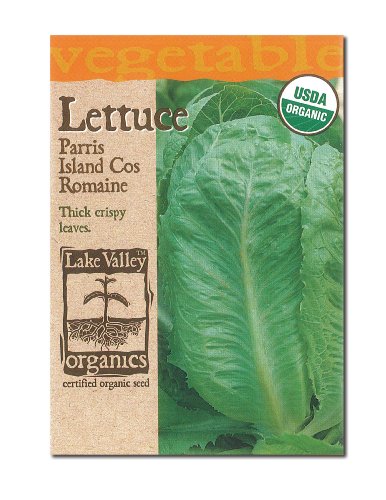
This lake valley organics lettuce seed packet is usda certified organic and non-gmo
Choosing the Right Variety
Selecting the right lettuce variety matters. Popular options include Butterhead, Romaine, and Leaf lettuce. These varieties thrive in hydroponic systems. For example, Butterhead offers a tender texture and sweet flavor, ideal for salads. Romaine stands tall and crisp, perfect for sandwich toppings. Identify your preferences and growth conditions to choose the best fit.
Optimal Growing Conditions
Maintaining optimal growing conditions is essential for hydroponic lettuce health.
- Light: Provide 12 to 16 hours of bright light daily using full-spectrum LED grow lights.
- Temperature: Maintain temperatures between 60°F to 70°F for optimal growth.
- Humidity: Keep humidity levels around 50% to 70% to prevent leaf damage and encourage healthy growth.
- Nutrients: Use a balanced nutrient solution tailored for leafy greens, monitoring pH levels consistently between 5.5 and 6.5.
You can promote rapid growth and high yields through these controlled conditions. Engage regularly with your system’s environment, adjusting as necessary for consistent results.
Conclusion
Growing lettuce hydroponically can be a fun and rewarding experience. With the right conditions and a bit of patience you can enjoy fresh greens in just 4 to 6 weeks. By paying attention to light temperature and nutrient balance you’ll set yourself up for success.
Don’t forget to choose the right lettuce variety that suits your taste and needs. As you dive into hydroponic gardening keep experimenting and adjusting your setup to find what works best for you. Soon enough you’ll be harvesting your own delicious lettuce right from your home. Happy gardening!
Frequently Asked Questions
What is hydroponic lettuce growing?
Hydroponic lettuce growing is a method of cultivating lettuce without soil, using a nutrient-rich water solution. This technique allows for better control over growing conditions, resulting in faster growth and higher yields.
How long does it take for hydroponic lettuce to grow?
Hydroponic lettuce typically matures in 4 to 6 weeks, which is quicker than the 6 to 8 weeks needed for soil-grown lettuce. Factors like light, temperature, and nutrients can affect growth time.
What are the ideal conditions for growing hydroponic lettuce?
The ideal conditions include 12 to 16 hours of bright light daily, temperatures between 60°F and 70°F, and humidity levels around 50% to 70%. Balancing these factors is crucial for optimal growth.
What types of lettuce are best for hydroponic systems?
The best lettuce varieties for hydroponic systems include Butterhead, Romaine, and Leaf lettuce. These types adapt well to hydroponic growing conditions and yield delicious results.
How can I ensure successful hydroponic lettuce growth?
To ensure success, focus on maintaining optimal light, temperature, humidity, and a balanced nutrient solution. Regularly monitor the environment and make adjustments as needed for rapid growth.
