

Have you ever wondered how long it takes for that fresh, crisp lettuce to grow from tiny seeds? If you’re planning to start your own garden or just curious about the process, you’re not alone. Many people want to know how to time their planting for the best harvest.
Growing lettuce can be a rewarding experience, but understanding the timeline is key. This article will guide you through the different stages of growth and help you figure out when to expect your first leaves. With the right knowledge, you’ll be able to enjoy homegrown lettuce in no time.
Key Takeaways
- Germination Timeline: Lettuce seeds typically sprout within 7 to 14 days, depending on temperature and soil moisture conditions.
- Seedling Stage: After germination, the seedling development phase lasts about 3 to 4 weeks, requiring at least 12 to 16 hours of sunlight daily.
- Growth Influencers: Key factors affecting lettuce growth duration include optimal temperatures (60°F to 70°F) and nutrient-rich, well-draining soil.
- Variety Differences: Different lettuce varieties have unique growth timelines: Leaf lettuce matures in 30 to 45 days, while Romaine and Butterhead lettuce take 60-75 days and 55-70 days, respectively.
- Seasonal Timing: Timing your planting based on seasonal conditions enhances success—spring is ideal, while summer may require heat-resistant varieties.
- Best Practices: Regular watering (about 1 inch weekly) and proper fertilization every three weeks are essential for healthy lettuce growth and maximum yield.
Understanding Lettuce Growth Stages
Understanding the growth stages of lettuce is crucial for successful cultivation. This knowledge allows you to optimize your gardening efforts and enjoy a bountiful harvest.
Germination Phase
During the germination phase, lettuce seeds typically sprout within 7 to 14 days. Factors like temperature, moisture, and soil quality affect this timeline. Ensure your soil remains consistently moist but not waterlogged. For quicker germination, maintain a temperature between 65°F and 75°F. Once seeds absorb water, they expand and break through their seed coat, signaling the start of growth.
Seedling Development
Seedling development follows germination and lasts about 3 to 4 weeks. In this stage, small leaves, called cotyledons, emerge first. These leaves store nutrients for the plant’s early growth. Provide ample sunlight, at least 12 to 16 hours daily, to strengthen seedlings. You can use grow lights if natural sunlight is insufficient. Thinning seedlings to 4 to 6 inches apart helps promote healthy growth by reducing competition for resources.
Factors Affecting Growth Duration
Multiple factors influence how long it takes for lettuce to grow from seeds. You’ll want to consider temperature requirements and soil conditions, as both play essential roles in the growth timeline.
Recommended Products

PRECISE SOIL TEMPERATURE READINGS: Measures soil temperatures from 20 degrees F to 180 degrees F (0 degrees C to 80 degrees C) with a large, easy-to-read analog dial face - no batteries or digital screens needed for reliable results every time

Easy-to-read green, yellow, and red tick marks for easy monitoring
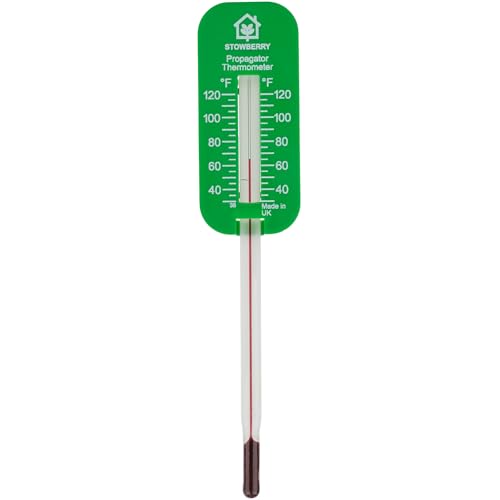
ACCURATE SOIL TEMPERATURE READINGS – Ensure the perfect growing environment for seeds and plants with this greenhouse soil thermometer, designed to give reliable and precise temperature measurements.
Temperature Requirements
Optimal temperatures enhance lettuce growth. Temperatures between 60°F to 70°F (15°C to 21°C) encourage faster germination and seedling development. Cooler temperatures can delay germination, while excessive heat above 80°F (27°C) causes bolting, resulting in a bitter taste. Starting seeds indoors or using cloches can help maintain desirable temperatures.
Soil Conditions
Nutrient-rich, well-draining soil is crucial for healthy lettuce. Loose soil encourages root development and allows moisture retention. Aim for a soil pH between 6.0 and 6.8. Incorporating organic matter, like compost, enhances soil fertility and structure. Test your soil before planting to ensure it meets these criteria, improving growth duration and overall yield.
Typical Growth Timeline
Lettuce growth varies based on several factors, including variety and environmental conditions. Understanding the growth timeline helps you plan your gardening tasks effectively.
Recommended Products

YEAR-ROUND GARDEN FAVORITE – Dependable butterhead lettuce that thrives in cool or moderate weather for consistent harvests from spring through fall, even under cover in winter

4 Popular Heirloom Lettuce Varieties: Includes Red Romaine, Bibb Butterhead, Black Seeded Simpson, and Green Ice lettuce seeds to grow crisp, tender, and colorful salad greens with balanced flavor, texture, and visual appeal.

🥬 Winter Density Lettuce: 65 days until Maturity. Latin Name: Lactuca sativa. Open Pollinated. The plant produces heavy yields of dark green romaine lettuce. Leaves are tightly folded and have a delicious sweet flavor. Lettuce retains its crisp sweetness best when harvested in the morning.
Timeframe for Different Varieties
Different lettuce varieties have distinct growth timelines. Here are a few examples:
- Leaf Lettuce: Germinates within 7 to 10 days and matures in 30 to 45 days.
- Romaine Lettuce: Germinates around 7 to 14 days and reaches maturity in 60 to 75 days.
- Butterhead Lettuce: Takes about 7 to 14 days to germinate and matures in 55 to 70 days.
Selecting the right variety for your climate and timing ensures a successful harvest.
Seasonal Considerations
Seasonal factors significantly influence growth. Here’s what to consider:
- Spring: Ideal for starting lettuce seeds outdoors. Fertile, cool soil temperatures boost germination.
- Summer: Heat spikes can lead to bolting. Consider planting heat-resistant varieties or providing shade.
- Fall: Extend your growing season by starting lettuce seeds early. Cool temperatures promote crisp leaves.
Timing your planting based on the season increases the chances of a successful lettuce crop.
Tips for Successful Lettuce Cultivation
Successful lettuce cultivation hinges on proper care and attention. Focus on consistent watering and nutrient management to maximize growth potential.
Recommended Products

Accurate Soil Moisture Detection: The XLUX Soil Moisture Meter can tell you if the soil deep inside your pot or garden is dry, moist or wet; whereas your eyes and fingers can only determine the moisture level of the soil surface. The probe is 5.5 inches (14 cm) longer than regular styles, allowing it to measure the soil moisture at the bottom of larger and deeper flower pots.
Dimensions: 0.4 x 0.3 x 4.7 inches (small) - Intended for pot sizes of 2, 2.5, and 3 - Ideal for small succulents

【SAVE YOUR PLANTS】: Over watering can cause problems with your plants or even kill them. This soil moisture meter helps you know the soil is dry, moist or wet.No more over watering!
Watering Practices
Water lettuce regularly to maintain consistent soil moisture. Aim for about 1 inch of water per week, adjusting based on weather conditions.
- Check Soil Moisture: Stick your finger into the soil; if it feels dry at a depth of 1 inch, it’s time to water.
- Water Deeply: Water the plants thoroughly to encourage deep root growth while avoiding overhead watering to prevent diseases.
- Mulch: Use organic mulch to retain moisture and suppress weeds around the plants.
Nutrient Management
Lettuce thrives in nutrient-rich soil, so proper fertilization is crucial.
- Soil Preparation: Mix compost into the soil before planting. Aim for 2 to 4 inches of compost for optimal results.
- Fertilizer Type: Use a balanced fertilizer with equal parts nitrogen, phosphorus, and potassium. Look for a 10-10-10 or 15-15-15 formulation.
- Fertilize Regularly: Apply fertilizer every three weeks to support growth, especially during the early stages.
- Monitor Growth: Watch for signs of nutrient deficiency, such as yellowing leaves. Adjust your fertilization schedule as needed.
By following these practiced techniques, you can enhance your lettuce growth and enjoy a bountiful harvest.
Conclusion
Growing lettuce from seeds can be a rewarding experience that brings fresh flavors to your kitchen. With the right care and attention to the growth timeline you can enjoy a bountiful harvest in just a few weeks. Remember to monitor temperature and soil conditions to keep your lettuce thriving.
By choosing the right variety and planting at the optimal time you’ll set yourself up for success. So grab those seeds and get started on your gardening journey. You’ll be amazed at how satisfying it is to enjoy your very own homegrown lettuce. Happy gardening!
Frequently Asked Questions
How long does it take for lettuce seeds to germinate?
Lettuce seeds typically germinate within 7 to 14 days, depending on factors like temperature, moisture, and soil quality. Providing optimal conditions will help speed up the germination process.
What are the stages of lettuce growth?
Lettuce growth consists of several stages: germination, seedling development, and maturity. Germination occurs first, followed by the emergence of cotyledons in the seedling stage, lasting about 3 to 4 weeks, before reaching maturity.
What conditions are best for growing lettuce?
Lettuce thrives in temperatures between 60°F to 70°F (15°C to 21°C) and needs nutrient-rich, well-draining soil. A soil pH of 6.0 to 6.8 enhances growth, making regular testing and soil amendment important.
When is the best time to plant lettuce?
Spring is the ideal time to start lettuce seeds outdoors. However, starting seeds in fall can extend the growing season. Be cautious of summer heat, which can lead to bolting.
How should I water my lettuce?
Regular watering is crucial for lettuce, aiming for about 1 inch of water per week. Check soil moisture by sticking a finger into the soil and deep watering helps promote healthy root growth.
What nutrients does lettuce need?
Lettuce benefits from nutrient-rich soil. Mixing compost into the soil before planting and using a balanced fertilizer every three weeks supports healthy growth and yields.
How do I prevent bolting in lettuce?
To prevent bolting, ensure lettuce is grown in optimal temperatures (60°F to 70°F) and avoid excessive heat. Regular watering and selecting bolt-resistant varieties can also help.
