

Have you ever wondered how long it takes for lettuce to grow from seed to salad? If you’re thinking about starting your own garden or simply curious about the process, you’re not alone. Many home gardeners face the challenge of timing their crops just right, especially when it comes to crisp, fresh lettuce.
Key Takeaways
- Growth Time Varieties: Different lettuce types have varying growth periods; Leaf Lettuce matures in 30-45 days, Romaine in 70-75 days, and Iceberg in 75-80 days.
- Optimal Conditions: Lettuce thrives in cool temperatures (60°F to 70°F), requiring 12-14 hours of light and well-draining, nutrient-rich soil for best growth.
- Consistent Care: Regular watering, fertilizing every 3-4 weeks, and vigilant weeding significantly enhance lettuce growth rates and quality.
- Timing for Harvest: Harvest Leaf Lettuce when outer leaves are 4-6 inches tall, while Romaine and Iceberg should be picked when heads feel firm and well-formed.
- Accelerating Growth: Improve growth by using loamy soil, maintaining consistent moisture, and watering early to enhance nutrient uptake and reduce plant stress.
- Germination Phases: Expect germination within 7-12 days after planting, with seedlings developing true leaves shortly after—monitor growth closely for optimal results.
Understanding Lettuce Growth
Lettuce growth depends on various factors, including the variety, environmental conditions, and care you provide. Generally, you can expect different types of lettuce to mature in specific timeframes.
Lettuce Varieties and Their Growth Times
Different lettuce types grow at different rates. Here’s a quick look at some common varieties:
- Leaf Lettuce: These varieties, like Butterhead and Looseleaf, take about 30 to 45 days to harvest. They grow quickly and can be picked repeatedly.
- Romaine Lettuce: Romaine typically matures in 70 to 75 days. It boasts a crunchy texture and grows densely.
- Iceberg Lettuce: This popular variety requires about 75 to 80 days for full growth. It forms tight, round heads as it matures.
Ideal Growing Conditions
Lettuce prefers cool temperatures and needs consistent moisture. Here are essential conditions for optimal growth:
- Temperature: Lettuce grows best at temperatures between 60°F and 70°F. Higher temperatures can cause it to bolt (flower), affecting taste and texture.
- Light: Lettuce needs 12 to 14 hours of light daily. If growing indoors, consider using grow lights to extend daylight.
- Soil: Well-draining, nutrient-rich soil enhances growth. Aim for a pH between 6.0 and 7.0.
Caring for Your Lettuce
Proper care can significantly impact your lettuce’s growth speed and quality. Implement these simple tips:
- Watering: Keep the soil consistently moist but not waterlogged. Water deeply once a week, adjusting for any rainfall.
- Fertilizing: Use a balanced fertilizer every 3 to 4 weeks to promote healthy growth.
- Weeding: Remove weeds regularly to reduce competition for nutrients and water.
Harvesting Lettuce
Knowing when to harvest is crucial. Depending on the variety:
- Leaf Lettuce: Pick outer leaves when they reach 4 to 6 inches tall, allowing inner leaves to continue growing.
- Romaine and Iceberg: Harvest when the heads feel firm and fully formed. Gently twist or cut at the base to remove.
By understanding these growth factors and practicing good care, you make it easier for your lettuce to thrive and reach the plate in no time.
Factors Influencing Lettuce Growth Time
Several factors affect how long it takes for lettuce to grow. Understanding these can help you achieve better results in your garden.
Recommended Products
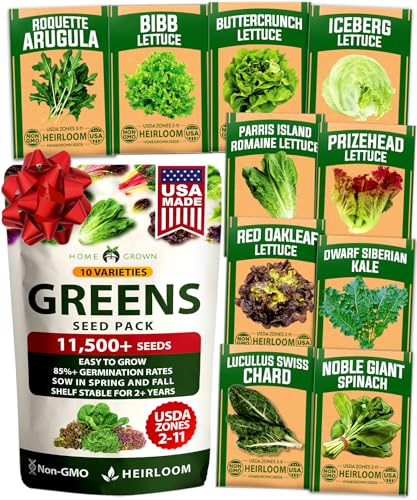
COMPLETE VARIETY PACK: Ten popular lettuce and leafy green varieties; Romaine lettuce seeds, Buttercrunch, Iceberg, Bibb, Red Oakleaf, Prizehead, Kale, Spinach and more; Perfect for organic salad gardens; High 95% germination rate

USDA Certified Organic by Oregon Tilth

Complete Lettuce Garden Starter Kit Indoor – 5 heirloom salad and green seed packets, 8 biodegradable soil disks, 8 plant markers, and 8 starter pots. Romaine, Spinach, Arugula, Kale and Buttercrunch lettuce heirloom seeds are the star of the set!
Variety of Lettuce
Different varieties of lettuce have unique growth timelines. For example:
- Leaf Lettuce: Grows quickly, taking about 30 to 45 days from seed to harvest.
- Romaine Lettuce: Requires more time, maturing in 70 to 75 days.
- Iceberg Lettuce: Takes the longest, needing 75 to 80 days.
Choosing the right variety based on your desired harvest time can optimize your gardening experience.
Growing Conditions
Optimal growing conditions play a significant role in lettuce growth time. Pay attention to these elements:
- Temperature: Lettuce thrives in cool weather, ideally between 60°F to 70°F. Excess heat may slow growth or lead to bolting.
- Light: Ensure 12 to 14 hours of light daily. Insufficient light can delay maturation.
- Soil Quality: Use well-draining, nutrient-rich soil. It supports healthy roots and encourages faster growth.
By providing suitable conditions, you create an environment where lettuce can grow quickly and robustly.
Typical Growth Timeline
Lettuce grows through distinct phases, each with its own time frame. Understanding these phases helps you plan your garden better.
Recommended Products

Reliable Results: The VIVOSUN professional heat mat maintains optimal temperatures around 68-86℉ (20-30℃), perfect for Seedling start and cutting propagation; Made from durable PVC material, it's designed to last
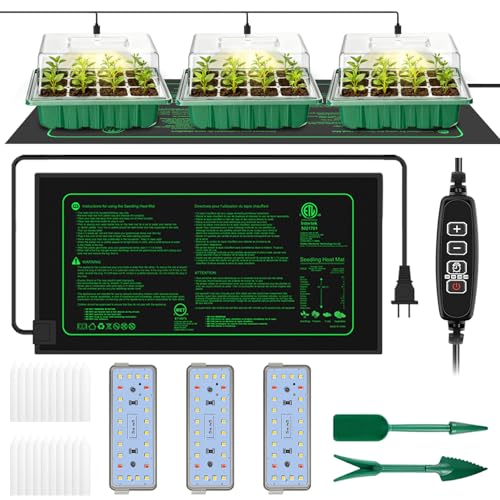
🌱【Most Suitable Temperature】The Durable Seedling Hydroponic Heat Mat provides consistent, uniform heating at temperatures around 70°F to 85°F (24℃ to 30℃), which are the perfect temperatures for seed starting and cutting propagation.High-quality plastic is reusable, recyclable. The seed starter trays are divided into equal 1.96" squares in 1.85" depth for your small or large seeds for flowers, vegetables, fruits, succulents and other plants. It is designed with the proper size holes to allow drainage, while the bottom seedling trays retains overflow water to prevent leaking.

Reliable Results: The VIVOSUN professional heat mat maintains optimal temperatures around 68-86℉ (20-30℃), perfect for Seedling start and cutting propagation; Made from durable PVC material, it's designed to last
From Seed to Germination
Germination starts 7 to 12 days after planting seeds. Proper conditions, including moisture and warmth, encourage quick germination. Keep the soil consistently moist but not waterlogged. After germination, seedlings emerge, showing their first true leaves within another week.
From Germination to Harvest
The time from germination to harvest depends on the lettuce variety. Leaf Lettuce typically matures in 30 to 45 days after germination. Romaine takes 70 to 75 days, while Iceberg requires 75 to 80 days. Monitor growth conditions throughout this period. Ensure adequate sunlight, water, and nutrients. Regularly check for pests and diseases. When the leaves reach your desired size, harvest them gently by cutting or twisting to encourage more growth.
Tips for Accelerating Lettuce Growth
Speed up your lettuce growth by following these practical tips. Focus on providing optimal conditions and maintaining proper care.
Recommended Products

4 Popular Heirloom Lettuce Varieties: Includes Red Romaine, Bibb Butterhead, Black Seeded Simpson, and Green Ice lettuce seeds to grow crisp, tender, and colorful salad greens with balanced flavor, texture, and visual appeal.

Vegetable seeds variety pack: Grow 35 varieties of leafy greens, root vegetables, tomatoes, peppers, beans, peas, squash, melons, and more. Includes 16,000+ vegetable seeds for planting outdoors in raised beds, garden rows, or containers.
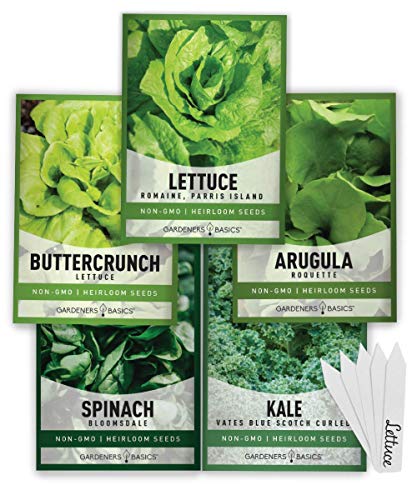
Five leafy greens varieties: Plant Parris Island romaine lettuce seeds, Buttercrunch lettuce seeds, Roquette arugula seeds, Vates Blue Scotch Curled kale seeds, and Bloomsdale spinach seeds. Includes 4,500+ seeds in five separate labeled packets.
Optimal Soil Conditions
Use well-draining, loamy soil for the best results. Aim for soil pH between 6.0 and 6.8. Amend your soil with organic matter, like compost, to improve nutrient content. Mixing in a balanced fertilizer at planting can also support rapid growth. Regularly test your soil each season to ensure it’s rich in nutrients essential for lettuce.
Proper Watering Techniques
Water your lettuce consistently. Soil should remain moist but not waterlogged. Water deeply once or twice a week, especially during dry spells. Early morning is the best time to water, reducing evaporation and plant stress. Consider adding mulch around your plants to retain moisture and suppress weeds. Ensure water reaches the root zone, as roots are vital for nutrient uptake.
Conclusion
Growing lettuce can be a rewarding experience that brings fresh flavors to your meals. By understanding the different varieties and their growth timelines you can plan your garden effectively.
Remember that creating the right conditions is key. With proper light soil and moisture you’ll set the stage for healthy growth.
Whether you’re enjoying Leaf Romaine or Iceberg lettuce your patience will pay off when you finally harvest your homegrown greens. Happy gardening and enjoy the crisp taste of your efforts!
Frequently Asked Questions
How long does it take for lettuce to grow from seed to harvest?
Lettuce growth time varies by type. Leaf Lettuce takes 30 to 45 days, Romaine requires 70 to 75 days, and Iceberg matures in 75 to 80 days. Proper care and optimal conditions can help achieve these timelines.
What factors affect the growth rate of lettuce?
Several factors influence lettuce growth, including the variety chosen, environmental conditions like temperature and light, and the quality of soil. Ensuring well-draining, nutrient-rich soil and adequate care promotes faster growth.
What are the ideal growing conditions for lettuce?
Lettuce thrives in cool temperatures (60°F to 70°F), requiring 12 to 14 hours of light daily. Well-draining, nutrient-rich soil is essential. Consistent watering and fertilizing also contribute to healthy growth.
How do I care for my lettuce plants?
To care for lettuce, water consistently without waterlogging, fertilize regularly with balanced nutrients, and keep the area weed-free. Monitor for pests and diseases to support healthy growth and better yields.
When should I harvest my lettuce?
Harvest lettuce when the leaves reach the desired size for the specific variety. For Leaf Lettuce, cut outer leaves, while for Romaine and Iceberg, gently uproot the whole plant. This encourages further growth.
How can I accelerate the growth of lettuce?
To promote faster lettuce growth, use well-draining loamy soil with a pH between 6.0 and 6.8. Test soil regularly, maintain consistent moisture, and apply mulch to retain water and suppress weeds.
