

Ever wondered how long it takes for those tiny tomato seeds to burst into life? Picture this: you’ve planted your tomato seeds with eager anticipation, but the waiting game begins. Patience is key, but wouldn’t it be great to know exactly when those first green sprouts will emerge?
In this article, we’ll walk you through the fascinating journey of a tomato seed from planting to germination. Discover the factors that influence germination time and learn some tips to speed up the process. By understanding the timeline of tomato germination, you’ll be better equipped to nurture your plants from the very beginning.
Get ready to unlock the secrets of tomato seed germination and set off on a rewarding gardening adventure – starting with that magical moment when new life emerges from a humble seed.
Key Takeaways
- Tomato seeds typically take about 5 to 10 days to germinate under optimal conditions.
- Factors like temperature, moisture levels, planting depth, and seed quality influence tomato seed germination time.
- Maintaining soil temperature between 70-80°F (21-27°C) and adequate moisture levels can expedite germination.
- Variability exists among different tomato varieties, with some heirloom types having longer germination periods.
- Enhancing tomato germination involves focusing on optimal soil temperature, moisture, and considering seed treatment methods like scarification or soaking.
- Troubleshoot slow germination by checking soil moisture, evaluating temperature, inspecting seed quality, providing adequate light, and practicing patience.
Understanding Tomato Germination
Tomato germination is the process through which a tomato seed transforms into a seedling. This crucial stage sets the foundation for your tomato plant’s growth and eventual yield.
What Is Germination?
Germination refers to the sprouting of a seed, signaling the start of a plant’s life cycle. For tomatoes, this process begins when the seed absorbs water and swells, leading to the emergence of a tiny root known as the radicle. As germination progresses, a shoot emerges from the seedling, eventually developing into the main stem of the tomato plant.
Factors That Influence Germination Time
Several factors can impact how long it takes for a tomato seed to germinate:
- Temperature: Tomato seeds germinate best in warm soil temperatures between 70-85°F (21-29°C). Colder temperatures can slow down germination significantly.
- Moisture: Adequate moisture is essential for germination. Ensure that the soil is consistently moist but not waterlogged to support optimal seed sprouting.
- Depth of Planting: Planting depth plays a role in germination time. Tomato seeds should be planted at a depth of about 1/4 inch (6mm) for ideal sprouting conditions.
- Seed Quality: The quality and viability of tomato seeds influence their germination rate. Using fresh, high-quality seeds increases the likelihood of quick and successful germination.
Understanding these factors and providing optimal conditions can help expedite tomato seed germination, setting you on track for a successful gardening experience with your tomato plants.
Typical Germination Time for Tomatoes
When it comes to tomato seed germination, timing is key. Understanding the typical germination time for tomatoes can help you plan your gardening activities effectively. Let’s explore what the research says and the variability in germination times to give you a clear picture.
Recommended Products

Reliable Results: The VIVOSUN professional heat mat maintains optimal temperatures around 68-86℉ (20-30℃), perfect for Seedling start and cutting propagation; Made from durable PVC material, it's designed to last

✓ Consistent & Uniform Heating: BN-LINK seedling heat mat for seed starting maintains temperatures around 70–85℉, creating ideal conditions for seed starter and cutting propagation, speeding up seed germination and accelerating seedlings growth. The advanced heating film with double insulation layers ensures even heat and prevents scorching roots.
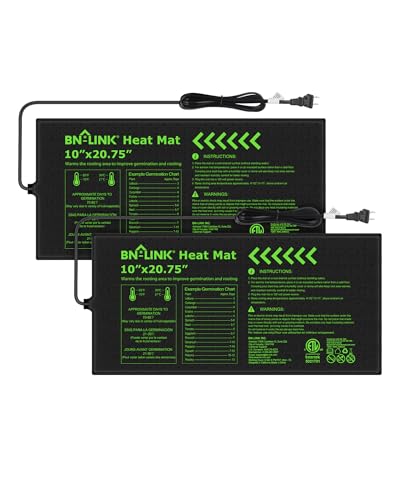
IDEAL GERMINATION TEMPERATURE: The BN-LINK seedling heat mats for seed starting helps maintain temperatures around 70°F to 85°F, the optimal range for seed germination, cutting propagation, and healthy seedling growth. Achieve faster germination and higher growth rates with seed heating mat.
What the Research Says
Tomato seeds are known for their relatively quick germination compared to other plants. On average, tomato seeds take about 5 to 10 days to germinate under optimal conditions. Factors such as temperature, moisture levels, and seed quality play significant roles in determining the exact germination time.
Research indicates that maintaining a consistent soil temperature between 70-80°F (21-27°C) can expedite tomato seed germination. Additionally, ensuring adequate moisture without overwatering is crucial for successful sprouting. High-quality seeds from reputable sources are more likely to germinate within the expected timeframe.
Variability in Germination Times
While the average germination time for tomatoes falls within the 5 to 10-day range, it’s essential to note that variability exists among different tomato varieties. Some heirloom or specialty tomatoes may have slightly longer germination periods ranging from 7 to 14 days.
Moreover, external factors like soil compaction, inadequate light exposure, or improper planting depth can prolong the germination process beyond the typical timeframe. By addressing these variables and providing optimal growing conditions tailored to your specific tomato variety, you can enhance germination rates and ensure a healthy start for your plants.
Understanding the typical germination time for tomatoes empowers you to make informed decisions during your gardening journey. By applying this knowledge alongside best practices for seed starting, you can nurture robust tomato plants from their earliest stages of growth.
Enhancing Tomato Germination
When it comes to enhancing tomato germination, focusing on optimal soil temperature and moisture is key. These factors play a crucial role in ensuring successful seed germination and healthy plant growth.
Recommended Products

IDEAL GERMINATION TEMPERATURE: The BN-LINK seedling heat mats for seed starting helps maintain temperatures around 70°F to 85°F, the optimal range for seed germination, cutting propagation, and healthy seedling growth. Achieve faster germination and higher growth rates with seed heating mat.

Consistent & Even Heat - Ruyyi plant heating mat provides stable, uniform temperatures that ensures the root area of seedlings remains between 70℉ and 85℉ to ensure growth and increased germination,also ideal for seed starting and cuttings

MET CERTIFIED SEEDLING HEAT MAT: MET safety certified;Comply with UL 499;CSA C22.2 No.64
Optimal Soil Temperature and Moisture
To enhance tomato germination, aim for a soil temperature of around 75-85°F (24-29°C). This range provides the ideal conditions for seeds to sprout. Additionally, maintaining consistent moisture levels in the soil is vital. You want the soil to be moist but not waterlogged. Keep an eye on watering frequency to ensure the seeds have enough moisture for germination without drowning them.
Seed Treatment Methods
Consider seed treatment methods like scarification or soaking to enhance tomato germination rates. Scarification involves nicking the seed coat slightly to help water penetrate more easily, speeding up the germination process. Soaking seeds overnight before planting can also soften the seed coat and promote quicker germination.
By paying attention to these factors and implementing suitable treatments, you can significantly improve tomato germination rates and kickstart your gardening journey successfully.
Common Issues and Troubleshooting
When dealing with slow germination, it’s essential to assess the factors that may be hindering the process. In some cases, slow germination can be attributed to suboptimal conditions or issues with the seeds themselves.
Recommended Products

Reliable Results: The VIVOSUN professional heat mat maintains optimal temperatures around 68-86℉ (20-30℃), perfect for Seedling start and cutting propagation; Made from durable PVC material, it's designed to last
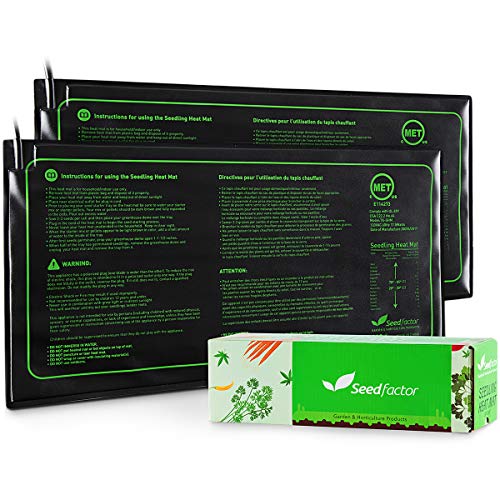
MET safety certified;Comply with UL 499;CSA C22.2 No.64

🌱【Fast and Reliable Seed Germination】The durable seedling heat mat is designed to perfectly match the standard 1020 nursery tray. Whether it's winter frost or unpredictable weather, this grow heating pads for plants can provide your plants with stable and uniform heating at 70-85 ° F | (20-30 ° C), ensuring they grow faster and healthier under both warm and cold conditions. Seed warming mat very suitable for seed germination, micro vegetables, and hydroponic settings
Dealing With Slow Germination
If you notice that your tomato seeds are taking longer than expected to sprout, consider the following steps:
- Check Soil Moisture: Ensure that the soil is consistently moist but not waterlogged. Inadequate moisture levels can delay germination.
- Evaluate Temperature: Verify that the soil temperature remains within the ideal range of 75-85°F (24-29°C). Fluctuations outside this range can impede germination.
- Inspect Seed Quality: Examine the quality of your seeds. Old or low-quality seeds may struggle to germinate effectively.
- Provide Adequate Light: While tomato seeds do not need light to germinate, ensuring adequate light once they sprout is crucial for healthy seedling development.
- Practice Patience: Remember that different tomato varieties have varying germination times; some may naturally take longer than others.
By addressing these factors systematically, you can troubleshoot and potentially accelerate the germination process for your tomato seeds.
Preventing Common Seedling Diseases
To safeguard your tomato seedlings from common diseases during their early growth stages, follow these preventive measures:
- Use Sterile Soil: Start with sterilized potting mix or soil to reduce the risk of introducing harmful pathogens to your seedlings.
- Avoid Overwatering: Excess moisture in the soil can promote fungal diseases in seedlings. Water your plants carefully and allow for proper drainage.
- Promote Air Circulation: Proper air circulation around seedlings helps prevent damp conditions that favor disease development.
- Practice Crop Rotation: If you’ve experienced seedling diseases in previous plantings, consider rotating crops to minimize disease recurrence in new seedlings.
- Monitor Regularly: Keep a close eye on your seedlings for any signs of disease such as discoloration, wilting, or unusual growth patterns.
By implementing these preventive strategies and staying vigilant for any signs of trouble, you can help ensure healthy growth for your tomato seedlings from germination onwards.
Conclusion
You’ve now explored the intricate process of tomato seed germination. Understanding the key factors like temperature, moisture, and seed quality is crucial for successful germination. By being aware of common issues such as slow germination and taking proactive steps to troubleshoot them, you can enhance the growth of your tomato plants. Remember to maintain optimal soil conditions, monitor temperature levels, and ensure seed quality for favorable outcomes. Implementing preventive measures against seedling diseases will further safeguard the health of your tomato plants. With these insights in mind, you’re well-equipped to foster robust germination rates and nurture thriving tomato crops from seed to harvest. Happy gardening!
Frequently Asked Questions
What factors affect tomato seed germination?
Tomato seed germination is influenced by temperature, moisture levels, and seed quality.
How long does it typically take for tomato seeds to germinate?
Tomato seeds usually germinate within 5 to 10 days under optimal conditions.
What can cause slow germination of tomato seeds?
Factors like incorrect soil moisture, low temperatures, or poor seed quality can lead to slow germination.
How can I troubleshoot slow tomato seed germination?
Check soil moisture levels, ensure proper temperature range, and assess the quality of the seeds used.
How can I prevent diseases in tomato seedlings?
Prevent seedling diseases by using sterile soil, avoiding overwatering, promoting air circulation, practicing crop rotation, and regular monitoring.
