

Ever wondered how those vibrant orange carrots end up on your plate? Have you ever thought about the journey they take from seed to harvest? Picture this: a sunny field filled with rows of leafy green tops swaying gently in the breeze, promising a bountiful harvest.
In this article, you’ll uncover the secrets behind growing carrots and gain insights into the fascinating world of agriculture. From selecting the perfect seeds to nurturing the delicate seedlings, you’ll learn the essential steps to cultivate your own crunchy carrots at home. Get ready to embark on a green-thumbed adventure and discover the joys of growing your own fresh produce.
Selecting the Perfect Seeds
When choosing carrot seeds, opt for varieties that suit your local climate and soil type.
Consider factors like carrot size, flavor profile, and maturation time to cater to your preferences.
Look for reputable seed suppliers known for high-quality seeds to ensure a successful harvest.
Prioritize certified organic seeds if you’re aiming for organic produce in your home garden.
Don’t forget to check the seed packet information for guidance on sowing depth and spacing to maximize growth potential.
Recommended Products

Premium Seeds: Tendersweet heirloom carrot variety offering approximately 2600 seeds for extensive garden planting and multiple growing seasons
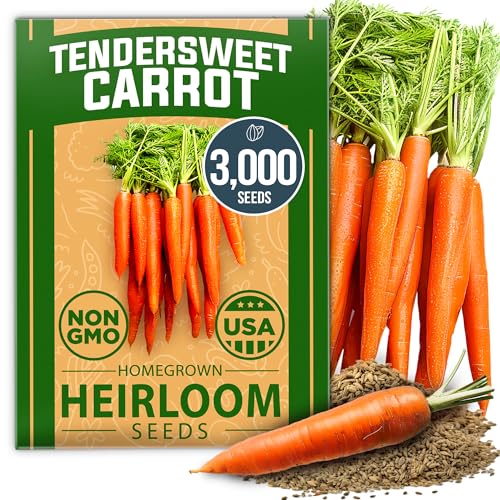
Premium Tendersweet Carrot Seeds: Authentic Open-Pollinated Premium Heirloom Seeds (USA) Non-GMO, Untreated, High Germination Rate. Phenomenal dessert Brix profile. High-impact carotene energy. An outstanding orange monolith for open ground, high ridges, and patio containers. Your garden bed is your pride.

Daucus Carota Sub. Sativus: These finest quality, non-GMO, organic Rainbow Carrot seeds produce a kaleidoscopic array of sweet, juicy carrots that add a dash of color to your favorite dishes and taste great too.
Preparing the Soil
When growing carrots, soil preparation is key to a successful harvest. Here are the steps to set the stage for healthy carrot growth:
- Aim for loose, well-draining soil to prevent waterlogging and allow roots to grow straight.
- Remove rocks and debris to prevent misshapen carrots and make soil cultivation easier.
- Add organic matter like compost to improve soil structure and provide essential nutrients for carrot growth.
- Test soil pH to ensure it falls within the optimal range of 6.0 to 6.8 for carrots.
- Avoid freshly manured soil as it can cause carrots to fork or produce hairy roots.
By following these steps, you’ll create an ideal environment for your carrots to thrive and yield a bountiful harvest.
Recommended Products

Kindly NOTE: This soil tester can not be applied to test pH value of any other liquid. If the soil is too dry the indicator will not move, and water it before testing.

Accurate Soil pH Testing: Dewildetradingco Soil pH Test Strips offer measurements of soil pH levels (pH 3.5-9). As an essential tool for every gardener and grower, these test strips help determine the optimal pH for various plants, such as outdoor plants, indoor plants, gardens, grass lawns, fruit trees, flowers, vegetables, and forest shrubs.

KNOW BEFORE YOU GROW | Grow the healthiest, sustainable lawn and garden with the most accurate and easy to use professional soil test kit on the market
Planting the Carrot Seeds
When it comes to planting carrot seeds, timing is crucial for success. Begin planting two to three weeks before the last spring frost date in your area. Here’s how you can ensure a healthy start for your carrot crop:
- Prepare the Soil: Choose a sunny spot in your garden with loose, well-draining soil.
- Sow the Seeds: Plant the seeds about 1/4 inch deep in rows at least 12 inches apart to allow for proper root development.
- Maintain Moisture: Keep the soil consistently moist but not waterlogged to help the seeds germinate.
- Thin Seedlings: Once the seedlings are about 2 inches tall, thin them out to ensure each carrot has enough space to grow.
Watering and Feeding
When it comes to Watering and Feeding your carrot plants, it’s essential to find the right balance to promote healthy growth. Here are some tips to help you nurture your carrots effectively:
- Watering: Carrots need consistent moisture for proper development. Ensure the soil is evenly moist but not waterlogged. Overwatering can lead to rot, while underwatering can cause stunted growth.
- Feeding: Fertilize your carrot plants sparingly. Excessive fertilizer can result in forked or hairy roots. Choose a balanced fertilizer and apply it according to the instructions on the packaging.
To provide your carrots with the best growing conditions, consider implementing the following practices:
- Use mulch to retain soil moisture and regulate temperature.
- Avoid watering from overhead to prevent foliage diseases.
- Monitor your plants regularly for signs of nutrient deficiency and adjust your feeding schedule as needed.
Remember, a well-hydrated and properly nourished carrot crop is more likely to yield healthy, flavorful roots that you can enjoy at harvest time.
Recommended Products

Grow a Rich Garden: Big A Carrot Fertilizer, your ultimate organic vegetable fertilizer, guarantees a flourishing harvest for all your vegetables, with a special emphasis on carrots. Maintaining 100% organic integrity and enriched with essential nutrients, this fertilizer for vegetable gardens is specifically designed for a thriving garden, ensuring both productivity and safety.

Safe for the Environment: Non-toxic and safe for beneficial insects, pollinators, pets, and the surrounding ecosystem, promoting a healthier garden environment.
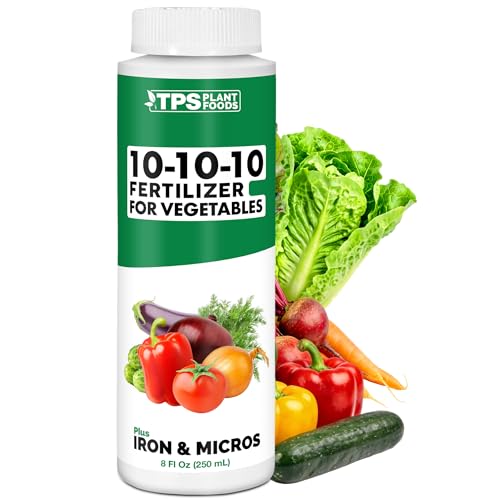
Supports Roots, Foliage & Yield – Helps encourage strong roots, healthy leaves, and productive harvests.
Harvesting the Carrots
To harvest your carrots at the right time, gently loosen the soil around the tops of the carrots before carefully pulling them out. Carrots should ideally be harvested when they reach a mature size and have developed a good color.
Carrots are typically ready to harvest between 50-80 days after planting, depending on the variety. Here are some steps to guide you through the harvesting process:
- Choose a dry day to harvest your carrots to avoid unnecessary moisture on the roots.
- Gently pull the carrots out of the soil by holding the green tops and carefully lifting them.
- Inspect the carrots for firmness, color, and size; they should be crisp, brightly colored, and at the desired size.
Remember, harvesting at the right time ensures that you enjoy fresh, flavorful carrots from your own garden.
Conclusion
You now have the knowledge to grow your own vibrant and delicious carrots. By following proper watering, feeding, and harvesting techniques, you can ensure a bountiful harvest of fresh and flavorful carrots. Remember to gently pull them from the soil when they’re the right size and color. Choose a sunny day for harvesting, and check for firmness and brightness to ensure the best quality. Your efforts will be rewarded with a supply of tasty carrots straight from your garden. Happy gardening!
Frequently Asked Questions
When is the right time to harvest carrots?
Carrots are ready for harvesting once they reach a mature size, good color, and are firm. Gently loosen the soil and pull them out on a dry day for the best results.
How do I know if my carrots are ready to be harvested?
Inspect your carrots for firmness, color, and size. They should be crisp and brightly colored. Once they meet these criteria, you can harvest them for optimal flavor.
Why is it important to harvest carrots at the right time?
Harvesting carrots at the appropriate time ensures that you can enjoy fresh, flavorful carrots from your garden. This also helps maintain the quality and taste of the produce.
