

Have you ever thought about growing your own romaine lettuce but didn’t know where to start? You’re not alone! Many people want to enjoy fresh, crisp salads straight from their backyard but feel overwhelmed by the process.
In this article, you’ll discover simple steps to successfully grow romaine lettuce, whether you have a spacious garden or just a small balcony. You’ll learn how to pick the right seeds, care for your plants, and harvest your greens like a pro. By the end, you’ll be ready to enjoy homegrown romaine in your favorite dishes, making your meals healthier and more satisfying.
Key Takeaways
- Understanding Romaine Lettuce: Romaine lettuce is a nutritious leafy vegetable, low in calories and high in vitamins A, K, and folate, making it an excellent addition to your diet.
- Choosing the Right Variety: Select romaine varieties based on space and flavor preferences, with options like Paris Island Cos and Little Gem catering to different growing conditions.
- Optimal Planting Practices: Plant seeds indoors 4-6 weeks before the last frost or sow directly outdoors 2-4 weeks before the last frost, utilizing well-draining soil with a pH of 6.0 to 6.8.
- Caring for Your Crop: Regular watering (1 to 1.5 inches weekly) and monitoring for pests and diseases are crucial for healthy growth and maximizing your harvest.
- Harvesting Techniques: Harvest romaine lettuce when heads are 6-12 inches tall, look vibrant green, and feel firm, using sharp tools for clean cuts to avoid damaging surrounding plants.
Understanding Romaine Lettuce
Romaine lettuce, also known as cos lettuce, is a popular leafy vegetable celebrated for its crisp texture and robust flavor. Understanding its benefits and varieties helps you grow a thriving crop.
Nutritional Benefits
Romaine lettuce offers numerous health benefits. It’s low in calories yet high in essential nutrients. A one-cup serving (about 47 grams) contains:
| Nutrient | Amount per Cup |
|---|---|
| Calories | 15 |
| Fiber | 1 gram |
| Vitamin A | 81% of Daily Value |
| Vitamin K | 57% of Daily Value |
| Folate | 20% of Daily Value |
| Iron | 2% of Daily Value |
These nutrients support eye health, boost immunity, and contribute to healthy blood clotting. Incorporating romaine into your meals enhances overall nutrition.
Varieties of Romaine Lettuce
Choosing the right variety of romaine lettuce can impact flavor and texture. Common types include:
- Paris Island Cos: Known for its large, crisp leaves and resistance to bolting.
- Little Gem: A compact variety with a sweet flavor, ideal for smaller spaces.
- Crispino: Features dense hearts and strong flavor, perfect for salads.
- Butterhead Romaine: Combines the best traits of butterhead and romaine, offering tenderness with a crunchy bite.
Select varieties based on your space and taste preferences to enjoy fresh, homegrown lettuce.
Preparing for Planting
Preparing for planting romaine lettuce involves selecting the ideal location and ensuring your soil is suitable for growth. Following these guidelines sets the stage for a successful crop.
Recommended Products

Complete Lettuce Garden Starter Kit Indoor – 5 heirloom salad and green seed packets, 8 biodegradable soil disks, 8 plant markers, and 8 starter pots. Romaine, Spinach, Arugula, Kale and Buttercrunch lettuce heirloom seeds are the star of the set!

Kindly NOTE: This soil tester can not be applied to test pH value of any other liquid. If the soil is too dry the indicator will not move, and water it before testing.

Accurate Soil pH Testing: Dewildetradingco Soil pH Test Strips offer measurements of soil pH levels (pH 3.5-9). As an essential tool for every gardener and grower, these test strips help determine the optimal pH for various plants, such as outdoor plants, indoor plants, gardens, grass lawns, fruit trees, flowers, vegetables, and forest shrubs.
Choosing the Right Location
Select a location that receives full sun for at least 6 to 8 hours each day. This exposure promotes healthy growth and vibrant color. Consider placing your plants near taller crops for some afternoon shade in hotter months. Ensure the area has good air circulation to prevent fungal diseases.
Soil and Fertilization Requirements
Use well-draining soil that has a pH between 6.0 and 6.8 for optimal nutrient absorption. Incorporate organic matter, such as compost, to improve soil structure and fertility. Prior to planting, mix a balanced fertilizer into the soil. Aim for a ratio of 10-10-10 or a similar formula to provide essential nutrients. This combination enhances growth and promotes lush, green leaves.
Planting Romaine Lettuce
Planting romaine lettuce involves selecting the right seeds and timing your sowing for optimal growth. Follow these steps for a successful planting experience.
Recommended Products
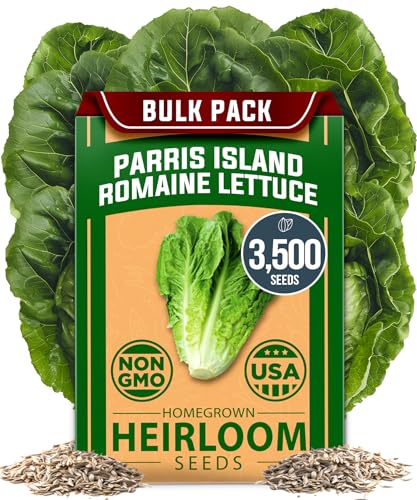
HIGH GERMINATION RATE FOR RELIABLE GROWTH - Our Parris Island Romaine Lettuce Seeds boast an impressive germination rate. High quality and rapid sprouting heirloom lettuce seeds ensuring a bountiful harvest for your vegetable garden.

EASIER SEED STARTING: Our Burpee SuperSeed tray with 8 extra-large flexible pop-out cells is designed to simplify indoor seed starting. Just add seed starting mix, seeds, water and light to get growing! Perfectly sized for starting seeds in the windowsill: 11.5" x 5-3/16" x 2-1/4". Rows are labeled alphanumerically for seedling identification with included Plant-o-Gram diagram.

Disease Resistant Salad Romaine : Parris Island Cos gardening seeds produce tall upright romaine lettuce head growth with crunchy midribs and juicy texture. Mosaic tolerant leaf lettuce seeds for planting outdoors thrive in USDA zones 3–9 with strong field performance.
Seed Selection and Sowing
Choose high-quality romaine lettuce seeds that fit your local climate. Popular varieties include Paris Island Cos and Little Gem. Consider disease resistance and flavor when selecting seeds.
Start sowing seeds indoors 4 to 6 weeks before the last frost date. Sow seeds in seed trays or pots, placing them about ¼ inch deep in well-draining soil. Keep the soil moist. Once seedlings develop at least two sets of true leaves, transplant them outside.
For outdoor sowing, plant seeds directly in your garden bed, spacing them 12 to 18 inches apart. Cover the seeds lightly with soil and keep the area watered. Thin seedlings to provide adequate space for growth once they reach a few inches tall.
Optimal Planting Time
Timing plays a crucial role in the success of your romaine lettuce crop. Aim to plant seeds two to four weeks before your area’s last frost date. In warm climates, sow seeds in early fall for a second harvest.
Romaine lettuce thrives in cooler temperatures, ideally between 50°F and 70°F. If temperatures exceed 75°F, consider using shade cloth to protect plants during hotter months. Monitor your local weather to ensure you plant at the right time for healthy, robust growth.
Caring for Your Romaine Lettuce
Caring for your romaine lettuce involves consistent attention to watering and pest management. Proper care promotes healthy growth and a bountiful harvest.
Recommended Products

Slowly waters the soil around your plants for complete root zone hydration; Ideal for short runs on flat surfaces, such as vegetable gardens, borders, and around small plants

【Even & Consistent Root Watering】Features micro-pore seepage technology that distributes water evenly along the entire hose, transforming spot watering into uniform line watering directly to plant roots. Unlike traditional drip irrigation systems with clog-prone emitters, this soaker hose creates a continuous moisture band for healthier, deeper-rooted plants

The Package Contains: Our drip irrigation kit includes 200ft 1/4'' soaker hose, 100ft 1/4'' irrigation tubing ,1pc 1/2''or 3/4'' faucet adapter,1pc 2-way 1/2''or 3/4'' faucet adapter, 20pcs elbows fittings, 20pcs end plugs,20pcs straight barbs,20pcs oblique barbed tees, 20pcs Landscape Staples.Including everything you need for Garden Plants watering.Make better irrigation system so easily.
Watering Guidelines
Water daily, ensuring the soil remains moist but not soggy. Check the top inch of soil; if it feels dry, it’s time to water. Aim for 1 to 1.5 inches of water each week. Use a soaker hose or drip irrigation for efficient moisture delivery, and water early in the morning to reduce evaporation. Mulching around the base of plants helps retain moisture and regulates soil temperature.
Pest and Disease Management
Inspect your plants regularly for pests like aphids, slugs, and caterpillars. Remove any visible pests by hand or use insecticidal soap as a spray treatment. Encourage beneficial insects like ladybugs, which naturally control pest populations. Monitor for diseases such as downy mildew or root rot. Ensure good air circulation by spacing plants properly and avoid overhead watering to reduce humidity. If diseases appear, remove infected leaves immediately to prevent spread.
Harvesting Romaine Lettuce
Harvesting romaine lettuce involves identifying the right time and using proper techniques to ensure the best flavor and texture. Timely harvests help maximize your yield and provide fresh greens for your meals.
Signs of Readiness
Look for specific signs to determine when your romaine lettuce is ready for harvest.
- Size: Lettuce heads should reach a height of 6 to 12 inches.
- Color: Leaves should display a vibrant green color.
- Firmness: Heads should feel firm when gently squeezed.
- Leaf Texture: Leaves should feel crisp and not wilted.
Harvesting just as these signs appear ensures optimal taste.
Techniques for Harvesting
Use these techniques to harvest your romaine lettuce effectively:
- Cutting: Use a sharp knife or garden scissors to cut the lettuce head at the base. Aim for a clean cut to prevent damaging surrounding plants.
- Hand-Picking: For loose-leaf varieties, you can pick outer leaves individually. This method promotes continuous growth, allowing the plant to produce more leaves.
- Timing: Harvest early in the morning when temperatures are cooler. This method helps preserve freshness and crunchiness.
Follow these tips for a successful harvesting experience, providing you with fresh, homegrown romaine to enjoy in your meals.
Conclusion
Growing your own romaine lettuce can be a rewarding experience that adds fresh flavor to your meals. By following the simple steps outlined in this guide you’ll find that it’s easier than you might think. Whether you have a sprawling garden or just a small balcony there’s always a way to cultivate delicious greens.
Remember to choose the right seeds and provide the care your plants need. With a little patience you’ll be enjoying crisp and nutritious romaine in no time. So grab your gardening tools and get started on this tasty journey. Your taste buds will thank you!
Frequently Asked Questions
How do I choose the right romaine lettuce seeds?
When selecting romaine lettuce seeds, consider your local climate and the variety’s flavor and texture. Popular choices include Paris Island Cos, Little Gem, Crispino, and Butterhead Romaine. Choose high-quality seeds suited to your growing conditions for the best results.
What is the ideal location for growing romaine lettuce?
Romaine lettuce thrives in full sunlight, so choose a location that receives 6 to 8 hours of sunlight daily. Planting near taller crops can provide shade during hotter afternoons, helping to protect your lettuce from heat stress.
What soil conditions are best for growing romaine lettuce?
Romaine lettuce prefers well-draining soil with a pH of 6.0 to 6.8. Incorporate organic matter and a balanced fertilizer to enhance soil quality, promote growth, and ensure lush, green leaves.
How should I water romaine lettuce?
Water romaine lettuce daily to keep the soil consistently moist but not soggy. Aim for 1 to 1.5 inches of water each week, using a soaker hose or drip irrigation for efficient delivery.
When is the best time to plant romaine lettuce?
Plant romaine lettuce 2 to 4 weeks before the last frost date. This cool-season crop thrives in temperatures between 50°F and 70°F, making early spring an ideal planting time.
How do I know when to harvest romaine lettuce?
Harvest romaine lettuce when it reaches a height of 6 to 12 inches and has vibrant green color. Check for firmness when squeezed and crisp leaf texture. The best time to harvest is early morning for maximum freshness.
How can I manage pests while growing romaine lettuce?
Regularly inspect your plants for pests like aphids and slugs. Use insecticidal soap if necessary and encourage beneficial insects. Good air circulation will also help prevent diseases, promoting healthy growth.
What are the nutritional benefits of romaine lettuce?
Romaine lettuce is low in calories and high in essential nutrients like Vitamin A, Vitamin K, and folate. These nutrients support eye health and boost immunity, making it a nutritious addition to meals.
