

Have you ever wondered how much space to give your lettuce plants? If you’ve tried growing your own greens, you know that spacing can make all the difference between a bountiful harvest and a patch of overcrowded plants.
Key Takeaways
- Importance of Spacing: Proper spacing of 12 to 18 inches between lettuce plants ensures healthy growth, airflow, and better access to nutrients.
- Disease Prevention: Adequate distance helps prevent fungal diseases like powdery mildew by promoting good airflow around each plant.
- Nutrient Access: Closer planting leads to competition for nutrients; maintaining recommended spacing maximizes nutrient uptake for larger, more flavorful heads.
- Varietal Differences: Different lettuce types require varying spacing; for instance, head lettuce needs 12 to 18 inches apart, while loose-leaf can suffice with 6 to 12 inches.
- Common Mistakes: Avoid incorrect spacing, ignoring soil quality, and failing to thin seedlings to ensure a successful harvest.
- Optimal Conditions: Adjust spacing based on growing conditions, such as climate and soil quality, to achieve the best results for your lettuce garden.
Importance of Planting Distance
Planting distance directly impacts the success of your lettuce crop. Adequate space allows for healthy growth, better airflow, and reduced competition for nutrients. You can achieve optimal results by adhering to recommended spacing guidelines.
Airflow and Disease Prevention
Ensuring proper spacing promotes airflow around each lettuce plant. Good airflow helps prevent diseases such as powdery mildew and downy mildew, which thrive in damp, crowded conditions. When you space your plants correctly, moisture evaporates quicker, reducing the risk of fungal issues.
Nutrient Availability
Spacing affects how well each lettuce plant can access essential nutrients. When planted too closely, roots compete for limited resources. This competition can stunt growth and lead to smaller heads. A distance of 12 to 18 inches between each plant is ideal for maximizing nutrient uptake.
Size and Quality of Harvest
Proper distance also contributes to the size and quality of your harvest. Crowded plants often produce smaller, less flavorful heads. When you plant your lettuce 12 to 18 inches apart, each plant gets enough room to grow large and delicious, yielding a better harvest.
Growth Rate and Maturity Time
Spacing influences growth rate and time to maturity. Plants that are too close may take longer to reach full maturity due to stress from competition. By maintaining the right distance, you can enjoy quicker harvests while encouraging stronger, healthier plants.
Planning Your Garden Layout
When planning your garden layout, visualize how much space each variety of lettuce requires. For example, romaine lettuce may need more room compared to loose-leaf varieties. Consider spacing that adheres to growth requirements for specific types to ensure a thriving garden.
By understanding the importance of planting distance, you’re set to optimize your lettuce yield while enjoying the gardening process.
Recommended Spacing for Lettuce
Proper spacing ensures your lettuce plants thrive. Follow these guidelines to achieve optimal growth.
Recommended Products

Precise Spacing for Better Growth - This seed spacers planting tool helps you mark evenly spaced seed positions and straight planting rows, giving plants more consistent room to grow while improving garden organization and reducing guesswork.
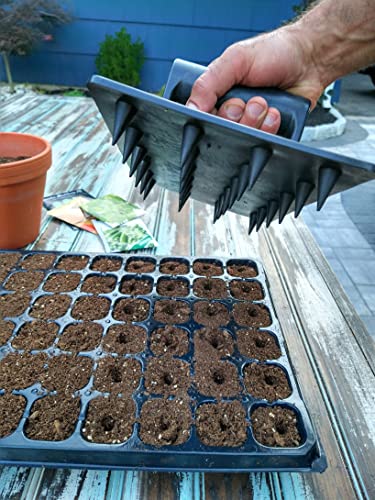
Efficiently start seeds indoors by creating perfect planting holes in 72-cell seed trays

【SEED SPACING】12 tapered spikes set exactly 1 inch apart make evenly spaced holes for seed planting in one press for consistent row seeding.
Row Spacing
Space rows 12 to 18 inches apart. This distance promotes airflow, reducing the risk of fungal diseases. It also allows for easy access when harvesting and caring for your plants. For larger lettuce varieties, aim for 18 inches. If you’re planting smaller loose-leaf types, 12 inches often suffices.
Plant Spacing Within Rows
Within rows, maintain a distance of 6 to 12 inches between individual plants. For head lettuce, place them 10 to 12 inches apart for ample room to grow. Loose-leaf varieties can fit closer at 6 to 8 inches since they spread outward rather than upward. This spacing ensures each plant receives enough light, water, and nutrients for robust growth.
Factors Influencing Lettuce Spacing
Spacing for lettuce isn’t just a matter of preference; it relies on several key factors. Understanding these elements helps you make the best decisions for your garden.
Recommended Products

The Best Value - Organo Republic Lettuce Iceberg Seeds Pack contains 3g or 3,100 Non-GMO heirloom lettuce seeds. Iceberg Lettuce (Lactuca sativa var. capitata) is known for its crisp texture and mild flavor, making it the perfect addition to fresh vegetable salads or culinary creations.

Healthy Food Source: Because of its tender flavor, lettuce is a popular vegetable for salad, sandwiches, wraps, soups, stir-fries and juice. There are over 20,000 seeds, 10 kinds of lettuce collection, including bibb, boston, iceberg, buttercrunch, grand rapids TBR, oakleaf, ruby leaf, cimmaron romaine and waldmann's

Compact Mini Romaine - Grow Little Gem lettuce with crisp green leaves and tender pale hearts. Its upright heads reach about 6-8 inches tall, a useful size for containers, raised beds and individual salads.
Variety of Lettuce
Different lettuce varieties require varying amounts of space to thrive. For example, leaf lettuce types, like ‘Buttercrunch’, can grow well with 6 to 12 inches between plants. In contrast, head lettuce varieties, such as ‘Iceberg’, need more room, typically 12 to 18 inches apart. If you choose romaine lettuce, aim for a spacing of about 12 inches to allow for proper growth. Noting these differences helps you plan your garden effectively.
Growing Conditions
Growing conditions significantly affect how far apart you should plant lettuce. In cooler climates, lettuce grows slower, allowing for closer spacing without compromising airflow or nutrient uptake. Warm environments speed up growth; therefore, increasing spacing to 12 to 18 inches between plants promotes sufficient airflow and reduces disease risk. Additionally, consider soil quality; improved, nutrient-rich soil allows for closer planting while maintaining healthy plants. Always adjust your spacing based on these specific environmental factors to optimize your lettuce yield.
Common Mistakes in Planting Lettuce
Avoiding mistakes in lettuce planting helps ensure a successful harvest. Recognizing these common errors can improve your gardening efforts.
Recommended Products

Precise Planting Measurement: The foldable plant ruler is designed to provide precise measurements for seed spacing, ensuring optimal growth for a variety of vegetables including carrots, tomatoes, peas, potatoes, and cabbage.

DON’T RISK A SMALL HARVEST Avoid the frustration of low yields caused by overcrowded or poorly spaced plants. Inspired by Square Foot Gardening, Seed Spacer Tool prevents spacing mistakes that hold your garden back — giving you the big, healthy harvest you deserve.
Incorrect Spacing
Spacing lettuce too close limits airflow and increases competition for nutrients. Stick to recommended guidelines. For leaf lettuce, space plants 6 to 12 inches apart. For head lettuce, use 12 to 18 inches. Adjust based on your specific growing conditions, like climate and soil quality.
Ignoring Soil Quality
Neglecting soil quality affects growth. Conduct a soil test to assess nutrient levels and pH. Incorporate organic matter, like compost, to enrich the soil. Healthy soil promotes healthy plants.
Planting at the Wrong Time
Planting too early or too late can lead to poor germination or bolting. Check local weather patterns to determine the best planting window. Aim for cooler seasons, as lettuce thrives in temperatures between 60°F and 70°F.
Overwatering
Overwatering creates soggy soil, which can cause root rot. Monitor soil moisture levels, and water only when the top inch feels dry. Drip irrigation or soaker hoses help maintain consistent moisture without oversaturating the soil.
Neglecting Pest Control
Ignoring pests can damage or destroy your crop. Regularly inspect your plants for signs of insects or disease. Use organic pest control methods, such as insecticidal soap or neem oil, to protect your lettuce without harmful chemicals.
Failing to Thin Seedlings
Failing to thin seedlings leads to overcrowding. Once seedlings reach 2 to 3 inches tall, remove weaker ones to allow more space for stronger plants to develop. Thinning improves airflow and nutrient availability, resulting in healthier lettuce.
By recognizing and addressing these common mistakes, you can cultivate a thriving lettuce garden that yields a bountiful harvest.
Conclusion
Getting the spacing right for your lettuce is essential for a thriving garden. By keeping your plants 12 to 18 inches apart for head varieties and 6 to 12 inches for leaf types you’re setting the stage for healthy growth. Remember to consider your local climate and soil conditions as they can significantly impact your spacing choices.
Avoid common mistakes like overcrowding or neglecting to thin seedlings. With a little attention to detail you’ll enjoy a bountiful harvest of fresh lettuce. Happy gardening and enjoy the fruits of your labor!
Frequently Asked Questions
What is the ideal spacing for growing lettuce?
The recommended spacing for lettuce varies based on the variety. Generally, leaf lettuce can be spaced 6 to 12 inches apart, while head lettuce should be spaced 12 to 18 inches. This helps optimize nutrient uptake and airflow.
How does spacing affect lettuce growth?
Proper spacing is crucial as it improves airflow, nutrient availability, and light exposure. It also helps prevent diseases, enhancing overall growth and quality of the lettuce.
What factors influence the spacing needed for lettuce?
Lettuce spacing is influenced by the variety being grown, environmental conditions like climate and soil quality, and the intended use of the crop. Understanding these factors helps determine the best spacing.
Can I grow lettuce closer together in cooler climates?
Yes, in cooler climates, you can grow lettuce closer together (around 6 to 12 inches) since the lower temperatures reduce disease risks and competition for resources, allowing for better growth.
What common mistakes should I avoid when planting lettuce?
Common mistakes include incorrect spacing, poor soil quality, planting at inappropriate times, overwatering, neglecting pests, and not thinning seedlings. Avoiding these pitfalls leads to healthier plants and better yields.
Is adjusting spacing important for maximum lettuce yield?
Absolutely! Adjusting your planting space based on environmental factors and lettuce variety is key to maximizing yield and maintaining plant health throughout the growing season.
