

Have you ever wondered how to get the most out of your lettuce garden? Planting lettuce too close together can lead to overcrowding and stunted growth, while giving them too much space can waste precious garden real estate.
Understanding the right spacing is key to growing healthy, vibrant lettuce. This article will guide you through the ideal distances for different types of lettuce, ensuring you maximize your yield and enjoy a bountiful harvest. With a few simple tips, you’ll be on your way to a thriving garden filled with crisp, delicious greens.
Key Takeaways
- Optimal Spacing: Plant loose-leaf lettuce 10-12 inches apart, romaine 12-18 inches, butterhead 12-15 inches, and crisphead 12-18 inches for healthy growth.
- Row Width: Maintain 18-24 inches between rows to ensure easy access for maintenance and promote proper air circulation.
- Thinning Importance: Thin seedlings to their required spacing when they reach 2-3 inches in height to prevent overcrowding and encourage robust development.
- Environmental Considerations: Adjust planting distances based on local climate and soil conditions to optimize growth; cooler climates may allow for closer spacing.
- Soil and Watering Needs: Prepare well-drained soil with a pH of 6.0-7.0 and provide consistent watering of 1-1.5 inches per week to support lettuce health.
Overview of Lettuce Planting
Planting lettuce requires precise spacing for optimal growth. The distance between each plant affects their access to sunlight, nutrients, and water. Proper spacing also minimizes competition among plants, reducing the risk of diseases.
Spacing Guidelines
- Loose-Leaf Lettuce: Space plants 10 to 12 inches apart. This variety thrives in well-aerated conditions.
- Romaine Lettuce: Space plants 12 to 18 inches apart. Romaine requires room to grow its tall, sturdy leaves.
- Butterhead Lettuce: Space plants 12 to 15 inches apart. This type needs space to develop its tender, thick leaves without crowding.
- Crisphead Lettuce: Space plants 12 to 18 inches apart. Crisphead forms tightly packed heads, hence adequate space is crucial.
Planting Tips
- Row Spacing: Keep rows 18 to 24 inches apart. This allows for easy access during maintenance and harvesting.
- Thinning: Once seedlings reach 2 to 3 inches in height, thin them according to their specific spacing needs. This ensures each plant gets enough resources to flourish.
- Companion Planting: Consider planting lettuce alongside carrots or radishes. These crops complement each other and use soil resources efficiently.
- What if I plant too close? Crowded lettuce leads to smaller plants that are more prone to disease. Overcrowding restricts airflow and hinders growth.
- Can I transplant lettuce? Yes, you can transplant lettuce if spacing was not maintained initially. Ensure the new spots follow the required distances to foster recovery.
Remember, proper planting distance plays a critical role in growing healthy lettuce. Following these guidelines sets you up for a successful garden.
Factors Affecting Plant Spacing
Plant spacing affects growth and yield. Several factors impact how far apart you should plant lettuce.
Recommended Products

Black Seeded Simpson is a classic heirloom loose leaf lettuce with large, tender green leaves and a mild, sweet flavor. Harvest fresh leaves for salads, sandwiches, wraps, and other homegrown meals.

4 Popular Heirloom Lettuce Varieties: Includes Red Romaine, Bibb Butterhead, Black Seeded Simpson, and Green Ice lettuce seeds to grow crisp, tender, and colorful salad greens with balanced flavor, texture, and visual appeal.
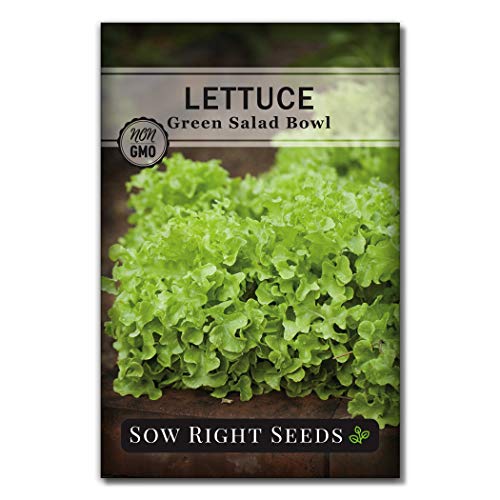
Beautiful - Large premium packet of Green Salad Bowl Lettuce (Lactuca sativa) seeds. Crisp and delicious, this frilly, green leaf lettuce can be grown outdoors or indoors in a hydroponics system. This cool-weather crop is also a more heat-tolerant variety that doesn’t get bitter and resists bolting. Minimum of 600mg per packet (about 430 seeds).
Variety of Lettuce
Lettuce variety plays a crucial role in determining plant spacing. Loose-leaf varieties, such as red leaf and green leaf, thrive when spaced 10 to 12 inches apart. Romaine lettuce needs more room, requiring 12 to 18 inches between plants to accommodate their robust growth. Butterhead and crisphead varieties also benefit from spacing of 12 to 15 inches and 12 to 18 inches, respectively. Familiarity with your chosen lettuce type helps optimize their growth potential.
Environmental Conditions
Environmental conditions affect how closely you can plant lettuce. In cooler climates, closer spacing may promote faster growth while providing adequate air circulation. However, in warmer areas, increased space will help prevent overheating and reduce disease risk. Soil fertility also matters; well-fertilized soil may support closer planting, yet poor soil quality necessitates wider spacing for healthy growth. Consider local weather patterns and soil conditions when deciding on spacing to ensure optimal growth.
Recommended Planting Distances
Planting lettuce with the right distances ensures healthy growth and maximum yield. Here are specific guidelines for both row spacing and plant spacing within rows.
Row Spacing
Space rows of lettuce 18 to 24 inches apart. This distance allows easy access for maintenance tasks like weeding, watering, and harvesting. Adequate row spacing also helps improve air circulation, reducing the likelihood of disease. If your gardening space is limited, consider 18 inches as a minimum to still maintain plant health.
Plant Spacing Within Rows
For spacing within rows, follow these recommendations based on lettuce varieties:
- Loose-leaf Lettuce: Space these plants 10 to 12 inches apart. This closer distance enables you to harvest leaves while the plants continue to grow.
- Romaine Lettuce: Position plants 12 to 18 inches apart. Romaine needs a bit more room for leafy heads to fully develop.
- Butterhead Lettuce: Opt for 12 to 15 inches between plants. This spacing supports their characteristic softness while allowing for growth.
- Crisphead Lettuce: Maintain a distance of 12 to 18 inches. Crisphead varieties benefit from space for forming compact heads.
Thinning seedlings to achieve these distances is crucial once they reach 2 to 3 inches in height. This prevents overcrowding and promotes healthy growth. Remember, adjusting spacing based on environmental conditions can further benefit your lettuce crop. Cool climates may allow closer planting, while warmer areas do better with increased space.
Tips for Successful Lettuce Growth
Follow these tips to encourage healthy and vigorous growth of your lettuce plants.
Recommended Products

Quick, at home results for Soil pH, Nitrogen, Phosphorous and Potash Innovative and inexpensive soil test kit features an easy-to-use capsule system and patented color comparators

Kindly NOTE: This soil tester can not be applied to test pH value of any other liquid. If the soil is too dry the indicator will not move, and water it before testing.

Comprehensive Soil Analysis: Liquid soil test kits offer a comprehensive analysis of essential soil parameters, including pH, ammonia, nitrogen, phosphorus, and potassium. Having all these measurements in one kit provides a holistic understanding of the soil's fertility and health.
Soil Preparation
Prepare your soil to provide the best environment for lettuce. Test the soil pH; it should range from 6.0 to 7.0 for optimal growth. Amend the soil with organic matter, such as compost, to improve fertility and drainage. Work the organic matter into the top 12 inches of soil. Ensure the soil is loose and crumbly for proper root development. Consider using raised beds if the soil quality is poor, which can enhance drainage and allow for better control of soil conditions.
Watering and Maintenance
Water your lettuce consistently for robust growth. Aim for 1 to 1.5 inches of water per week, adjusting based on rainfall. Water at the base of the plants to prevent fungal diseases. Mulching with straw or shredded leaves retains moisture and suppresses weeds. Monitor growth and remove weeds regularly to reduce competition for nutrients. Fertilize every three to four weeks with a balanced, water-soluble fertilizer to provide essential nutrients. Keep an eye out for pests like aphids and slugs; prompt action prevents damage.
Conclusion
Getting your lettuce spacing right is key to a thriving garden. By following the recommended distances for each variety you’ll set your plants up for success. Remember that proper spacing not only boosts growth but also helps prevent disease and ensures each plant gets the nutrients it needs.
Don’t forget to consider your local climate and soil conditions when deciding how far apart to plant. With a little attention to detail and care, you’ll enjoy a bountiful harvest of fresh, crisp lettuce. Happy gardening!
Frequently Asked Questions
What is the ideal spacing for planting loose-leaf lettuce?
Loose-leaf lettuce should ideally be spaced 10 to 12 inches apart. This spacing allows for adequate sunlight, nutrients, and water access, promoting healthy growth and minimizing competition between plants.
How far apart should romaine lettuce be planted?
Romaine lettuce should be spaced 12 to 18 inches apart. This distance provides enough room for robust growth while helping to reduce the risk of diseases and maintain good air circulation.
What are the row spacing recommendations for lettuce?
Row spacing for lettuce should be maintained at 18 to 24 inches apart. This spacing allows for easy access during maintenance and harvesting while improving air circulation to reduce disease risk.
How can I tell if my lettuce plants are overcrowded?
Overcrowded lettuce plants often exhibit stunted growth and increased disease risk. If your plants appear smaller than usual or are competing for sunlight and resources, it may be time to thin them out.
Is transplanting possible if I didn’t space my lettuce properly?
Yes, transplanting is possible if initial spacing wasn’t maintained. Carefully remove the plants and replant them at the recommended distances to promote healthier growth and reduce competition.
How does soil fertility affect lettuce spacing?
Soil fertility impacts lettuce spacing significantly. Well-fertilized soil can support closer planting, while poor soil quality necessitates wider spacing to ensure each plant can access the necessary nutrients.
What is the best way to prepare soil for lettuce?
To prepare soil for lettuce, test the pH (ideally between 6.0 and 7.0) and amend it with organic matter like compost. Ensure the soil is loose and crumbly for optimal root development.
How often should I water lettuce plants?
Lettuce should receive consistent watering, aiming for 1 to 1.5 inches per week. Watering at the base of the plants helps prevent fungal diseases and ensures deep root hydration.
What pests should I watch for when growing lettuce?
Common pests include aphids and slugs, which can damage lettuce plants. Regular monitoring and quick action can help prevent infestations and keep your plants healthy.
Can companion planting benefit my lettuce garden?
Yes, companion planting with crops like carrots or radishes can optimize soil resource use and encourage healthy growth. These plants can complement each other and improve overall garden health.
