

Ever wondered why your carrot seeds never quite turn into those straight, picture-perfect veggies you see in the store? Picture this: you diligently sow your seeds, but your carrots end up twisted and tangled underground. Frustrating, right? In this article, you’ll discover the secret to growing carrots that are not only delicious but also beautifully shaped. By understanding how far apart to sow your carrot seeds, you’ll unlock the key to a bountiful harvest. Stick around to learn how to space your seeds just right for those Instagram-worthy carrots you’ve been dreaming of.
Importance of Seed Spacing
Placing your carrot seeds at the correct distance is key. Here’s why:
- Prevents Crowding: Ensures each carrot has enough room to grow fully.
- Aids Air Circulation: Reduces risk of disease by allowing airflow around plants.
- Facilitates Weeding: Easier to remove weeds without damaging carrots.
Recommended Products
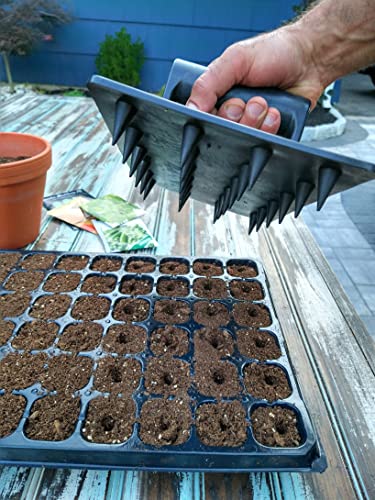
Efficiently start seeds indoors by creating perfect planting holes in 72-cell seed trays

Precise Spacing for Better Growth - This seed spacers planting tool helps you mark evenly spaced seed positions and straight planting rows, giving plants more consistent room to grow while improving garden organization and reducing guesswork.

DON’T RISK A SMALL HARVEST Avoid the frustration of low yields caused by overcrowded or poorly spaced plants. Inspired by Square Foot Gardening, Seed Spacer Tool prevents spacing mistakes that hold your garden back — giving you the big, healthy harvest you deserve.
Factors to Consider
When deciding how far apart to sow your carrot seeds, several factors come into play to ensure the success of your crop. Here are the key considerations to keep in mind:
- Carrot Variety: Different carrot varieties require varying spacing. Be sure to check the specific recommendations for the type of carrots you are planting.
- Soil Quality: Ensure your soil is loose, well-draining, and free of rocks to allow the carrots to grow straight. Dense soil can hinder root development.
- Sunlight: Carrots need full sun for at least 6 hours a day to thrive. Select a planting location that receives adequate sunlight.
- Climate: Consider your local climate when determining seed spacing. Some areas may require wider spacing due to higher humidity or specific temperature ranges.
- Companion Planting: Think about planting carrots near other companion plants that can benefit each other. For example, planting them alongside onions or radishes can help deter pests.
- Succession Planting: If you plan on planting multiple rounds of carrots for continuous harvest, factor in the spacing required for each planting to avoid overcrowding as they grow.
Properly considering these factors will help you determine the ideal spacing for your carrot seeds, setting the stage for a bountiful and successful harvest.
Optimal Spacing for Carrot Seeds
When deciding how far apart to sow your carrot seeds, it’s essential to consider several factors that influence the growth and development of your crop. Here’s a breakdown of the optimal spacing for carrot seeds:
- Soil Quality: Ensure your soil is well-draining and free of rocks to prevent misshapen carrots. Ideal soil pH for carrots is between 6.0 and 6.8.
- Sunlight Exposure: Carrots thrive in full sun but can tolerate some shade. Aim for at least 6-8 hours of sunlight daily.
- Climate: Carrots prefer cool weather and can be grown in both spring and fall. In hot climates, consider providing shade during the hottest parts of the day.
- Companion Planting: Planting carrots alongside onions, leeks, or garlic can help deter pests and improve growth.
- Succession Planting: To extend your harvest season, sow carrot seeds every 2-3 weeks until midsummer.
By spacing your carrot seeds optimally and considering these crucial factors, you can set the stage for a successful and abundant harvest.
| Fact | Data |
|---|---|
| Ideal soil pH | 6.0-6.8 |
| Sunlight requirement | 6-8 hours daily |
Techniques for Sowing Carrot Seeds
When sowing carrot seeds, optimal spacing is crucial for a successful harvest. Here are some practical techniques to help you sow your carrot seeds effectively:
- Prepare the Soil: Ensure the soil is well-loosened to a depth of 12 inches for proper root growth.
- Create Furrows: Use a hoe or rake to create shallow furrows 1/4 to 1/2 inch deep in the soil.
- Spacing Guidelines: Plant carrot seeds about 2 inches apart. This ensures sufficient room for the roots to develop without crowding.
- Cover Seeds Lightly: After placing the seeds in the furrows, lightly cover them with 1/4 inch of soil.
- Watering: Keep the soil consistently moist but avoid overwatering, as this can cause the seeds to rot.
- Thinning: Once the carrot seedlings are about 2 inches tall, thin them to a spacing of 3-4 inches apart to allow for proper root growth.
- Mulching: Consider applying a layer of organic mulch to help retain soil moisture and regulate temperature.
By following these techniques, you can sow your carrot seeds effectively and set the stage for a bountiful harvest.
Tips for Success
When it comes to sowing carrots at the optimal distance, here are some essential tips to ensure your harvest is a success:
- Proper Spacing: Sow carrot seeds about 2 inches apart to give each plant enough room to grow and develop a healthy root system.
- Thinning: Once your carrot seedlings have sprouted, thin them to a final spacing of 3-4 inches apart. This step prevents overcrowding, allowing each carrot to reach its full potential.
- Consistent Moisture: Maintain even soil moisture levels to promote uniform germination and prevent stunted growth. Carrots require consistent moisture for optimal development.
- Mulching: Consider mulching your carrot bed to help retain soil moisture and prevent weeds. A layer of mulch also protects delicate roots from exposure.
- Weed Control: Regularly remove weeds from your carrot patch to prevent competition for nutrients and sunlight, giving your carrots the best chance to thrive.
Conclusion
Remember, when sowing carrots, spacing is key to a successful harvest. Plant your carrot seeds 2 inches apart and thin them to 3-4 inches apart once they start growing. Consistent soil moisture, mulching, and weed control are also essential for healthy carrot development. By following these simple steps, you’ll set yourself up for a bountiful carrot harvest. Happy planting!
Frequently Asked Questions
Why is seed spacing important when planting carrots?
Seed spacing is crucial to prevent overcrowding, which can lead to stunted growth and misshapen carrots. Proper spacing allows each seedling enough room to develop healthy roots and access necessary nutrients for optimal growth.
What is the recommended seed spacing for planting carrots?
It is advised to sow carrot seeds 2 inches apart initially. Thinning the seedlings once they reach a few inches tall to a final spacing of 3-4 inches apart will help promote healthy root development and prevent overcrowding.
How can I ensure uniform germination when planting carrot seeds?
Maintaining consistent soil moisture is key to ensure uniform germination of carrot seeds. Keeping the soil evenly moist throughout the germination process will help seeds sprout at the same time, leading to a more even and productive crop.
Why is mulching important when planting carrots?
Mulching is vital to retain soil moisture, regulate temperature, and prevent weed growth. A layer of organic mulch helps retain moisture around the carrot plants, reduces the need for frequent watering, and minimizes competition from weeds for nutrients and sunlight.
Why is controlling weed growth crucial for successful carrot cultivation?
Weed growth can compete with carrot plants for essential nutrients, water, and sunlight. By controlling weed growth through mulching, hand-weeding, or using other weed control methods, you can ensure that your carrot plants have the best chance to flourish and produce a bountiful harvest.
