

Are you ready to grow your own fresh lettuce but unsure about spacing? You’re not alone! Many gardeners face the challenge of figuring out how far apart to plant their lettuce for the best results.
Getting the spacing right is crucial for healthy growth and a bountiful harvest. If you plant them too close together, they’ll compete for nutrients and sunlight. But if you space them too far apart, you might miss out on maximizing your garden space.
Key Takeaways
- Optimal Spacing Matters: Proper spacing (12 to 18 inches apart) is essential for healthy lettuce growth, allowing plants to access necessary sunlight, nutrients, and water.
- Different Varieties Require Different Distances: Leaf lettuce should be spaced 6 to 12 inches apart, while romaine and head lettuce need 12 to 18 inches to thrive.
- Soil Quality Affects Planting Distances: High-quality, nutrient-rich soil allows for closer planting, whereas poor soil necessitates increased spacing to support root expansion.
- Environmental Factors Influence Growth: Sunlight and water availability, as well as temperature and humidity, should be considered when deciding on spacing to encourage robust plant development.
- Avoid Common Mistakes: Overcrowding and ignoring the specific needs of different lettuce varieties can lead to stunted growth and higher disease susceptibility. Always research and apply appropriate planting techniques.
Understanding Lettuce Planting Distances
Proper spacing between lettuce plants plays a crucial role in their growth and overall health. Knowing the right distances helps maximize yield while preventing overcrowding.
Importance of Proper Spacing
Proper spacing allows each lettuce plant to access sunlight, nutrients, and water without competition. This leads to healthier plants and a better harvest. Following recommended distances helps prevent issues like disease transmission, which can occur in overcrowded conditions. For example, spacing your lettuce plants 12 to 18 inches apart allows them to develop fully and thrive in your garden.
Effects on Growth and Yield
Spacing directly influences growth patterns and harvest yield. When lettuce plants are placed too close together, they compete for essential resources, leading to stunted growth. If you plant them at least 12 inches apart, you’ll encourage vigorous growth and larger heads. Research shows that well-spaced lettuce can increase yield by up to 30 percent, making it vital for efficient gardening. Aim for rows with 18 inches between them and plants spaced adequately for great results.
Recommended Spacing for Different Lettuce Varieties
Proper spacing for lettuce varieties ensures they grow healthy and productive. Each type has unique spacing requirements based on its growth habits.
Recommended Products

Precise Spacing for Better Growth - This seed spacers planting tool helps you mark evenly spaced seed positions and straight planting rows, giving plants more consistent room to grow while improving garden organization and reducing guesswork.
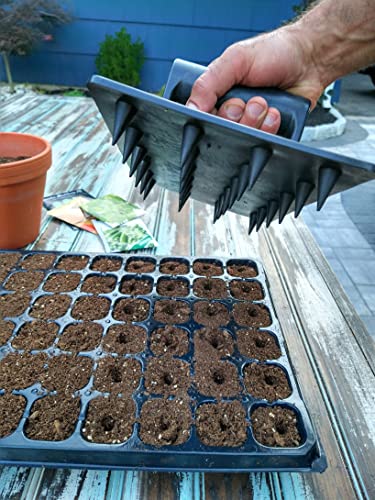
Efficiently start seeds indoors by creating perfect planting holes in 72-cell seed trays

【SEED SPACING】12 tapered spikes set exactly 1 inch apart make evenly spaced holes for seed planting in one press for consistent row seeding.
Leaf Lettuce
Position leaf lettuce 6 to 12 inches apart. This variety grows in a loose, spreading manner, allowing for closer planting. If you plant them too close, they may compete for nutrients and sunlight, leading to smaller, less flavorful leaves.
Romaine Lettuce
Space romaine lettuce 12 to 18 inches apart. Romaine tends to grow taller and develops dense heads. Adequate spacing helps maximize airflow and reduce disease risks. Overcrowding may inhibit their growth and lead to bolting.
Head Lettuce
Position head lettuce 12 to 18 inches apart as well. This variety forms tight heads and requires more space for optimal development. Ensuring proper spacing helps prevent rot and promotes healthy, rounded heads. A distance of 18 inches between rows enhances accessibility for maintenance tasks.
Factors Influencing Planting Distances
Planting distances between lettuce plants depend on various factors. Understanding these can help achieve optimal growth and yield.
Recommended Products

Precise Planting Measurement: The foldable plant ruler is designed to provide precise measurements for seed spacing, ensuring optimal growth for a variety of vegetables including carrots, tomatoes, peas, potatoes, and cabbage.

DON’T RISK A SMALL HARVEST Avoid the frustration of low yields caused by overcrowded or poorly spaced plants. Inspired by Square Foot Gardening, Seed Spacer Tool prevents spacing mistakes that hold your garden back — giving you the big, healthy harvest you deserve.
Soil Quality
Soil quality affects how well lettuce plants grow. Fertile soil, rich in organic matter, holds nutrients and moisture better. If your soil is compacted or low in nutrients, consider improving it with compost or well-rotted manure. Test your soil pH; aim for a range of 6.0 to 7.0 for best results. In high-quality soil, you can plant lettuce closer together—around 10 to 12 inches apart. In poorer soil, increase the distance to 12 to 18 inches to allow roots more space to spread.
Sunlight and Water Availability
Sunlight and water availability play crucial roles in plant health. Lettuce thrives in full sun, requiring at least six hours of direct sunlight daily. If your garden has shading from trees or buildings, position plants farther apart—around 14 to 18 inches—to ensure enough light reaches each plant. Water availability also affects spacing. If your area tends to dry out, wider spacing of 12 to 18 inches allows for sufficient moisture access without competition.
Growing Conditions
Growing conditions, like temperature and humidity, impact planting distances. In cooler climates, lettuce plants can stay closer together, about 10 to 12 inches, as they face less stress. In warmer, humid regions, provide more distance—12 to 18 inches—to help with airflow and reduce the risk of disease. Monitoring local weather patterns helps determine the best spacing for your specific conditions.
Common Mistakes in Lettuce Planting
Planting lettuce involves specific practices for success. Here are some common mistakes to avoid.
Overcrowding Plants
Overcrowding leads to reduced air circulation and increased competition for nutrients. It often results in stunted growth and higher susceptibility to diseases. Space your plants according to their variety to promote healthy development. For instance, leaf lettuce benefits from 6 to 12 inches apart, while romaine and head lettuce require 12 to 18 inches of space. Proper spacing ensures each plant gets adequate sunlight, balancing nutrient distribution and reducing disease risks.
Ignoring Variety Differences
Ignoring variety differences in lettuce contributes to improper planting techniques. Different types of lettuce have unique requirements that impact spacing and care. Leaf varieties need less room, while denser types like romaine and head lettuce require more. Take time to research the specific needs of your chosen varieties, ensuring that you cater to their spacing and growing conditions for optimal health and yield. Remember, when you respect these differences, your lettuce thrives.
Conclusion
Getting the spacing right for your lettuce plants can make all the difference in your garden. By giving each variety the room it needs to thrive you’ll set yourself up for a bountiful harvest. Remember to consider factors like soil quality and sunlight to ensure your plants get what they need.
Avoiding common mistakes like overcrowding will help keep your lettuce healthy and vibrant. With a little attention to detail you’ll enjoy fresh crisp lettuce that’s not only delicious but also a joy to grow. Happy gardening!
Frequently Asked Questions
Why is spacing important in lettuce planting?
Proper spacing in lettuce planting is vital for allowing sufficient sunlight, nutrients, and water to each plant. This reduces competition and enhances overall plant health, leading to better yields and flavor.
What are the recommended spacing guidelines for different lettuce types?
Leaf lettuce should be spaced 6 to 12 inches apart, while both romaine and head lettuce require 12 to 18 inches of spacing. Following these guidelines ensures optimal growth for each variety.
What factors influence lettuce planting distances?
Factors such as soil quality, sunlight availability, water supply, and specific growing conditions play significant roles in determining the appropriate planting distances for lettuce varieties.
What are common mistakes in lettuce planting?
Common mistakes include overcrowding plants and disregarding the specific spacing needs of different lettuce varieties. These errors can lead to stunted growth and increased vulnerability to diseases.
How does proper spacing affect disease prevention in lettuce?
Adequate spacing helps prevent disease transmission among plants by ensuring good air circulation and reducing humidity levels. This creates a healthier growing environment and minimizes the risk of infections.
