

Have you ever wondered how that crisp lettuce in your salad comes from tiny seeds? It’s fascinating how a small seed can grow into a lush head of lettuce. Understanding the seeding process can help you appreciate not just your meals but also the art of gardening.
Key Takeaways
- Understanding Seeding Process: Grasp the basic steps of lettuce seeding to achieve healthy plants and a fruitful harvest.
- Quality Seed Selection: Opt for high-quality, climate-suitable seeds, such as heirloom or organic varieties, for better growth and flavor.
- Timing is Key: Start seeds indoors 4–6 weeks before the last frost, and know when to sow directly outdoors based on your local climate.
- Soil Preparation Matters: Use well-draining, nutrient-rich soil with a pH between 6.0 and 7.0 for optimal growth conditions.
- Germination Conditions: Maintain consistent moisture, correct temperature, and provide indirect light to promote successful germination.
- Proper Plant Care: Thin seedlings and provide adequate sunlight and water to ensure healthy growth and a bountiful lettuce harvest.
Overview Of Lettuce Seeding
Lettuce seeding is a straightforward yet crucial step in growing this popular leafy vegetable. Understanding this process helps you achieve healthy plants and, ultimately, a bountiful harvest.
Seed Selection
Choose high-quality seeds suitable for your climate. Varieties like Romaine, Iceberg, and Butterhead offer different textures and flavors. Opt for organic seeds if possible for healthier plants.
Timing
Timing is essential for successful seeding. Start seeds indoors 4 to 6 weeks before the last frost date. Transplant seedlings outdoors after the danger of frost passes. For direct seeding, sow seeds in early spring or late summer, depending on your local climate.
Soil Preparation
Prepare well-draining, nutrient-rich soil for optimal growth. Use a soil mix containing compost to enhance fertility. Aim for a pH between 6.0 and 7.0 for best results.
Sowing Seeds
Sow seeds about 1/8 inch deep, spacing them 2 to 4 inches apart. Uniform spacing ensures enough room for growth. Water lightly after sowing to avoid displacing the seeds.
Germination
Germination occurs within 7 to 14 days, depending on temperature and moisture. Keep the soil consistently moist but not soggy. Using a clear plastic cover can help maintain humidity and warmth during this period.
Thinning Seedlings
Once seedlings sprout and develop true leaves, thin them to prevent overcrowding. Keep the strongest plants and remove weaker ones. Aim for 6 to 12 inches between plants, depending on the variety.
Caring for Young Plants
Provide adequate sunlight and water as the plants grow. Lettuce thrives in full sun, requiring 6 to 8 hours daily. Water regularly, ensuring the soil remains moist but not waterlogged.
Harvesting
Harvest lettuce when the leaves are young and tender. Cutting above the base allows for regrowth. Enjoy fresh heads of lettuce in your meals, appreciating the effort involved in seeding and nurturing them.
Types Of Lettuce Seeds
Understanding lettuce seeds is essential for successful gardening. Different types of seeds cater to various lettuce varieties and growing conditions.
Recommended Products
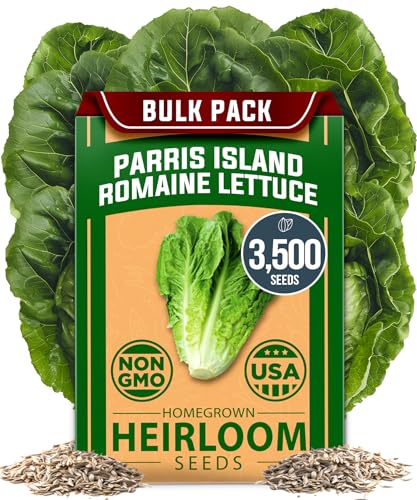
HIGH GERMINATION RATE FOR RELIABLE GROWTH - Our Parris Island Romaine Lettuce Seeds boast an impressive germination rate. High quality and rapid sprouting heirloom lettuce seeds ensuring a bountiful harvest for your vegetable garden.

Disease Resistant Salad Romaine : Parris Island Cos gardening seeds produce tall upright romaine lettuce head growth with crunchy midribs and juicy texture. Mosaic tolerant leaf lettuce seeds for planting outdoors thrive in USDA zones 3–9 with strong field performance.

The Best Value - Organo Republic Lettuce Romaine Seeds Pack contains 3 g or 2,600 Non-GMO heirloom lettuce seeds. Romaine Lettuce (Lactuca sativa longifolia) is known for its deeply lobed leaves and tender texture, making it the perfect addition to fresh vegetable salads or culinary creations.
Varieties Of Lettuce
Lettuce comes in several varieties, each with unique characteristics. Here are some common types:
- Romaine: This type offers crisp leaves and thrives in cooler temperatures. It’s ideal for salads and wraps.
- Iceberg: Known for its crunchy texture, iceberg lettuce has tightly packed heads. It’s popular in sandwiches.
- Butterhead: This variety features soft leaves with a delicate flavor. It’s perfect for gourmet salads.
- Looseleaf: These lettuces grow in a rosette shape and don’t form heads. They offer a continuous harvest throughout the season.
- Microgreens: Young lettuce seedlings harvested just after germination. They add flavor and nutrition to dishes.
Differences In Seed Types
Lettuce seeds vary in type, affecting growth patterns and yield. Here are key differences:
- Heirloom Seeds: These seeds come from traditional varieties, often prized for flavor. They can be saved and replanted, maintaining genetic diversity.
- Hybrid Seeds: Created by crossing two different parent plants, hybrid seeds often exhibit traits like disease resistance and higher yields, though they can’t be saved.
- Organic Seeds: These seeds come from plants grown without synthetic fertilizers or pesticides. Growing with organic seeds supports sustainable gardening practices.
- Pelleted Seeds: Coated for easier handling and planting. The coating ensures even sowing. They also take up more space but simplify the seeding process.
Choosing the right seed type can significantly impact your gardening success. Each variety and seed type offers specific advantages for particular growing conditions, allowing you to enjoy a vibrant harvest of lettuce.
Germination Process
Germination is a critical step in growing lettuce. It sets the stage for healthy plants and an abundant harvest.
Recommended Products

USDA Certified Organic by Oregon Tilth

4 Popular Heirloom Lettuce Varieties: Includes Red Romaine, Bibb Butterhead, Black Seeded Simpson, and Green Ice lettuce seeds to grow crisp, tender, and colorful salad greens with balanced flavor, texture, and visual appeal.

Heirloom Non-GMO Seeds: seed pod kit contains 6 kinds of lettuce seeds, they are Red&Green Leaf Lettuce, Romaine, Butter Head, Bibb Lettuce, Boston Lettuce, Buttercrunch Lettuce. Various kinds of lettuce seeds, each one is rich in nutritional value. 100% Non-GMO, open pollinated
Ideal Conditions For Germination
Lettuce seeds germinate best under specific conditions:
- Temperature: Aim for 60°F to 70°F (16°C to 21°C) for optimal growth.
- Moisture: Keep the soil consistently moist but not waterlogged, about 50-70% moisture content.
- Light: Provide indirect light. Seeds typically germinate faster in darkness.
- Soil Type: Use well-draining, loose soil that allows for good air circulation.
Creating these ideal conditions promotes faster sprouting and robust seedlings.
Common Germination Challenges
Several challenges may hinder germination:
- Inconsistent Moisture: Seeds may dry out or become overly saturated. Maintain steady moisture levels.
- Incorrect Temperature: Temperatures too high or low can delay germination. Monitor and adjust as necessary.
- Pests or Diseases: Watch for pests like fungus gnats or dampening-off diseases. Use clean, sterile soil to prevent issues.
- Seed Quality: Old or low-quality seeds may not germinate. Use fresh, high-quality seeds for the best results.
Understanding these challenges helps you address problems quickly and ensure successful germination.
Planting Lettuce Seeds
Planting lettuce seeds involves careful preparation to ensure a successful growth process. Following best practices and considering the right timing can significantly enhance your yields.
Best Practices For Planting
- Choose Quality Seeds: Select seeds that are fresh and suited for your climate. Heirloom, hybrid, organic, and pelleted seeds each have unique benefits.
- Prepare Your Soil: Use well-draining soil with good organic matter. A pH of 6.0 to 7.0 works best for lettuce. Mixing compost can improve fertility.
- Sow Seeds Properly: Plant seeds about ¼ to ½ inch deep. For small seeds, broadcasting them on the soil surface is effective. Lightly cover them with soil afterward.
- Water Appropriately: Water the seeds gently to avoid displacing them. Keep the soil consistently moist but never soggy. Use a fine mist or light watering can.
- Provide Adequate Light: If starting indoors, use grow lights or place pots in a bright location. Lettuce thrives with 12–16 hours of light per day.
- Thin Seedlings: Once seedlings reach 1–2 inches tall, thin them out. Aim for 6–12 inches apart, depending on the variety. This helps prevent overcrowding.
- Choose the Right Season: Plant lettuce in early spring or fall when temperatures stay between 60°F and 70°F. Avoid hot summer months to prevent bolting.
- Indoor vs. Outdoor: Start seeds indoors 4–6 weeks before the last frost, or sow directly outdoors once the soil warms up. Use row covers to protect young plants from late frosts.
- Monitor Growth: Observe growth rates and be prepared to adjust planting times based on local temperatures and conditions. If temperatures exceed 75°F, consider late summer planting for a fall harvest.
- Use Crop Rotation: Rotate lettuce with other crops each year to reduce disease risks and improve soil health. Keep records of previous planting locations.
Implementing these best practices and understanding timing will lead to healthier plants and a more bountiful harvest of lettuce.
Conclusion
Growing lettuce from seed can be a rewarding experience that adds freshness to your meals. By following the right techniques and understanding the needs of your plants you can enjoy a bountiful harvest. Remember to keep an eye on your seedlings and adjust your care routine as they grow. With a little patience and attention you’ll find that your efforts will pay off in delicious, homegrown lettuce. Happy gardening!
Frequently Asked Questions
What types of lettuce seeds should I choose?
Choose from popular varieties like romaine, butterhead, or leaf lettuce. Consider your climate and growing conditions, as some types thrive better in specific environments.
How do I prepare my soil for lettuce seeding?
Start with well-draining soil rich in organic matter. Test the pH; lettuce prefers slightly acidic to neutral (6.0 to 7.0). Amend with compost or fertilizers as needed.
What are the best sowing methods for lettuce?
You can directly sow seeds into the soil or start them indoors. Space seeds about 1 inch apart. Cover them lightly with soil, as they need light for germination.
What conditions are ideal for lettuce germination?
Lettuce seeds germinate best at temperatures between 60 to 70°F. Keep the soil consistently moist but not soggy, and ensure good airflow to prevent damping off.
How can I care for young lettuce plants?
Water regularly to keep the soil moist. Provide full sunlight for 12 to 16 hours a day. Thin seedlings to ensure proper spacing for healthy growth.
When is the best time to harvest lettuce?
Harvest lettuce when leaves are vibrant and reach your desired size, usually 30 to 70 days after sowing. Pick in the morning for the best flavor and crispness.
How do I implement crop rotation with lettuce?
Rotate lettuce with different families of plants each season to prevent soil depletion and reduce pest issues. Avoid planting lettuce in the same spot for at least two years.
What watering techniques are best for lettuce?
Water early in the day to prevent evaporation. Use a drip irrigation system if possible, or water at the base to keep leaves dry and discourage disease.
