

Have you ever wondered what happens when lettuce seeds start to sprout? Watching those tiny seeds transform into vibrant green shoots can be a delightful experience. If you’ve planted lettuce or are thinking about it, knowing what to expect can make all the difference.
Key Takeaways
- Sprouting Process: Lettuce seeds absorb water to germinate, leading to root and shoot emergence within 5 to 10 days.
- Stages of Growth: The growth phases include germination, seedling (cotyledon), and true leaf development, each with distinct visual traits.
- Environmental Factors: Light (12-16 hours daily), optimal temperature (60°F to 70°F), and consistent watering are crucial for healthy sprout growth.
- Leaf Development: Initial leaves (cotyledons) are pale green and oval, while true leaves are vibrant and serrated, indicating healthy growth.
- Soil Requirements: Well-draining, nutrient-rich soil is essential for optimal sprouting; poor soil leads to weak, pale sprouts.
- Humidity Management: Maintaining 50-70% humidity aids in germination while managing excess moisture helps prevent mold growth.
Overview Of Lettuce Sprouting
Lettuce seeds sprout through a fascinating process. Initially, the seeds absorb water, prompting germination. After 5 to 10 days, tiny white roots emerge from the seed. Soon, green shoots break through the soil surface.
You can expect the following stages:
- Seed Soaking: Seeds need moisture to activate. Soak them for several hours before planting.
- Germination: Seeds usually sprout in 5 to 10 days. You’ll see the first signs with a small root and a sprout above the soil.
- First Leaves: The first leaves, called cotyledons, appear shortly after, usually within a week. These leaves are pale green, often oval-shaped.
- True Leaves Development: After cotyledons, true leaves start appearing. These leaves are more serrated and vibrant, indicating healthy growth.
In well-draining soil, lettuce thrives, and keeping the soil moist fosters strong sprouting. Regular watering is crucial, but avoid over-saturation.
Here’s a handy tip: Use a clear plastic dome over your seeds for humidity. Checking daily ensures seeds remain moist. When shoots reach about an inch tall, you can remove the dome.
Understanding these stages enhances your gardening experience. Observing the transformation from seed to sprout offers satisfaction and excitement as your lettuce grows.
Stages Of Lettuce Growth
Lettuce growth occurs in distinct stages, each demonstrating unique characteristics. Understanding these stages helps you recognize the transformation from seed to sprout.
Recommended Products

Upgraded with Adjustable Ventilation - Gardzen seed starter tray has been newly upgraded with two air vents added to the top, allowing you to easily adjust the ventilation for optimal seed growth. Say goodbye to stagnant air and hello to thriving plants!
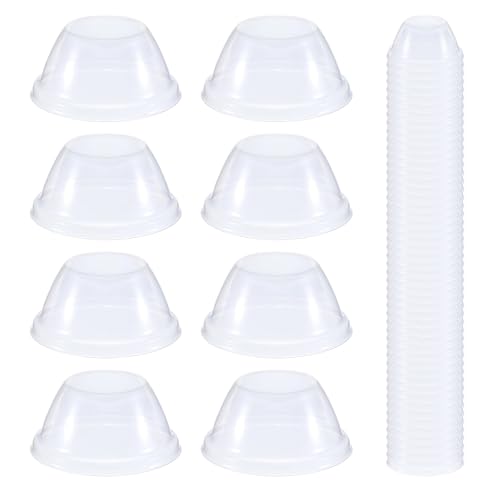
Package includes: You will receive 50 transparent plant humidity covers, sufficient quantity and suitable size to meet your daily use and replacement needs

Domed germination kit designed to improve seed starting and cloning inside a high-humidity space.
Germination Stage
During the germination stage, lettuce seeds absorb water, swelling and breaking open. Soil temperature should remain between 65°F and 75°F for optimal growth. After 2 to 10 days, tiny white roots emerge, signaling the seed’s readiness to grow. Maintaining moisture is essential, and a clear plastic dome can help retain humidity.
Seedling Stage
The seedling stage begins as small green shoots emerge from the soil, known as cotyledons. Cotyledons appear within 7 to 14 days after planting. They serve as the first leaves, providing energy through photosynthesis. Soon after, true leaves develop, indicating that the plant is ready for the next growth phase. Ensure ample light exposure and consistent watering to promote strong seedling growth.
Visual Characteristics Of Sprouting Lettuce
Sprouting lettuce displays distinct visual traits that evolve through various stages. Observing these changes offers insight into the plant’s health and progress.
Recommended Products
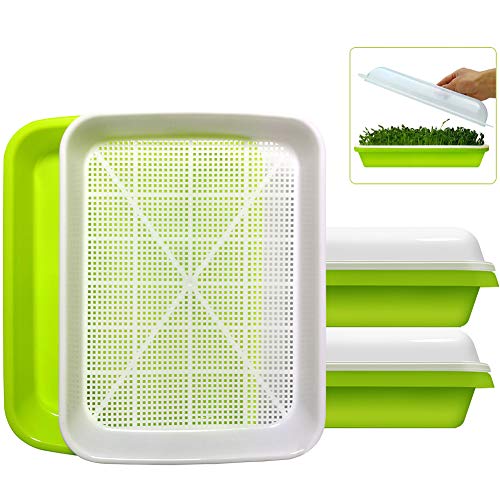
【Food-Grade & BPA-Free Material】 Sized at 13.2" x 9.84", Crafted from high-quality, solid PP material, our sprouting trays are non-toxic, odorless, and durable. Ensure your family enjoys healthy, organic sprouts for salads, sandwiches, and soups with a 100% food-safe environment.

Tray with Cover:Heat and moisture preservation,high budding rate and grow faster

🥗EASY & HEALTHY SPROUTING AT HOME - Our sprouting kits make it easy to grow a variety of nutritious sprouts at home. Healthy and delicious ingredients for your sandwiches, salads, and soups! Growing sprouts is not only a fun process, but it's also a cheap way to get fresh sprouts! For $29.99 you can have a whole year's worth of sprouts. or even 3 years, 5 years, 10 years.
Color Changes
During the initial stages, sprouting lettuce shows a vibrant green color. As the seeds absorb moisture, the seed coat softens and splits. This leads to the emergence of the white, delicate root system. After a few days, the cotyledons, or seed leaves, appear. They often are light green or yellowish at first, signaling new growth. Over time, these leaves turn a deeper green as they mature, indicating healthy photosynthesis.
Leaf Shape Development
Leaf shape transitions significantly as lettuce sprouts. Initially, cotyledons are small, oval-shaped structures. They gradually elongate and develop a more distinct shape, depending on the lettuce variety. True leaves unfurl shortly after, showcasing serrated edges or ruffled patterns, unique to specific types. The transformation reflects the plant’s readiness to absorb sunlight and nutrients effectively. Monitoring these changes can help you assess the overall vitality of your lettuce.
Environmental Factors Affecting Appearance
Lettuce appearance during sprouting depends significantly on various environmental factors. Here are key elements influencing the look of your sprouting lettuce.
Light Exposure
Light exposure plays a critical role in sprout development. Sprouts require around 12-16 hours of light daily. Insufficient light causes them to stretch, resulting in longer, leggy seedlings with pale leaves. Providing adequate light ensures compact growth and vibrant green colors.
Temperature
Temperature affects germination and growth rates. Ideal temperatures range from 60°F to 70°F (15°C to 21°C). Cooler temperatures slow growth, while extreme heat can cause wilting or bolting, where plants produce flowers prematurely. Maintaining this temperature range promotes healthy appearance and leaf structure.
Watering Practices
Watering practices are vital for healthy sprouts. Overwatering can lead to root rot, causing brown, wilting leaves. Conversely, underwatered sprouts exhibit stunted growth and crispy leaf edges. Aim for soil that is consistently moist but not soggy to support vibrant sprout health.
Humidity Levels
Humidity levels contribute to sprouting success. High humidity supports quicker germination but can foster mold growth if not managed. Aim for 50-70% humidity, particularly in the early sprouting stages. Proper ventilation prevents excess moisture while retaining adequate humidity for growth.
Soil Quality
Soil quality influences nutrient availability and plant health. Use well-draining, nutrient-rich soil to support vigorous sprouting. Poor soil results in pale, weak sprouts, making it essential to test and amend the growing medium before planting.
By managing these environmental factors effectively, you can ensure that your lettuce sprouts flourish with vibrant colors and healthy structures.
Conclusion
Watching your lettuce sprout is an exciting experience that brings a sense of accomplishment. By paying attention to the right conditions you can enjoy vibrant and healthy sprouts that signal a promising harvest ahead.
Keep nurturing your plants with care and watch as they transform from tiny seeds into lush greens. Remember that each sprout is a testament to your efforts and dedication. So embrace the journey and enjoy the beauty of your growing lettuce. Happy gardening!
Frequently Asked Questions
What are the key stages of lettuce growth?
Lettuce growth involves several key stages: seed germination, seedling development, and maturity. Initially, seeds sprout in suitable soil and conditions. As it grows, the seedlings develop true leaves. Proper care during each stage, including light, temperature, and watering, is essential for healthy growth.
How does soil quality affect lettuce growth?
Soil quality is crucial for lettuce because it provides necessary nutrients and support. Nutrient-rich, well-draining soil promotes robust growth and vibrant colors. It helps prevent issues like root rot while ensuring the plant has the resources it needs to thrive.
What environmental factors influence the appearance of lettuce?
Light exposure, temperature, watering practices, humidity levels, and soil quality significantly affect how lettuce looks. Adequate light encourages healthy greens, while proper watering and humidity control help prevent stunted growth. Maintaining an ideal temperature supports overall growth and vibrancy.
How important is light for growing lettuce?
Light is essential for growing lettuce as it fuels photosynthesis, leading to healthy growth. Ideally, lettuce should receive 12-16 hours of light daily. Insufficient light can result in leggy, weak plants, while too much direct sunlight may cause leaf scorch.
What watering practices are best for lettuce?
Lettuce requires consistent watering to keep the soil moist, but not soggy. Water deeply and regularly, aiming to maintain even moisture levels. Overwatering can lead to root rot, while underwatering may stunt growth and wilt the leaves.
How can humidity levels affect lettuce sprouts?
Humidity plays a significant role in lettuce growth. Ideally, humidity levels should be around 50-70%. High humidity can cause mold issues, while low humidity can lead to wilting and stress. Maintaining the right humidity ensures optimal growth and vibrant foliage.
