

Ever wondered how that crisp head of lettuce makes its way from the garden to your plate? Growing head lettuce might seem simple, but there’s a fascinating process behind it. Whether you’re a seasoned gardener or just curious about where your food comes from, understanding how head lettuce grows can enhance your appreciation for this leafy green.
Key Takeaways
- Head Lettuce Growth Cycle: Head lettuce grows through distinct stages: seed germination (7-14 days), seedling development, and maturity (70-80 days from seed to harvest).
- Optimal Conditions: For healthy growth, head lettuce prefers cool temperatures (60°F to 70°F), well-draining nutrient-rich soil (pH 6.0 to 7.0), and at least 6 hours of direct sunlight daily.
- Watering Practices: Consistent watering is crucial—irrigate deeply at least once a week to maintain optimal moisture levels, using methods like drip irrigation to prevent disease.
- Pest Management: Regular monitoring for pests such as aphids and slugs is essential. Employ organic pest control methods to protect your crop from damage.
- Timing Your Harvest: Harvest heads when firm but not overripe, cutting at the base while leaving the roots intact if replanting is desired.
- Post-Harvest Care: Store harvested lettuce in the refrigerator for freshness, ideally in a loose plastic bag to maintain moisture for about a week.
Understanding Head Lettuce
Head lettuce, often referred to as butterhead or iceberg lettuce, grows in a compact, rounded shape. It thrives in cool weather. Typically, it takes around 70 to 80 days from seed to harvest.
Growth Stages of Head Lettuce
- Seed Germination:
- Seeds germinate within 7 to 14 days, requiring temperatures between 60°F and 70°F.
- Maintain moist soil for optimal germination.
- Seedling Development:
- Once seedlings appear, thin them to prevent overcrowding.
- Leave about 6 to 12 inches between plants to allow space for growth.
- Maturity:
- As the plants grow, monitor moisture levels. Head lettuce needs consistent watering, especially during dry spells.
- Regularly check for pests such as aphids or slugs. Use organic pest control methods to protect your crop.
Conditions for Optimal Growth
- Soil Quality:
- Use nutrient-rich, well-draining soil with a pH between 6.0 and 7.0.
- Incorporate compost to improve soil structure and fertility.
- Sunlight Requirements:
- Provide at least 6 hours of direct sunlight per day.
- In hotter climates, partial shade during peak sun hours can help prevent bolting.
- Watering Practices:
- Water head lettuce deeply at least once a week.
- Drip irrigation promotes even moisture without wetting the leaves, reducing disease risk.
- Timing:
- Harvest when heads feel firm but not overripe. For butterhead varieties, look for a smooth, rounded shape.
- Using a sharp knife, cut the head at the base, keeping the roots intact if you plan to grow again.
- Post-Harvest Care:
- Refrigerate harvested heads promptly. They remain fresh for about one week.
- Keep them in a loose plastic bag to maintain moisture.
Following these steps and guidelines ensures healthy growth and a bountiful harvest of head lettuce.
The Growing Conditions for Head Lettuce
Head lettuce thrives under specific growing conditions that ensure robust development and high yields. Proper preparation for these conditions sets the foundation for healthy growth.
Recommended Products

Kindly NOTE: This soil tester can not be applied to test pH value of any other liquid. If the soil is too dry the indicator will not move, and water it before testing.

KNOW BEFORE YOU GROW | Grow the healthiest, sustainable lawn and garden with the most accurate and easy to use professional soil test kit on the market

Accurate Soil pH Testing: Dewildetradingco Soil pH Test Strips offer measurements of soil pH levels (pH 3.5-9). As an essential tool for every gardener and grower, these test strips help determine the optimal pH for various plants, such as outdoor plants, indoor plants, gardens, grass lawns, fruit trees, flowers, vegetables, and forest shrubs.
Soil Requirements
Soil needs to be well-draining with good organic matter. Aim for a pH between 6.0 and 6.8 for optimal nutrient absorption.
- Organic Matter: Add compost or well-rotted manure. This provides nutrients and improves soil structure.
- Drainage: Ensure soil drains easily to prevent rot. Raised beds work well for this purpose.
- Nutrients: Incorporate balanced fertilizers before planting. Look for fertilizers with an N-P-K ratio of about 10-10-10.
Climate Preferences
Head lettuce prefers cooler temperatures for optimal growth. Understanding its climate requirements can lead to better harvests.
- Temperature: Ideal growth occurs between 60°F and 70°F. Extreme heat above 80°F can cause bolting, resulting in bitter leaves.
- Sunlight: Lettuce needs 6 to 8 hours of sunlight daily. Partial shade can help during hotter months.
- Frost Tolerance: Seedlings can tolerate light frost. However, mature plants should be protected from severe freezes.
By adhering to these soil and climate guidelines, you create a perfect environment for your head lettuce to flourish.
Planting Head Lettuce
Planting head lettuce requires careful consideration to ensure optimal growth. From seed selection to sowing techniques, each step plays a crucial role.
Recommended Products

NUTRIENT-RICH, NATURAL, AND ORGANIC SOIL: Grow a bountiful garden in your home with the Back to the Roots All-Purpose Natural and Organic Peat-Free 3-in-1 Seed Starting Mix, packed with the nutrients needed for your plants, flowers, and vegetables to thrive

"Mesclun" comes from the Provençal French word meaning "mixture" — this style of mixed salad greens originated in the Nice region of France and became a staple of fine restaurants worldwide before becoming a home garden favorite.
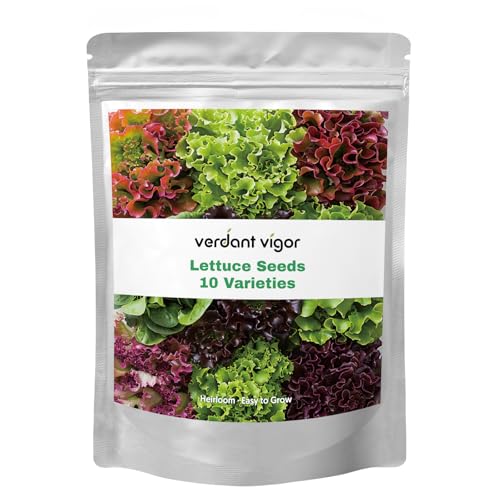
Healthy Food Source: Because of its tender flavor, lettuce is a popular vegetable for salad, sandwiches, wraps, soups, stir-fries and juice. There are over 20,000 seeds, 10 kinds of lettuce collection, including bibb, boston, iceberg, buttercrunch, grand rapids TBR, oakleaf, ruby leaf, cimmaron romaine and waldmann's
Seed Selection
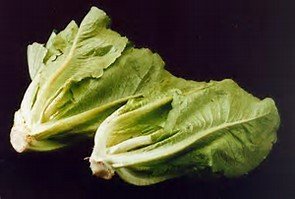
Choose head lettuce varieties based on your climate and time frame. Popular types include Butterhead, Iceberg, and Romaine. Each type varies in growth rate and taste. For quick growth, select fast-maturing seeds, typically ready in 55 to 70 days. When you purchase seeds, look for those labeled as organic or non-GMO to enhance quality. High germination rates also indicate reliable seeds.
Sowing Techniques
Sow lettuce seeds directly into the garden or containers. If starting indoors, use seed-starting trays filled with a quality seed mix. Place seeds about ¼ inch deep and cover lightly with soil. Maintain moisture without over-saturating. If sowing directly outdoors, ensure soil temperature is at least 55°F for successful germination.
Space seeds or seedlings about 12 to 18 inches apart to allow for proper air circulation. When seedlings measure 2 to 4 inches tall, thin them to promote healthy growth. Water consistently, keeping the soil evenly moist. As the plants mature, you might consider using mulch to retain moisture and suppress weeds.
Growing Stages of Head Lettuce
Understanding the growing stages of head lettuce helps you nurture healthy plants and achieve a bountiful harvest. This process consists of several key phases: germination, vegetative growth, and head formation.
Germination
Germination starts with seed placement in moist soil. Under optimal conditions, seeds sprout within 7 to 14 days. Keep the soil consistently damp but not waterlogged. Provide darkness or partial shade when starting seeds indoors, as this enhances germination rates. Check the seeds regularly for moisture, and use a spray bottle to avoid overwatering and displacing them.
Vegetative Growth
Vegetative growth follows germination, where lettuce plants develop leaves and roots. Expect this phase to last 3 to 5 weeks. Ensure your plants receive 6 to 8 hours of sunlight daily. Thin seedlings to provide adequate space, allowing for better air circulation and nutrient uptake. During this stage, maintain soil moisture and consider using organic fertilizers to support healthy leaf development.
Head Formation
Head formation signals the transition to the final growth stage. This phase begins after 5 to 6 weeks, lasting up to several weeks depending on the variety. During this time, watch for tight, compact formations. Consistent watering is key; aim for 1 to 2 inches per week. Avoid high temperatures to prevent premature bolting. Providing shade during hot weather helps protect the developing heads.
By following these stages diligently, you promote healthy growth and enjoy a successful head lettuce harvest.
Common Challenges in Head Lettuce Growth
Head lettuce faces several challenges that can hinder its growth. Understanding these obstacles helps in creating a successful growing environment.
Recommended Products

Heirloom Non-GMO Seeds: The seeds in garden starter kit contains approximately 600 easy grow salad greens gardening seeds, including Red&Green Leaf Lettuce, Romaine, Butter Head, Black Seeded Simpson, Red Sail and Marvel of 4 Seasons. Growing your own vegetables for eating has never been this easy!

Heirloom Non-GMO Seeds: The seed pod kit contains 6 kinds of lettuce seeds, they are Red&Green Leaf Lettuce, Romaine, Butter Head, Black Seeded Simpson, Red Sail, Marvel of 4 Seasons. Various kinds of lettuce seeds, each one is rich in nutritional value. 100% Non-GMO, open pollinated
Pests and Diseases
Pests and diseases pose significant threats to head lettuce. Common pests include:
- Aphids: Small, green insects that suck sap from leaves, causing wilting and stunted growth.
- Slugs and Snails: They feed on leaves, leaving behind holes and slime trails.
- Lettuce Caterpillars: These larvae consume leaves voraciously, leading to defoliation.
Disease concerns include:
- Downy Mildew: A fungal disease that results in yellowing leaves and often occurs in damp conditions.
- Lettuce Mosaic Virus: Causes mottling and yellowing, affecting plant vigor.
To manage these issues, regularly inspect your plants, apply organic pest control methods like neem oil, and choose disease-resistant varieties.
Environmental Factors
Environmental conditions heavily influence head lettuce growth. Key factors include:
- Temperature: Head lettuce thrives in temperatures between 60°F and 70°F. High heat can cause bolting (flowering), which impacts flavor and texture.
- Soil Quality: Ensure well-draining soil enriched with organic matter. It should maintain moisture without becoming waterlogged.
- Sunlight: Aim for 6 to 8 hours of direct sunlight daily. Too much shade can stunt growth.
To optimize these factors, test soil pH, which should range between 6.0 and 6.8, and use mulch to retain moisture and suppress weeds. By addressing these challenges, you can cultivate robust head lettuce plants.
Conclusion
Growing head lettuce can be a rewarding experience that connects you with your food. By understanding its growth stages and providing the right conditions you can enjoy a fresh and delicious harvest.
Remember to pay attention to soil quality sunlight and watering practices. These factors play a crucial role in ensuring your lettuce thrives. With a little care and patience you’ll be well on your way to cultivating beautiful heads of lettuce that’ll elevate your meals.
So grab those seeds and get started on your lettuce-growing journey. You might just find it’s easier and more enjoyable than you expected!
Frequently Asked Questions
What is head lettuce and why is it popular?
Head lettuce is a leafy green vegetable characterized by its compact shape and crisp texture. It’s popular for salads and sandwiches due to its fresh taste and crunchy quality. Varieties such as Butterhead, Iceberg, and Romaine are widely enjoyed, making it a staple in many diets.
How long does it take for head lettuce to grow?
Head lettuce typically takes about 70 to 80 days from seed to harvest. This time frame includes key growth stages, such as germination, vegetative growth, and head formation, which collectively promote healthy and robust lettuce plants.
What are the ideal growing conditions for head lettuce?
Head lettuce thrives in cooler temperatures between 60°F and 70°F, with 6 to 8 hours of sunlight daily. It prefers well-draining soil enriched with organic matter and a pH of 6.0 to 6.8. Proper watering and drainage are also essential to prevent rot.
How should I plant head lettuce seeds?
When planting head lettuce seeds, choose a suitable variety based on your climate. You can sow seeds directly in the garden or start them indoors. Ensure they are planted to the recommended depth and maintain consistent moisture. Provide adequate spacing for air circulation.
What pests should I watch for when growing head lettuce?
Common pests that affect head lettuce include aphids, slugs, snails, and lettuce caterpillars. Regularly inspecting your plants is vital. Implement organic pest control methods and choose disease-resistant varieties to safeguard your crop.
How can I ensure a successful head lettuce harvest?
To ensure a successful harvest, maintain consistent watering and use mulch to retain soil moisture. Monitor for pests and diseases, and adhere to optimal growing conditions regarding soil, sunlight, and temperature. Following these practices will lead to healthy growth and a bountiful yield.
