

Have you ever stared at your garden wondering when it’s finally time to pick that crisp iceberg lettuce? You’re not alone. Many gardeners face the challenge of knowing the perfect moment to harvest, and getting it right can make all the difference in taste and texture.
Key Takeaways
- Optimal Harvest Time: Iceberg lettuce is usually ready for harvest 70 to 90 days after planting, indicated by heads measuring 6 to 8 inches in diameter and feeling firm to the touch.
- Visual Cues: Look for a rounded shape with tightly packed, vibrant green leaves; yellowing or loose heads suggest it’s time to harvest.
- Leaf Texture: Crisp and firm leaves mean the lettuce is ripe; soft or floppy leaves may indicate overripeness.
- Harvesting Techniques: Use a sharp knife to cut the head at the base, protecting outer leaves, and handle harvested heads gently to avoid bruising.
- Proper Storage: After harvesting, rinse and dry heads, then wrap in paper towels and refrigerate to maintain freshness; consume within one week for best quality.
- Regular Checks: Inspect stored lettuce regularly for spoilage, removing any damaged leaves to prolong freshness.
Factors To Consider For Harvesting Iceberg Lettuce
Knowing when to harvest iceberg lettuce involves assessing various factors. These key aspects help ensure you pick your lettuce at its peak flavor and freshness.
Recommended Products

Produces a firm head of lettuce perfect for salads, popular salad green that is known for its crisp texture and mild flavor

Complete Lettuce Garden Starter Kit Indoor – 5 heirloom salad and green seed packets, 8 biodegradable soil disks, 8 plant markers, and 8 starter pots. Romaine, Spinach, Arugula, Kale and Buttercrunch lettuce heirloom seeds are the star of the set!

K115 Crop Harvest Knife, 7.25-Inch Blade, is designed for trimming lettuce, greens, and soft-stemmed vegetables.
Plant Maturity
Check for plant maturity around 70 to 90 days after planting seeds. The size of the head indicates maturity. Typically, a mature iceberg lettuce head measures 6 to 8 inches in diameter. If the head feels firm and compact when gently squeezed, it’s ready for harvest. Harvest too early, and you may end up with smaller, less flavorful heads. Wait too long, and the taste can turn bitter as the plant bolts.
Appearance of the Head
Observe the appearance of the head closely. Look for a dense, rounded shape with tightly packed leaves. The outer leaves should be a vibrant green color. If the leaves start to yellow or the head appears loose, it signals that the lettuce is past its prime. Additionally, slight cracking or splitting indicates it’s time to harvest. These visual cues play an essential role in determining your lettuce’s readiness.
Signs That Indicate It’s Time To Harvest
Knowing when to harvest iceberg lettuce ensures optimal flavor and texture. Several signs indicate the right time for picking your crop.
Leaf Texture
Check the texture of the leaves. When you touch the leaves, they should feel crisp and firm. If they’re soft or floppy, the lettuce may be overripe. Gently tug on a few outer leaves; they should detach easily. This indicates readiness. If the leaves appear leathery or have a rough texture, it’s time to harvest.
Size of the Head
Observe the size of the head. Iceberg lettuce typically reaches harvest size between 6 to 8 inches in diameter. Use your hands to measure; if the head feels dense and solid when you gently squeeze it, it’s ripe. If the head continues to grow past 8 inches, it may risk becoming bitter. Harvest promptly when you achieve the desired size for the best taste.
Techniques For Harvesting Iceberg Lettuce
Harvesting iceberg lettuce requires attention to detail and the right tools. Following specific techniques ensures you gather the freshest heads with optimal flavor.
Recommended Products
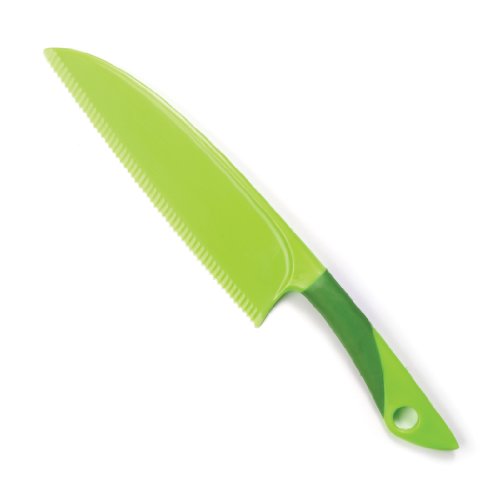
Non-slip, soft grip handle

NON-TOXIC & BPA FREE - Constructed from long-lasting and heat-resistant polystyrene plastic. No BPA material, tasteless, non-toxic, dishwasher safe lettuce cutting knife to prevent turning brown.
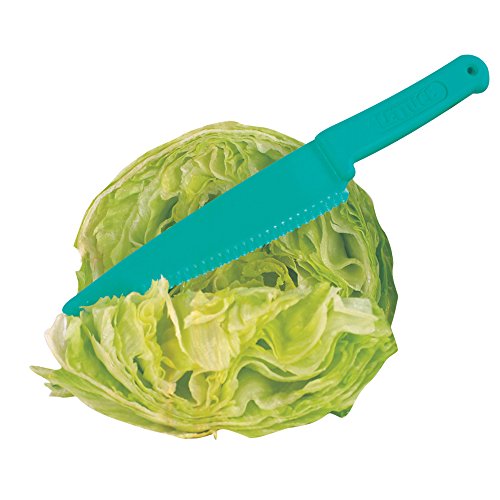
DURABLE DESIGN: Constructed from long-lasting and heat-resistant polystyrene plastic.
Tools Needed
- Sharp Knife: A clean, sharp knife makes cutting easier and reduces damage to the plant.
- Garden Gloves: Protect your hands while handling the foliage.
- Basket or Crate: Use a sturdy container for collecting your harvested lettuce.
- Water: Keep the harvested heads damp to maintain freshness until they’re ready to be used.
- Identify Heads: Look for heads that are firm and dense, typically 6 to 8 inches in diameter.
- Cut Below the Base: Use your sharp knife to cut the head at the base, leaving some outer leaves intact for protection.
- Gently Place in Container: Carefully place the cut heads into your basket or crate to avoid bruising.
- Check for Quality: Inspect each head for any yellowing or damage as you harvest. Discard any that show signs of overripeness.
- Store Properly: Keep the harvested lettuce cool and hydrated until use. Store it in the refrigerator to maintain freshness.
Storing Harvested Iceberg Lettuce
After harvesting your iceberg lettuce, proper storage ensures freshness and quality. Follow these steps to store your lettuce effectively.
Cleaning
- Rinse heads of lettuce gently under cool water to remove dirt and debris.
- Pat them dry with a clean kitchen towel or use a salad spinner to remove excess moisture.
Packaging
- Wrap each head in a paper towel. This absorbs excess moisture and prevents rot.
- Place wrapped lettuce in a perforated plastic bag or container. This promotes airflow while keeping them protected.
Refrigeration
- Store your packaged lettuce in the crisper drawer of your refrigerator. The temperature there typically ranges between 32°F and 40°F.
- Check your lettuce every few days for any signs of spoilage. Remove any damaged leaves immediately to prolong freshness.
- Consume stored iceberg lettuce within one week for the best flavor and texture.
- If you notice the leaves wilting or turning yellow, use them in salads or soups quickly to avoid waste.
By adhering to these storage practices, you’ll maintain the crispness and quality of your iceberg lettuce until you’re ready to enjoy it.
Conclusion
Knowing when to harvest your iceberg lettuce can make all the difference in taste and texture. By paying attention to the signs of maturity and avoiding overripeness you can enjoy a crisp and flavorful harvest.
Once you’ve picked your lettuce be sure to store it properly to keep it fresh for as long as possible. With a little care and attention you can savor the fruits of your labor and add a delightful crunch to your meals. Happy gardening and enjoy your delicious iceberg lettuce!
Frequently Asked Questions
When is the best time to harvest iceberg lettuce?
The best time to harvest iceberg lettuce is when the heads are firm and dense, indicating maturity. Typically, this is about 70 to 85 days after planting. Keep an eye on the visual cues, such as a tight head and vibrant color to ensure peak flavor and freshness.
What are the signs of overripeness in iceberg lettuce?
Signs of overripeness in iceberg lettuce include bolting, yellowing leaves, or a loose, opened head. If you notice these changes, it’s important to harvest immediately to avoid a decline in taste and texture.
What tools do I need to harvest iceberg lettuce?
To harvest iceberg lettuce, you’ll need a sharp knife for cutting, garden gloves for protection, and perhaps a basket for collection. A sharp knife ensures a clean cut, helping to preserve the vegetable’s quality.
How should I store harvested iceberg lettuce?
Store harvested iceberg lettuce by cleaning the leaves, then wrapping them in paper towels. Place the wrapped lettuce in perforated plastic bags and refrigerate in the crisper drawer to maintain freshness.
How often should I check for spoilage in stored lettuce?
Check your stored iceberg lettuce for spoilage every few days. Look for wilting or yellowing leaves. Consume the lettuce within a week for the best flavor and prevent waste.
What should I do if my iceberg lettuce leaves start to wilt?
If the leaves of your iceberg lettuce begin to wilt, try to use them quickly in salads or dishes. Wilted leaves can still be flavorful, but it’s best to consume them as soon as possible to avoid waste.
