

Have you ever opened your fridge only to find your shredded lettuce looking wilted and sad? It’s a common problem that can turn a fresh salad into a soggy disappointment. You want your meals to be crisp and vibrant, but keeping that lettuce fresh can feel like a challenge.
Key Takeaways
- Proper storage is crucial for maintaining the freshness of shredded lettuce; use airtight containers and keep it dry to prevent wilting.
- Wrapping shredded lettuce in paper towels helps absorb excess moisture while preventing it from drying out completely.
- Store shredded lettuce in the refrigerator at a temperature between 33°F and 40°F for optimal freshness, avoiding the door where temperatures fluctuate.
- Avoid storing shredded lettuce with ethylene-producing vegetables like tomatoes to prevent premature spoilage.
- Regularly check the freshness of your shredded lettuce, discarding any wilted or discolored parts to maintain overall quality.
- Fresh shredded lettuce enhances the taste and texture of salads and sandwiches, promoting healthier eating habits.
Importance Of Fresh Shredded Lettuce
Fresh shredded lettuce enhances salads and sandwiches, making them visually appealing and nutritious. Crisp, bright lettuce adds texture and flavor, elevating any meal. When lettuce is fresh, it retains higher nutrient levels, providing essential vitamins and minerals.
Using fresh shredded lettuce can improve texture and taste. Wilted lettuce often tastes bitter or bland, detracting from the overall enjoyment of your dishes. For instance, crisp lettuce pairs well with crunchy vegetables and adds a refreshing element to grilled burgers.
Storing shredded lettuce correctly extends its shelf life. Proper storage prevents oxidation and moisture loss, keeping lettuce crisp for longer. Fresh lettuce also maintains its vibrant color, which can stimulate appetite and make meals more inviting.
Having fresh shredded lettuce on hand promotes healthy eating habits. You’ll find it easier to incorporate salads into your meals when the lettuce is readily available and appealing. Moreover, having it fresh encourages creativity in the kitchen, inspiring you to experiment with various salads and wraps.
Targeted practices can help preserve your lettuce. Using airtight containers, keeping it dry, and minimizing exposure to air can greatly extend its freshness.
Best Storage Methods
Keeping shredded lettuce fresh requires the right storage techniques. You can easily enhance its longevity and maintain the crispness with simple steps.
Using Airtight Containers
Using airtight containers is one of the most effective methods to store shredded lettuce. Select a container that seals tightly to limit air exposure. First, ensure the lettuce is completely dry before placing it inside. Moisture can cause the lettuce to wilt quickly. When you’re ready to use it, you’ll find the lettuce remains fresh and ready for salads or sandwiches.
Wrapping in Paper Towels
Wrapping shredded lettuce in paper towels also helps maintain its freshness. This method absorbs excess moisture while preventing it from drying out completely. Start by layering a few paper towels on a plate or a storage container. Place the shredded lettuce on top and then cover it with more paper towels. Secure the lid or plastic wrap around the container to minimize air exposure. When needed, this approach keeps your lettuce crisp and crunchy.
Tips For Keeping Lettuce Crisp
Keeping shredded lettuce fresh requires attention to temperature and moisture. Here are some effective strategies.
Recommended Products

PRODUCE STORAGE CONTAINER + COLANDER: This produce saver features an adjustable air vent & water reservoir to create the ideal environment for fresh fruits & vegetables, keeping them fresh longer.

5 packs : You will get 5 fridge storage containers with colander size from 300 ml to 4200 ml [10 oz - 148 oz ]. Suited for Most fruits, vegetables, berries, meats.
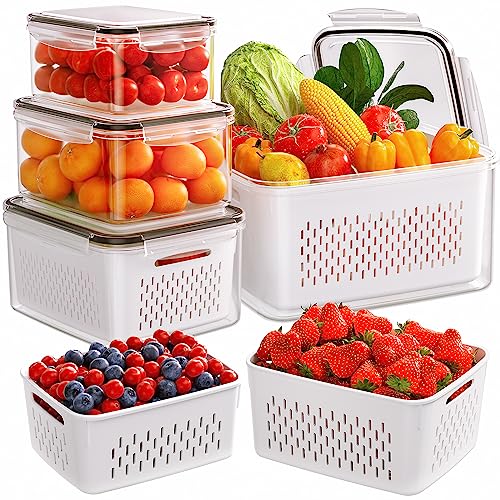
【5 Different Size & Large Capacity】 Upgrade fruit containers for fridge set include 5 pack of X-Large size 140 OZ(4.15L) + large size 106 OZ (3.15L) + medium size 57 OZ(1.7L) + small size 27 OZ(0.8L) +mini size 12 OZ(0.35L). Various capacities can perfectly fit for most fruits, veggies produce and other food storage.
Temperature Control
Maintain a cool environment. Store shredded lettuce in the refrigerator at a temperature between 33°F and 40°F. This temperature range slows down decay and keeps the leaves crisp. Avoid placing it in the door, where temperatures fluctuate. Instead, keep it in the main compartment for optimal coolness.
Moisture Regulation
Manage moisture levels carefully. Excess moisture can cause lettuce to wilt. Wrap shredded lettuce in a dry paper towel before storing it in an airtight container. This absorbs any moisture and keeps the lettuce crisp. Alternatively, you can use a salad spinner to remove excess moisture after washing. Ensure that the lettuce is fully dry before sealing it away, as this prevents sogginess and lengthens its freshness.
Common Mistakes To Avoid
Avoiding certain pitfalls can significantly improve your shredded lettuce’s freshness. Below are some key mistakes to steer clear of.
Storing With Other Vegetables
Storing shredded lettuce with other vegetables often leads to premature spoilage. Many vegetables release ethylene gas, which accelerates the ripening process. Keep shredded lettuce separate from ethylene-producing items like tomatoes and bananas. Instead, store it alongside non-ethylene emitters such as carrots or bell peppers. Using dedicated containers for lettuce also helps maintain its crispness.
Not Checking Freshness Regularly
Neglecting to check your shredded lettuce’s freshness regularly can result in unwanted spoilage. Make it a habit to inspect the lettuce every few days. Look for any discoloration, wilting, or sliminess. If you notice any signs of deterioration, discard the affected portions promptly to prevent it from spreading to the rest. Keeping a consistent check aids in ensuring you only use the freshest shreds for your salads and sandwiches.
Conclusion
Keeping your shredded lettuce fresh is all about the right storage techniques and a little attention to detail. By using airtight containers and managing moisture levels you can enjoy crisp lettuce for days. Remember to check for any signs of spoilage regularly and store your lettuce away from ethylene-producing fruits and veggies.
With these simple steps you can elevate your salads and sandwiches while minimizing waste. Fresh shredded lettuce not only enhances your meals but also encourages healthier eating habits. So go ahead and enjoy that vibrant crunch in every bite!
Frequently Asked Questions
How can I keep shredded lettuce fresh in the fridge?
To keep shredded lettuce fresh, store it in an airtight container to limit air exposure. Ensure the lettuce is completely dry before sealing. Additionally, wrapping it in paper towels can absorb excess moisture and maintain crispness.
What temperature is best for storing shredded lettuce?
The ideal temperature for storing shredded lettuce is between 33°F and 40°F. Avoid placing it in the fridge door, where temperatures fluctuate, as this can lead to spoilage.
Why should I avoid storing shredded lettuce with certain fruits and vegetables?
Shredded lettuce should not be stored with ethylene-producing fruits and vegetables like tomatoes and bananas, as they can accelerate spoilage. Instead, keep it with non-ethylene emitters like carrots or bell peppers.
How often should I check the freshness of my shredded lettuce?
Regularly check the freshness of your shredded lettuce every few days for signs of discoloration, wilting, or sliminess. Discard any spoiled portions promptly to maintain overall freshness.
What are common mistakes to avoid with shredded lettuce storage?
Common mistakes include not using airtight containers, storing with ethylene-producing items, and failing to dry the lettuce before storage. Avoid these to extend shelf life and maintain crispness.
