

Have you ever wondered when the perfect time is to pick your romaine lettuce? You’re not alone. Many gardeners face the challenge of knowing just when to harvest this delicious green. Timing can make all the difference between a crisp, flavorful salad and a bitter, overgrown plant.
Key Takeaways
- Harvest Timing: Optimal harvesting occurs when romaine lettuce leaves are 6 to 10 inches long, deep green, and firm to the touch, typically around 60 to 70 days after planting.
- Ideal Conditions: Romaine grows best in temperatures between 60°F and 70°F, in well-drained, fertile soil with full sun exposure and consistent moisture.
- Seasonal Considerations: Be mindful of seasonal changes; harvest spring crops before summer heat causes bitterness, and fall crops before frost.
- Harvesting Techniques: Use garden scissors to cut at the base of the stem, ideally in the morning to preserve crispness; consider harvesting outer leaves for continuous growth.
- Post-Harvest Care: Clean lettuce by rinsing under cool water and store it wrapped in a damp paper towel inside a perforated bag in the refrigerator for maximum freshness.
- Shelf Life: For optimal taste and texture, consume romaine lettuce within 5 to 7 days of harvesting, removing any deteriorating leaves promptly.
Understanding Romaine Lettuce
Romaine lettuce is a popular choice for home gardeners. Knowing its characteristics and ideal growing conditions helps you grow a thriving crop.
Characteristics of Romaine Lettuce
Romaine lettuce features long, sturdy leaves with a crisp texture. Its deep green color signifies freshness. The flavor ranges from sweet to slightly bitter, depending on the growing conditions and maturity. This variety typically grows in a tall, upright manner, making it space-efficient in gardens. Look for heads that feel firm and dense for the best quality.
Ideal Growing Conditions
Romaine thrives in cool to moderate temperatures, ideally between 60°F and 70°F. It prefers well-drained, fertile soil with a pH range of 6.0 to 6.8. Ensure your plants receive full sun exposure for at least six hours daily. Keep the soil consistently moist, avoiding waterlogging. Providing proper spacing—about 12 to 18 inches apart—allows for adequate air circulation and growth. With these conditions in mind, you can cultivate flavorful romaine lettuce with ease.
Timing for Harvesting Romaine Lettuce
Harvesting romaine lettuce at the right time ensures crispness and flavor. Timing affects taste and texture, so keep an eye on growth.
Signs of Maturity
Romaine lettuce shows several signs when it’s ready to harvest:
- Leaf Size: Look for leaves that are 6 to 10 inches long. At this stage, the leaves are firm and crisp.
- Color: Check for a deep green color. This indicates healthy growth and flavor.
- Density: Feel for compact heads. Mature romaine has sturdy foliage and a firm core.
- Weather: Monitor temperature. Harvest before the heat of summer causes bitterness.
Seasonal Considerations
Season impacts the timing of your harvest:
- Spring Growth: Typically, romaine is planted in early spring. Aim for a harvest about 60 to 70 days after sowing.
- Fall Growth: For fall crops, sow seeds in late summer. Harvest before frost to avoid damage and maintain quality.
- Temperature: Cool conditions are ideal for romaine. If daytime temperatures exceed 75°F, consider an earlier harvest for better taste.
- Day Length: Shorter days promote leaf growth. If days lengthen, harvest promptly to avoid bolting.
By paying attention to these signs and seasonal factors, you can enjoy a perfect harvest of romaine lettuce at its peak flavor.
Step-by-Step Guide to Harvesting Romaine Lettuce
Harvesting romaine lettuce is straightforward and rewarding. Follow these steps to enjoy crisp, fresh leaves straight from your garden.
Tools Needed
Gather these essential tools before you start harvesting:
- Garden scissors or sharp knife: Use these for a clean cut.
- Basket or container: Collect your harvested lettuce to prevent bruising.
- Garden gloves: Protect your hands, especially if you’re working with soil.
- Measuring tape: Check leaf sizes if needed.
Harvesting Techniques
Use the following techniques for optimal harvesting:
- Check for maturity: Ensure the heads are 6 to 10 inches long with a deep green color.
- Cut at the base: Position your scissors or knife at the base of the stem, making a clean cut. Avoid tearing the leaves to maintain freshness.
- Harvest in the morning: Pick lettuce during the cooler morning hours. This timing preserves crispness.
- Separate outer leaves: If you want continuous growth, remove a few outer leaves instead of cutting the entire head.
Following these steps provides a satisfying experience and encourages healthy regrowth of romaine lettuce.
Post-Harvest Handling
Post-harvest handling is crucial for maintaining the freshness and quality of romaine lettuce after you’ve harvested it. Proper care ensures the lettuce retains its crispness and flavor until you’re ready to enjoy it.
Recommended Products

Keep your produce fresh for longer: The PrepSolutions Lettuce Keeper keeps your produce fresh with an adjustable air vent and water reservoir, creating the ideal environment for fresh fruits and vegetables. Item measures 12.5" W x 7.25" D x 5.25" H and weighs 1.14 lbs.
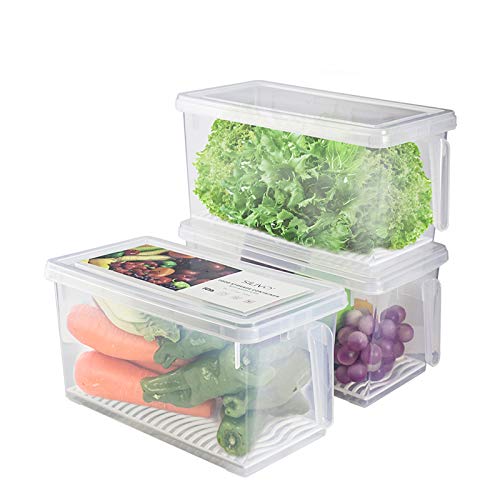
Keep Produce Fresh Longer: Produce saver containers for refrigerator helps prevent spoilage, keep fruits and vegetables crisp and stay longer.

KEEP PRODUCE FRESHER LONGER: Rubbermaid FreshWorks Produce Saver uses FreshVent technology to regulate airflow, so your produce stays fresher longer.
Cleaning and Preparing
Clean your romaine lettuce soon after harvesting. Rinse each head under cool running water to remove dirt and any pests. You can soak them in a bowl of cold water for about 10 minutes if they’re particularly dirty. After soaking, gently agitate the leaves in the water to dislodge any remaining soil. Drain the lettuce thoroughly, then dry it using a salad spinner or by patting it dry with a clean towel. For longer storage, remove any damaged or wilted outer leaves to keep the remaining leaves fresh.
Storage Recommendations
Store your cleaned romaine lettuce to prolong its shelf life. Wrap the lettuce heads in a damp paper towel. Place them inside a perforated plastic bag or a container with ventilation holes. Refrigerate your stored romaine lettuce in the crisper drawer, where humidity is higher. The ideal storage temperature ranges from 33°F to 36°F (1°C to 2°C). For maximum freshness, consume your romaine lettuce within 5 to 7 days. If you notice any deterioration, such as wilting or browning, remove the affected leaves immediately to prevent spoilage.
Conclusion
Harvesting romaine lettuce can be a rewarding experience when you know what to look for. By paying attention to the signs of maturity and using the right techniques you can enjoy fresh and flavorful lettuce right from your garden.
Remember to handle your harvest with care to keep it crisp and delicious. With a bit of practice and patience you’ll be able to enjoy the fruits of your labor in salads and sandwiches. Happy gardening and enjoy your romaine!
Frequently Asked Questions
When is the best time to harvest romaine lettuce?
Harvest romaine lettuce when the leaves are 6 to 10 inches long, deep green in color, and the heads are compact. This typically occurs 60 to 70 days after planting in cool to moderate temperatures.
What are the ideal growing conditions for romaine lettuce?
Romaine lettuce thrives in cool to moderate temperatures, well-drained fertile soil, and full sun exposure. Proper spacing is essential for promoting healthy growth and preventing overcrowding.
How can I tell if my romaine lettuce is ready for harvest?
Look for sturdy leaves that measure between 6 to 10 inches, deep green coloration, and compact heads. These signs indicate optimal maturity for a crisp and flavorful harvest.
What tools do I need for harvesting romaine lettuce?
Essential tools include garden scissors, a basket for collection, gloves for protection, and measuring tape to check leaf size. Having these tools on hand will help facilitate an efficient harvest.
How should I handle romaine lettuce after harvesting?
After harvesting, rinse romaine lettuce under cool water to remove dirt and pests. Wrap the cleaned heads in a damp paper towel and store them in a perforated plastic bag in the refrigerator’s crisper drawer.
How long can I store harvested romaine lettuce?
Fresh romaine lettuce can be stored for 5 to 7 days. For best results, monitor for spoilage and remove any deteriorating leaves promptly to maintain quality.
