

Ever wondered how to grow your own crunchy, vibrant carrots right in your backyard? Picture this: It’s a sunny day, and you’re harvesting fresh, homegrown carrots for your next meal. Exciting, right? In this article, you’ll discover the simple steps to plant carrots successfully and enjoy a bountiful harvest in no time.
Have you ever bought carrots at the store, only to find them lackluster in taste and freshness? Say goodbye to that disappointment! By learning how to plant carrots, you’ll savor the unmatched flavor of homegrown produce straight from your garden. Get ready to elevate your meals with the sweetness and crispness of carrots you’ve nurtured yourself.
Choosing the Right Carrot Variety
When choosing a carrot variety, consider factors such as soil type, climate, and preferred taste. Some popular carrot types include:
- Nantes: Sweet and tender, ideal for heavy or rocky soil.
- Danvers: Great for clay soil, known for their strong flavor.
- Chantenay: Short and stout, perfect for shallow soil or containers.
- Imperator: Long and straight, suitable for deep, loose soil.
Select a variety that suits your growing conditions and culinary preferences for the best results.
Selecting the Ideal Planting Location
When choosing where to plant your carrots, consider the following factors:
- Sunlight: Carrots thrive in full sunlight, so pick a spot in your garden that receives at least 6 hours of sun daily.
- Soil Quality: Opt for well-draining soil to prevent rot and ensure that your carrots grow straight. Loose, sandy soil is ideal.
- pH Level: Carrots prefer slightly acidic to neutral soil with a pH range between 6.0 and 7.0.
- Space: Make sure to select an area with enough space for your carrots to grow deep roots without competing with other plants.
Remember, the success of your carrot crop hinges on choosing the right spot for planting.
Preparing the Soil for Planting
To set the stage for healthy carrot growth, soil preparation is key:
- Begin by loosening the soil to a depth of 12-15 inches.
- Remove rocks, weeds, and debris from the planting area.
- Incorporate compost to improve soil structure and fertility.
- Ensure the soil is well-draining to prevent waterlogging.
For optimal results, aim for a loamy soil texture that provides a balance of drainage and moisture retention.
Recommended Products

Quick, at home results for Soil pH, Nitrogen, Phosphorous and Potash Innovative and inexpensive soil test kit features an easy-to-use capsule system and patented color comparators

Quick, at home results for Soil pH, Nitrogen, Phosphrous and Potash

HEIRLOOM BABY CARROT VARIETY - Little Finger carrots are small but mighty, producing sweet, crisp roots just 3–4 inches long that are perfect for fresh snacking or gourmet meals
Planting Carrot Seeds or Seedlings
When it comes to planting carrot seeds or seedlings, timing is key.
- Seeds: Sow carrot seeds directly into the soil in early spring or late summer for a fall harvest.
- Seedlings: If using seedlings, transplant them carefully into the prepared garden bed.
Ensure the soil is moist but not waterlogged before planting. Here’s a simple guide for both options:
- Seeds:
- Dig shallow furrows in the soil.
- Plant seeds about half an inch deep and space them according to the seed packet instructions.
- Cover lightly with soil and water gently.
- Seedlings:
- Dig holes at appropriate distances based on the plant’s growth requirements.
- Carefully remove seedlings from their containers, place them in the holes, and fill with soil.
- Water the seedlings immediately after planting.
Remember, thin out the seedlings as they grow to ensure adequate space for mature roots.
Caring for Carrot Plants
When it comes to Caring for Carrot Plants, consistency is key. Here are some tips to help you nurture your carrot crop:
- Watering: Keep the soil consistently moist but not waterlogged. Be mindful not to let the soil dry out completely, especially during hot weather.
- Weeding: Regularly weed around your carrot plants to prevent competition for nutrients and ensure healthy growth. Be gentle near the plants to avoid damaging their delicate roots.
- Thinning: As your carrot plants grow, thin them out to provide enough space for the roots to develop fully. Aim for about 2-3 inches of space between each plant.
- Protection: Consider using mulch to help retain moisture in the soil and prevent weed growth. This can also protect the carrot roots from becoming exposed and turning green.
- Pest Control: Keep an eye out for pests like carrot rust flies. Consider using row covers to protect your plants or look into organic pest control methods.
By following these care tips, you’ll be on your way to harvesting healthy and delicious carrots from your own garden.
Harvesting Your Homegrown Carrots
When to Harvest:
- Carrots are ready for harvest when they reach a diameter of about half an inch.
- Typically, this is around 70-80 days after planting, but you can always check by gently pulling one up to inspect its size.
Harvesting Techniques:
- Loosen the soil around the carrot with a garden fork before gently pulling it out.
- Remove them carefully to avoid damaging the roots, as this may shorten their shelf life.
Storing Your Carrots:
- Cut off the tops to prevent them from drawing out moisture and nutrients.
- Store them in a cool, humid place in perforated bags to maintain freshness.
- Fresh homegrown carrots are crisp and sweet – perfect for salads, stir-fries, or simply as a healthy snack.
- Did you know that carrots are packed with vitamin A, essential for healthy vision?
| Key Points | Details |
|---|---|
| Carrots ready to harvest | When diameter is about half an inch |
| Time to harvest | Around 70-80 days after planting |
| Storing tip | Cut off tops and store in cool, humid place |
| Nutrition tip | Carrots are rich in vitamin A for healthy vision |
Recommended Products

- {Great Size} 8"x10"x3" dimensions with gusseted bottom, 8 inches by 10 inches with a gusseted bottom of 3 inches accomodating various sizes and shapes of products. - {Better Materials} Food Grade CPP Film with a higher tear and impact resistance and better cold temperature performance and heat sealing properties. Cast Polypropylene Film (CPP) is more favorable than (BOPP). - {Boxed Set} A set of 200 High Transparency bags with self-seal tape. Comes in a boxed dispenser keeping bags well contained for easy use and storage. - {Micro-perforated Bags} 28-32 hot needled holes per square inch allows for air permeability - for excess moisture to escape the bag. Permitting longer freshness.
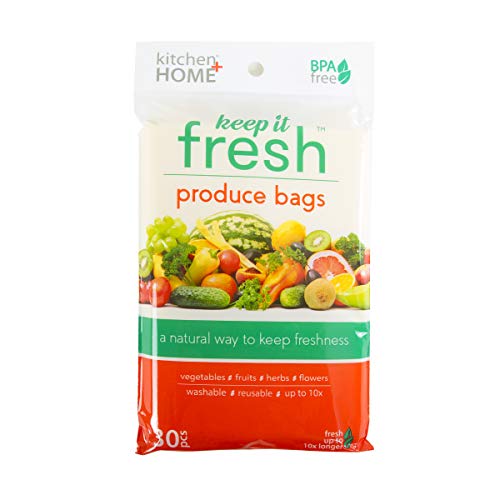
PRESERVE FRESHNESS – As fruits and vegetables ripen they naturally emit ethylene gas which speeds up the natural decomposition process. Keep it Fresh produce bags absorbs this harmful gas and slows down the ripening process, so your produce and flowers stay fresh up to 10 times longer!
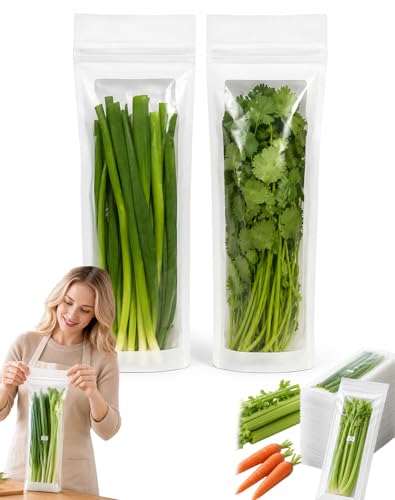
【Specially Engineered Extra-Long Silhouette】Stop crushing your fresh greens into awkward shapes. Designed specifically for long, narrow produce like green onions, celery, asparagus, and carrots, these slim 12.6-inch bags eliminate wasted space and keep your refrigerator crisper drawer beautifully organized.
Conclusion
That’s it! You now know how to harvest and store your homegrown carrots. Remember to pick them when they’re about half an inch in diameter and handle them gently. To keep them fresh, cut off the tops and store them in a cool, humid place. And don’t forget the amazing benefits of carrots for your vision! Happy planting and enjoy your delicious, nutritious carrots straight from your own garden.
Frequently Asked Questions
When is the best time to harvest homegrown carrots?
Harvest homegrown carrots when they reach a diameter of about half an inch, which is usually around 70-80 days after planting. To prevent root damage, loosen the soil and gently pull them out.
How should I store homegrown carrots for freshness?
To store homegrown carrots, cut off the tops to retain freshness and store them in a cool, humid place. The best way to store carrots is to place them in perforated bags to maintain proper ventilation.
What are the nutritional benefits of eating carrots?
Carrots are rich in vitamin A, which is beneficial for maintaining healthy vision. They also contain antioxidants and fiber, making them a nutritious addition to your diet.
