

Ever wondered how to enjoy fresh, crisp lettuce right from your kitchen? Growing lettuce indoors is easier than you might think, and it’s a rewarding way to add a touch of greenery to your home. Whether you’re short on outdoor space or just want to have fresh salad greens at your fingertips, indoor gardening can solve that problem.
Key Takeaways
- Optimal Conditions: Maintain indoor temperatures between 60°F and 70°F, providing 12 to 16 hours of light daily to promote healthy lettuce growth.
- Quality Soil & Containers: Use nutrient-rich potting mix with good drainage in containers with holes; aim for a pH between 6.0 and 7.0 for best results.
- Regular Care: Water consistently, keeping the soil moist but not soggy, and fertilize biweekly using a nitrogen-rich water-soluble fertilizer.
- Variety Selection: Choose the right lettuce varieties like Romaine, Butterhead, or Leaf Lettuce, depending on your taste and available space for continuous harvests.
- Pest Management: Regularly inspect plants for pests and diseases, utilizing insecticidal soap or neem oil if necessary, while maintaining good air circulation to prevent mold.
- Harvesting Techniques: Harvest leaves when they reach 4 to 6 inches, cutting above ground to encourage regrowth for multiple yields from a single planting.
Understanding Indoor Lettuce Growth
Growing lettuce indoors involves several key factors that affect its development. You’ll create a suitable environment with the right temperatures, light, and moisture levels for optimal growth.
Temperature
Maintain a temperature range of 60°F to 70°F for best results. Lettuce thrives in cooler conditions. If temperatures exceed 75°F, plants may bolt, resulting in bitter leaves.
Light
Provide sufficient light for your lettuce. Aim for at least 12 to 16 hours of light daily. Use fluorescent or LED grow lights if natural sunlight is insufficient. Position the lights about 6 to 12 inches above the plants. Adjust the height as the plants grow.
Soil and Containers
Choose a quality potting mix designed for indoor gardening. Containers should have drainage holes to prevent overwatering. Standard 6-inch pots work well for compact lettuce varieties. If space allows, consider larger containers for higher yields.
Watering
Keep the soil consistently moist but not soggy. Check the top inch of soil; if it feels dry, it’s time to water. Use room temperature water to avoid shocking your plants. Implement a regular watering schedule to maintain moisture levels.
Nutrients
Fertilize your lettuce every two weeks with a water-soluble fertilizer. Look for one high in nitrogen to encourage leafy growth. Follow package instructions for mixing ratios to avoid over-fertilization.
Air Circulation
Ensure good air circulation around your plants. Proper airflow helps prevent mold and diseases. You can use a small fan to keep the air moving, especially in humid environments.
Harvesting
Harvest lettuce leaves when they reach about 4 to 6 inches in height. Cut the leaves just above the ground to encourage regrowth. This method allows you to enjoy multiple harvests over several weeks.
By optimizing these elements, you’ll create an excellent environment for growing lettuce indoors. You’ll enjoy fresh greens right from your kitchen, enhancing your culinary adventures.
Preparing for Indoor Gardening
Preparing for indoor gardening enhances your success in growing lettuce. Focus on the right varieties and gather essential supplies for a thriving setup.
Recommended Products

High planting efficiency: Start an indoor herb garden with the Ahopegarden hydroponic growing system, which includes a water reservoir, an overhead LED grow light, and a circulation system that keeps the water fresh. The hydroponic setup and lighting systems allow plants to grow up to faster and healthier in controlled conditions. Simply add plant seeds, water, and nutrients to the reservoir and watch the plants grow
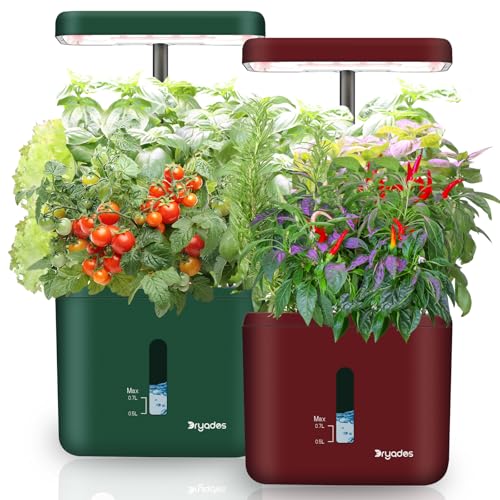
INDOOR INTELLIGENT, MORE EFFICIENT: Indoor soil cultivation planting system adopts full-spectrum technology, 5 times more efficient than outdoor traditional cultivation, controllable LED grow lights set 8H/12H/16H light time, do not affect the personal work and rest at the same time to ensure that the Potted plants are at optimum temperatures all year round in order to promote photosynthesis in any weather.

HARVEST ANYWHERE & ANYTIME: Indoor gardening system efficient 24-watt LED grow light simulates optimal effects of sunlight. Technology optimized for plants, herbs garden LED panel can be adjusted to 180° maximum and 21inches maximum height, plants receive more illumination area, maximize photosynthesis, and also more convenient for pruning branch leaves. Hydroponics plants grow 5 times faster than soil, harvest fresh all year round
Choosing the Right Lettuce Varieties
Choosing the right lettuce varieties ensures healthy growth and a continuous harvest. Popular options include:
- Romaine: Offers a crisp texture and grows well in containers.
- Butterhead: Known for its tender leaves and compact growth, suitable for smaller spaces.
- Leaf Lettuce: Available in multiple colors and varieties, ideal for staggered planting.
- Crisphead: Requires more space but provides a crunchy texture and pleasing shape.
Select varieties based on your taste and the available space. Opt for quicker-growing types to enjoy a faster yield.
Essential Supplies and Equipment
Gathering essential supplies and equipment lays the groundwork for successful indoor lettuce growth. Key items include:
- Containers: Use pots or trays with drainage holes, ensuring proper root health.
- Soil: Choose a high-quality potting mix designed for vegetables, rich in nutrients.
- Grow Lights: Install full-spectrum grow lights for 14-16 hours of light daily, compensating for natural light deficiencies.
- Watering Can: Select a can with a narrow spout for precise watering, preventing over-saturation.
- Fertilizer: Use a balanced, water-soluble fertilizer, applying it every three to four weeks to support growth.
- Thermometer and Hygrometer: Monitor temperature and humidity levels, keeping the environment comfortable for your lettuce.
Organizing these supplies ensures you’re ready for a successful indoor gardening experience. Adjust items based on specific needs for optimal lettuce growth.
Planting Lettuce Indoors
Planting lettuce indoors requires careful attention to soil and planting techniques. These factors contribute significantly to the success of your indoor garden.
Recommended Products

HELPS REGULATE SOIL MOISTURE: Miracle-Gro Organic Indoor Potting Soil Mix is an organic potting soil that protects indoor plants against over and under watering

INDOOR GROWING: Growing indoors is easy under the right conditions; Miracle-Gro Houseplant Potting Mix is an indoor plant potting soil that combines key elements container plants need to thrive
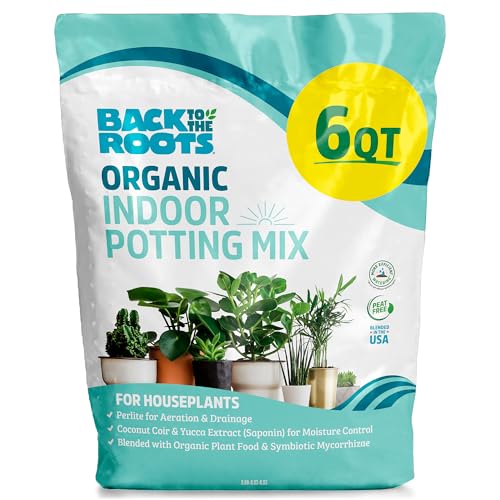
Includes 6qt of Back to the Roots Indoor Potting Mix. Our Potting Mix contains organic yucca extract that aids in retaining moisture in the soil which keeps your indoor plants happy and healthy
Soil Requirements
Choose a high-quality, nutrient-rich potting mix designed for vegetables. Look for soil with good drainage and aeration. Aim for a pH between 6.0 and 7.0 for optimal growth. Consider using a mix with added organic matter, such as compost or peat moss, which retains moisture while providing essential nutrients.
Ensure your containers have drainage holes to prevent waterlogging. If using recycled containers, clean them thoroughly to avoid bacteria. Test the soil moisture before planting; it should be moist but not soggy.
Planting Techniques
Start by filling your containers with prepared soil, leaving about an inch of space at the top. Make small indentations for your seeds, spacing them according to the variety. Generally, seeds should be planted about 1/4 to 1/2 inch deep.
Sprinkle the seeds and cover them lightly with soil, then gently press down to eliminate air pockets. Water the soil gently using a spray bottle or watering can to avoid displacing the seeds. Place the containers in a well-lit area or under grow lights, ensuring they receive 12 to 16 hours of light daily.
Monitor the moisture levels closely. Keep the soil consistently moist, but not too wet. Thin out seedlings once they develop a few true leaves, leaving about 4 to 6 inches between plants for adequate growth.
Care and Maintenance
Caring for indoor lettuce is essential for healthy growth. Focus on watering, fertilization, lighting, and temperature conditions to maintain optimal conditions for your lettuce.
Watering and Fertilization
Watering your lettuce regularly keeps the soil moist, not soggy. Check the top inch of the soil; if it feels dry, it’s time to water. Use room-temperature water to avoid shocking the roots. For fertilization, use a balanced liquid fertilizer diluted to half strength every two weeks. This supports robust leaf growth without causing nutrient burn. Organic options like fish emulsion or seaweed extract provide essential nutrients while boosting soil health. Adjust your watering and fertilization routine if your plants show signs of stress, such as wilting or yellowing leaves.
Light and Temperature Conditions
Provide your lettuce with at least 12 to 16 hours of light daily. Use LED or fluorescent grow lights if sunlight is limited. Position the lights 6 to 12 inches above the plants, adjusting as they grow. Maintain an indoor temperature between 60°F and 70°F (15°C to 21°C) for optimal growth. Avoid placing your plants near drafts or heat sources, as sudden temperature changes can stress them. Monitor humidity levels, aiming for a range between 40% and 60% to promote healthy growth.
Common Challenges and Solutions
When growing lettuce indoors, you’ll encounter several common challenges. Addressing these issues can enhance your indoor gardening success.
Pests and Diseases
Pests like aphids, spider mites, and fungus gnats often invade indoor lettuce. Inspect plants regularly for signs of infestation. If detected, you can use insecticidal soap or neem oil for treatment. For diseases, watch for yellowing leaves or mold. Maintain airflow and avoid overcrowding to prevent these problems. Remove affected sections promptly to protect healthy plants.
Overcoming Environmental Issues
Temperature fluctuations can threaten healthy growth. Keep your indoor environment stable between 60°F and 70°F. Use a thermometer to monitor conditions. Light is crucial, requiring 12 to 16 hours of bright light daily. If natural light is insufficient, invest in full-spectrum grow lights. Additionally, watch humidity levels. If humidity drops below 40%, consider a humidifier or placing water trays near your plants to increase moisture.
Conclusion
Growing lettuce indoors can be a rewarding experience that brings fresh greens right to your kitchen. With the right care and attention to detail you can enjoy a continuous supply of crisp lettuce year-round.
Don’t hesitate to experiment with different varieties and techniques to find what works best for you. Remember to keep an eye on your plants and adjust your care routine as needed.
Before you know it you’ll be harvesting your own homegrown lettuce and enjoying the fruits of your labor. Happy gardening!
Frequently Asked Questions
What are the benefits of growing lettuce indoors?
Growing lettuce indoors offers convenience, as you can control temperature, light, and humidity. It allows for a fresh supply of greens year-round, helps save money, and minimizes exposure to pests and diseases. Additionally, it enhances the aesthetic of your home with vibrant plants.
What lettuce varieties are best for indoor growing?
Popular indoor lettuce varieties include Butterhead, Romaine, and Leaf lettuce. These types are compact, quick-growing, and suited for container gardening, making them ideal for indoor cultivation.
How much light does indoor lettuce need?
Indoor lettuce requires 12 to 16 hours of light daily for optimal growth. Use grow lights if natural sunlight is insufficient to ensure your plants thrive.
What temperature is ideal for growing lettuce indoors?
The ideal temperature for growing lettuce indoors is between 60°F and 70°F. Maintaining this range helps promote healthy growth and prevents bolting or disease.
How often should I water indoor lettuce?
Water indoor lettuce when the top inch of soil feels dry. Typically, this means watering every 2 to 3 days, but it can vary based on humidity and plant size. Ensure proper drainage to avoid root rot.
What type of soil is best for growing lettuce indoors?
Use a well-draining potting mix that retains moisture but doesn’t become waterlogged. A mix specifically designed for vegetables or container gardening is recommended for optimal lettuce growth.
How can I prevent pests and diseases in indoor lettuce?
To prevent pests, maintain good airflow and inspect plants regularly. Use insecticidal soap or neem oil for treatment. Keeping the indoor environment stable reduces the risk of diseases.
When is the best time to harvest indoor lettuce?
You can start harvesting leaf lettuce when the leaves reach about 4-6 inches tall. For head varieties, wait until the heads are firm and reached the desired size, usually around 8-12 weeks after planting.
