

Ever wondered how those vibrant orange carrots you love end up on your plate? Have you ever thought about the fascinating science behind their growth? Picture this: a tiny seed transforming into a crunchy, nutritious vegetable that adds color to your meals. How do carrots grow? It’s not just about planting them in the soil and waiting. Understanding the science behind carrot growth can enrich your gardening experience and deepen your appreciation for these root vegetables. In this article, we’ll delve into the secrets of carrot cultivation, revealing the magic that unfolds beneath the surface. Get ready to unlock the mysteries of how carrots grow and cultivate your knowledge in the world of gardening.
The Life Cycle of Carrots
Carrots go through several stages as they grow underground. From seed to harvest, each phase plays a crucial role in the development of these vibrant root vegetables. Here’s a breakdown of the life cycle of carrots:
- Seed Germination: Once planted in moist soil, carrot seeds begin to absorb water and germinate. This process typically takes 1-3 weeks.
- Seedling Stage: In this phase, tiny carrot seedlings emerge from the soil. They start developing their first set of true leaves, crucial for photosynthesis.
- Root Growth: As the plant matures, it focuses its energy on developing its main attraction: the carrot root. This is where all the nutrients are stored.
- Foliage Development: While underground, the foliage above the surface grows lush and green, enabling the plant to produce energy through photosynthesis.
- Maturation: Carrots are generally ready to be harvested 60-80 days after planting, depending on the variety. At this stage, the roots are plump, sweet, and ready to be enjoyed.
Seed Germination Process
When planting carrot seeds, ensure they’re in moist soil. You’ll notice tiny roots emerging as the seed takes in water. In about 1-3 weeks, a seedling will poke through the soil. As it germinates, the root grows down into the soil to extract water and nutrients.
Carrot roots thrive in loose, well-drained soil. Ensure they have enough sun and frequent watering. Thin out seedlings to give space for the roots to expand. In 2-4 months, your carrots will be ready for harvest.
| Time Period | Milestone |
|---|---|
| 1-3 weeks | Seedling emergence |
| 2-4 months | Carrots ready for harvest |
Dive into the next section to learn more about the growth of seedlings and how to ensure your carrots thrive.
Recommended Products

Miracle-Gro Indoor Potting Mix for Seed Starting grows stronger roots for seeding success (vs unfed when used as directed)

CONTAINS: This organic Seed Stating soil mix is a rich blend of sphagnum peat moss & perlite with yucca extract and lime to ensure correct pH.

Includes Back to the Roots Compressed Seed Starting Potting Mix that expands to 12qt of soil. A balanced pH, which means it’s truly all-purpose. Use alone or as an amendment for anything in a pot or in the ground — vegetables, flowers, herbs, and even starting seeds.
Carrot Plant Growth Stages
Carrot plant growth unfolds in several distinct stages, each crucial for a successful harvest:
- Germination: Carrot seeds typically sprout within 10-14 days.
- Seedling Stage: After sprouting, seedlings develop their first set of true leaves, usually in 1-3 weeks.
- Vegetative Growth: Carrot plants focus on leaf and root growth during this stage, requiring consistent watering.
- Root Development: As the plant matures, carrot roots expand downwards, anchoring the plant and storing nutrients.
Understanding these growth stages is key to nurturing thriving carrot plants.
Factors Influencing Carrot Growth
Carrots are versatile vegetables that thrive under certain favorable conditions. Factors such as soil, water, sunlight, and temperature play significant roles in determining the success of carrot growth. Here, we delve into the main influencers behind carrot cultivation:
- Soil Quality:
- Choose well-draining, loose soil rich in organic matter for optimal growth.
- Sandy loam soils are ideal for carrot cultivation, allowing roots to develop without obstruction.
- Watering:
- Carrots need consistent moisture throughout the growing season to prevent cracking.
- Overwatering can lead to rot, while underwatering can cause stunted root growth.
- Sunlight Exposure:
- Carrots thrive in full sunlight, requiring at least 6-8 hours of direct sun daily.
- Insufficient sunlight can result in slow growth and smaller, misshapen roots.
- Temperature:
- Carrots prefer cool temperatures between 60-70°F for optimal growth.
- Extremes in temperature can hinder germination and stunt plant development.
- Thinning:
- Ensure proper spacing between carrot plants to allow room for roots to expand.
- Crowded carrots can lead to deformed roots and competition for nutrients.
- Weeding:
- Keep the area around carrot plants free of weeds to prevent competition for resources.
- Summer and fall planting are preferred to avoid peak weed growth periods.
By understanding and optimizing these essential factors for carrot growth, you can nurture healthy plants with robust root development for a bountiful harvest.
Recommended Products
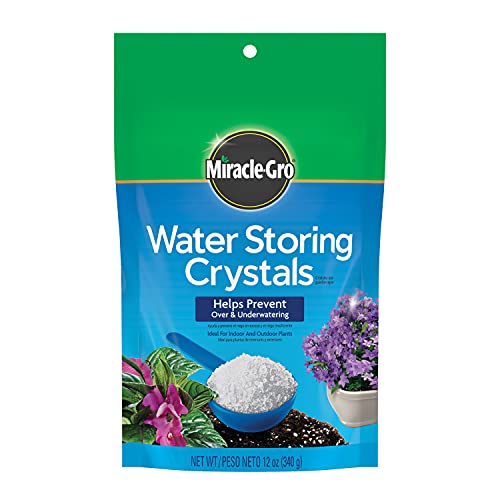
Prevents Over and Under Watering: Miracle-Gro Water Storing Crystals absorb moisture and release it back to your plants as needed, helping to prevent over and underwatering
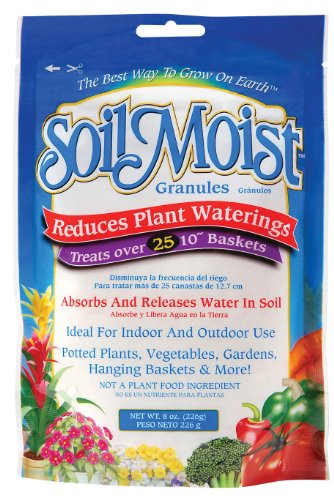
Grow beautiful plants with less water
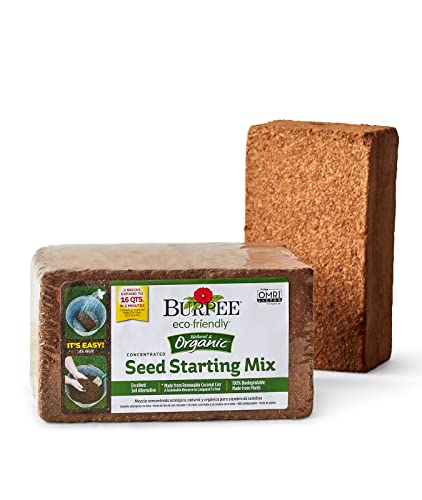
ORGANIC COCONUT COIR: Made from recycled coconut husks, coir is a light, sustainable growing medium that holds the perfect amount of moisture for starting seeds. 100% biodegradable soil alternative. Environmentally-friendly and a renewable alternative to peat moss. OMRI listed and certified organic.
Harvesting and Storing Carrots
When it comes to harvesting carrots, timing is crucial for optimal flavor and texture. Here are some tips to help you get the most out of your carrot harvest:
- Timing: Carrots are ready for harvesting around 60-75 days after sowing. Look for firm and vibrant tops to indicate maturity.
- Technique: Gently loosen the soil around the carrot and pull them out slowly to avoid breakage. Trim the tops to prevent moisture loss.
- Size Matters: Carrots come in various sizes, but strive to harvest them when they reach a desirable size based on the variety you planted.
Once you’ve harvested your carrots, proper storage is key to maintaining their freshness and flavor. Consider these storage tips:
- Remove Greens: Carrot tops should be removed before storage, as they can sap moisture from the roots.
- Cool and Humid: Store carrots in the crisper drawer of your fridge. A cool and humid environment helps prolong their shelf life.
- Avoid Moisture Loss: To prevent carrots from drying out, consider storing them in a perforated plastic bag or wrapped in a damp towel.
By following these harvesting and storing tips, you can enjoy the fruits of your labor and savor the delicious taste of home-grown carrots.
Recommended Products

Help Keep Produce Fresh Longer: Fridge-friendly storage helps keep produce fresh longer with an inner basket keeps produce elevated and promotes optimal air circulation to keep things fresh

Extends Produce Shelf-Life: Prolong the freshness of fruits and vegetables, reducing wasted food.
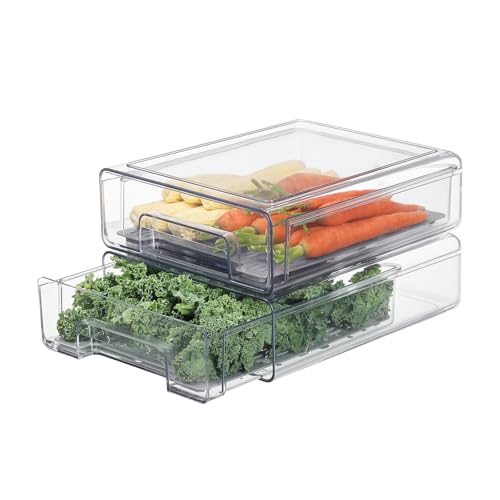
Keep your fridge tidy with our stackable clear plastic containers. Perfect for organizing fruits, vegetables, and salad in the refrigerator. Includes drawers & drainer board
Conclusion
You’ve now gained insights into the art of harvesting and storing carrots, ensuring that your home-grown produce is bursting with flavor and freshness. Remember to apply the recommended techniques of gentle pulling, trimming, and proper sizing to savor the best taste and texture. By storing your carrots in a cool, humid environment and safeguarding against moisture loss, you can preserve their quality for longer. These simple yet essential tips will enhance your carrot-growing experience and allow you to enjoy the fruits of your labor to the fullest. Happy harvesting and bon appétit!
Frequently Asked Questions
When is the best time to harvest carrots?
Carrots are best harvested when they have reached maturity, usually around 60-75 days after planting. Look for a good size and vibrant color for optimal flavor.
How should I harvest carrots?
Gently pull the mature carrots out of the ground by their tops. Trim the leafy greens, leaving about an inch of the stem intact.
How do I select the right size of carrots to harvest?
Select carrots based on the variety planted. Different types have varying optimal sizes for harvesting, usually ranging from 1/2 inch to 1 inch in diameter.
How should I store harvested carrots?
Remove the leafy tops to prevent moisture loss. Store carrots in a cool, humid place like the refrigerator or a root cellar with high humidity levels.
