

Ever wondered how those vibrant orange carrots on your plate make their way from the ground to your kitchen? Have you ever thought about the journey these humble veggies take to reach your dinner table? Imagine being able to grow your own carrots, straight from nature’s bounty. In this article, we’ll delve into the fascinating world of how carrots grow naturally and uncover the secrets that lie beneath the soil. Get ready to unearth the wonders of nature and discover the magic behind these crunchy delights. By the end, you’ll be equipped with the knowledge to grow your very own carrots, connecting you with the earth in a whole new way.
Carrot Seeds
Carrot seeds are small, but they hold tremendous potential. On average, a single carrot seed weighs about two milligrams. However, within that tiny package lies the ability to sprout into a vibrant and crunchy carrot.
When planting carrot seeds, you should aim to sow them thinly to prevent overcrowding. An ideal spacing would be about two inches apart. This allows each seedling enough space to grow without competing for resources.
Remember that carrot seeds are best planted directly in the ground. Due to their delicate nature, they don’t transplant well. So, make sure to choose your planting location carefully. Carrots thrive in well-draining soil with a pH level between 6.0 and 6.8.
Keep the soil consistently moist after planting to aid in germination. Germination typically occurs within 1 to 3 weeks, depending on the variety of carrots you’re growing.
As the carrots begin to grow, thin them out to ensure that each carrot has enough space to develop fully. Overcrowding can result in deformed or stunted carrots.
By embracing the magic of carrot seeds, you’re embarking on a journey that will reward you with a bountiful harvest of delicious, home-grown carrots.
Ideal Growing Conditions
To ensure carrots thrive, here are the ideal conditions:
- Sunlight: Carrots need at least 6 hours of direct sunlight daily for optimal growth.
- Soil: Choose loose, sandy loam soil that’s free of rocks to allow for straight root growth.
- pH Level: Aim for a soil pH between 6.0 and 6.8 for best results.
- Watering: Keep the soil consistently moist but not waterlogged to aid in germination and growth.
- Temperature: Carrots prefer cool temperatures between 60-75°F for healthy development.
- Spacing: Plant seeds about 2 inches apart to prevent overcrowding and ensure proper root development.
- Weeding: Regularly weed around carrots to reduce competition for nutrients and promote growth.
By providing ideal conditions, you set the stage for vibrant, healthy carrots to grow naturally and thrive.
Recommended Products

Kindly NOTE: This soil tester can not be applied to test pH value of any other liquid. If the soil is too dry the indicator will not move, and water it before testing.

3-in-1 Soil Tester: This meter can test soil moisture, light and pH value; You can switch modes with one button; It makes gardening and plantng more efficient

Germination Process
When planting carrot seeds, you’ll want to prepare the soil by making sure it’s loose and free of rocks. Carrot seeds are tiny, so sow them shallowly and keep the soil consistently moist during the Germination Process. In about 1-3 weeks, you should start to see tiny carrot seedlings sprouting through the soil.
Key Points:
| Time Frame | Activity |
|---|---|
| 1-3 weeks | Seedlings emerge |
As the seedlings grow, ensure they receive enough sunlight to help them develop a strong root system. During this stage, it’s essential to thin out the seedlings, giving them enough space to grow. Carrots need about 1 inch of water per week, so be sure to water consistently.
- Provide enough sunlight.
- Thin out seedlings.
- Water consistently.
With the right care and attention, you’ll soon have healthy carrot plants growing and preparing to produce the crunchy, vibrant veggies you’ll enjoy at harvest time.
Root Development
When it comes to Root Development in carrots, understanding this crucial phase is essential for growing healthy and vibrant plants.
- Carrots are known for their taproots that grow deep into the soil to access nutrients and water, providing stability for the plant.
- As the carrot plant grows, the taproot elongates, pushing further into the ground to support the plant’s needs.
- It’s important to ensure the soil is loose and well-drained to allow the taproot to penetrate easily and prevent issues like root rot.
- Providing adequate space for the taproot to expand is key for developing straight, uniform carrots with a desirable shape.
- During this phase, consistent watering is crucial to support root growth and prevent the soil from drying out, ensuring the taproot can thrive.
- Thinning out overcrowded seedlings promotes healthy root development by giving each plant more space to grow and develop a robust root system.
- By focusing on Root Development during the growth stages, you set the foundation for strong, healthy carrots that will reward you at harvest time.
Recommended Products

4-Hole Side Design: This high-performance tree watering spike makes it easy to deliver water and fertilizer directly to the root zone. The upgraded side-hole design helps improve watering efficiency, while the sharp tip makes it easy to push into hard or compact soil. The 4 side outlets help reduce clogging and distribute water more evenly for deep root watering and feeding.
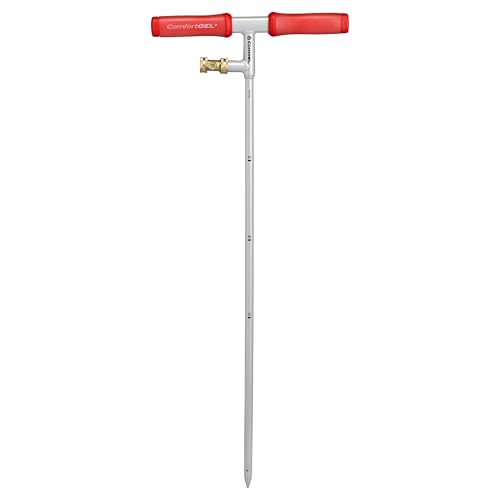
Targeted Deep Root Irrigation – Delivers water directly to the root zone, reducing runoff and evaporation while promoting deeper, healthier root growth for trees, shrubs, and garden plants.

Carbon steel blade and head for heavy duty use
Harvesting Carrots
When it comes to harvesting carrots, timing is key. You’ll want to wait until they reach their mature size before pulling them out of the ground. Wondering how to tell when they are ready? Well, it’s all about size! Carrots are usually ready to harvest when they reach about 1/2 to 3/4 inches in diameter.
Here are a few tips to help you with the harvesting process:
- Gently loosen the soil around the carrot to make it easier to pull out without breaking.
- Grasp the green top of the carrot near the soil line and pull upwards.
- If you’re dealing with clay soil, consider watering the area a day before harvesting to soften the soil.
Remember, carrots will continue to grow while in the ground, so regular inspection and timely harvesting are essential to ensure that you get the best-quality carrots from your garden.
Conclusion
You now have a deeper insight into the natural growth process of carrots. Understanding the importance of root development and how it impacts the overall health of your crop is key. By focusing on providing the right conditions for your carrots to thrive, such as well-drained soil and proper spacing, you’re setting yourself up for a successful harvest. Remember, timing is crucial when it comes to harvesting your carrots to ensure they reach their peak flavor and quality. With this knowledge, you’re well-equipped to grow your own vibrant and delicious carrots in your garden. Happy gardening!
Frequently Asked Questions
How do I ensure successful Root Development for my carrot plants?
To ensure successful Root Development for your carrot plants, plant them in loose, well-drained soil. Consistent watering is crucial to prevent the soil from drying out. Make sure to thin out overcrowded seedlings to allow ample space for taproot growth.
What are the key factors to focus on to cultivate strong, vibrant carrots?
To cultivate strong, vibrant carrots, focus on Root Development by providing optimal soil conditions and regular watering. Thinning out seedlings is essential to prevent overcrowding and promote healthy root growth. Additionally, ensure your carrots receive adequate sunlight for photosynthesis and overall plant health.
How can I harvest carrots to ensure the best quality?
To harvest carrots of the best quality, timing is essential. Wait until they reach the desired size and color, usually around 1 to 1.5 inches in diameter. Gently loosen the soil around the carrots before pulling them out to prevent breakage. Harvest during cool weather or early in the morning for crisp, sweet carrots.
