

Ever wondered how to grow the crunchiest, most vibrant carrots in your own backyard? Imagine having a steady supply of these nutritious veggies right at your fingertips. Picture the satisfaction of harvesting your homegrown carrots, knowing you played a part in their journey from seed to table. Curious about the secrets to cultivating the perfect carrot crop?
Have you ever planted carrots only to be disappointed by their size or taste? Perhaps you struggle with soil quality or pest invasions that hinder your carrot-growing efforts. It’s frustrating when your gardening dreams fall short. But fear not, as we’re here to guide you through the best practices for growing carrots successfully.
Choosing the Right Carrot Varieties
When selecting carrot varieties to grow in your garden, consider factors like soil type, climate, and intended use. Here are some key points to keep in mind:
- Opt for shorter varieties if you have heavy or rocky soil.
- Choose heat-tolerant varieties for warmer climates.
- For a continuous harvest, select a mix of early, mid-season, and late varieties.
Experimenting with different carrot colors can also add visual interest to your garden. Here are some popular options:
- Orange: Traditional and versatile, suitable for various dishes.
- Purple: Rich in antioxidants, adds a pop of color to salads.
- Yellow: Sweet and mild flavor, great for snacking.
Remember to rotate carrot varieties each year to minimize pest and disease problems. By diversifying the types you plant, you can enjoy a wider range of flavors and textures in your harvest.
Selecting the Ideal Growing Location
When it comes to growing carrots, selecting the right location is crucial for a successful harvest. Here are some key considerations to keep in mind:
- Sunlight: Carrots thrive in full sunlight. Choose a spot in your garden that receives at least 6-8 hours of direct sunlight daily.
- Soil Quality: Opt for well-draining soil to prevent rotting. Sandy loam or loamy soil with a pH level between 6.0 to 6.8 is ideal for carrots.
- Space: Ensure that there is enough room for the carrots to grow deeply. Loosen the soil to a depth of at least 12 inches to allow for proper root development.
- Temperature: Carrots prefer cool temperatures between 60-70°F. Avoid planting in areas prone to extreme heat to prevent bitter-tasting and cracked carrots.
- Protection: Choose a location that is protected from strong winds to prevent the carrot tops from drying out too quickly.
Remember, choosing the right growing location sets the foundation for a bountiful carrot harvest.
Preparing the Soil for Carrots
When preparing the soil for your carrots, you need to ensure it’s well-suited to support healthy growth. Here are some key steps to help you create the ideal environment for your carrot crop:
- Loosen Soil: Carrots prefer loose, well-draining soil, so break up any compacted areas to allow for root penetration and prevent deformities.
- Remove Debris: Clear the area from rocks, sticks, and other debris that could obstruct root development or cause misshapen carrots.
- Add Organic Matter: Incorporate compost or aged manure to improve soil structure, provide essential nutrients, and enhance moisture retention.
- Check pH Levels: Aim for slightly acidic to neutral soil with a pH between 6.0 and 6.8 for optimal carrot growth.
- Avoid Fresh Manure: Refrain from using fresh manure, as it can promote excessive foliage growth at the expense of carrot development.
- Fertilize Wisely: If needed, apply a balanced fertilizer low in nitrogen to avoid forked or hairy carrots.
By following these guidelines, you can set the stage for your carrots to thrive and yield a bountiful harvest.
Recommended Products

Quick, at home results for Soil pH, Nitrogen, Phosphorous and Potash Innovative and inexpensive soil test kit features an easy-to-use capsule system and patented color comparators

Kindly NOTE: This soil tester can not be applied to test pH value of any other liquid. If the soil is too dry the indicator will not move, and water it before testing.

KNOW BEFORE YOU GROW | Grow the healthiest, sustainable lawn and garden with the most accurate and easy to use professional soil test kit on the market
Planting Carrot Seeds or Seedlings
When it comes to planting carrot seeds or seedlings, it’s essential to focus on precision and care to ensure a successful growth process.
- Carrot Seeds: Plant seeds directly in the ground, ensuring adequate spacing to prevent overcrowding.
- Soil Preparation: Make sure the soil is fine and loose to promote straight and even growth.
- Seed Depth: Plant seeds at a depth of 1/4 inch for optimal germination.
- Moisture: Keep the soil consistently moist but not waterlogged to support seed germination.
- Thinning: Once seedlings sprout, thin them to ensure proper spacing for mature carrots.
Whether you choose seeds or seedlings, giving attention to these key points can set the stage for a successful carrot growing experience.
Recommended Products
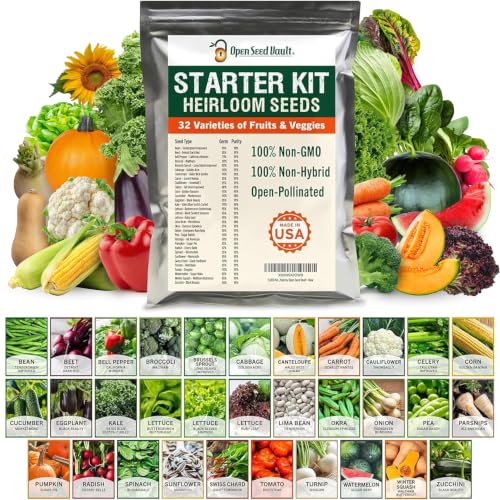
COMPLETE VEGETABLE GARDEN VARIETY PACK – Grow a thriving home garden with 32 popular vegetable seeds including Bean, Beet, Bell Pepper, Broccoli, Brussels Sprout, Cabbage, Cantaloupe, Carrot, Cauliflower, Celery, Corn, Cucumber, Eggplant, Kale, Lettuce (3 types), Lima Bean, Okra, Onion, Pea, Parsnip, Pumpkin, Radish, Spinach, Sunflower, Swiss Chard, Tomato, Turnip, Watermelon, Zucchini. A diverse mix perfect for fresh meals, backyard gardens, and sustainable growing.
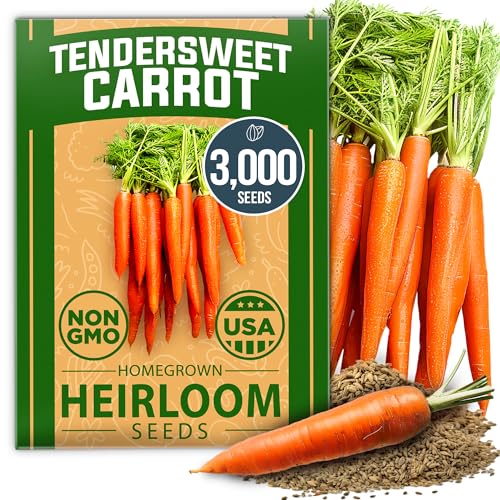
Premium Tendersweet Carrot Seeds: Authentic Open-Pollinated Premium Heirloom Seeds (USA) Non-GMO, Untreated, High Germination Rate. Phenomenal dessert Brix profile. High-impact carotene energy. An outstanding orange monolith for open ground, high ridges, and patio containers. Your garden bed is your pride.

Vegetable seeds variety pack: Grow 35 varieties of leafy greens, root vegetables, tomatoes, peppers, beans, peas, squash, melons, and more. Includes 16,000+ vegetable seeds for planting outdoors in raised beds, garden rows, or containers.
Caring for Carrot Plants
When it comes to Caring for Carrot Plants, there are a few key steps you’ll want to keep in mind to ensure optimal growth and a bountiful harvest. Here’s what you need to know:
- Watering: Carrots need consistent moisture to thrive. Ensure the soil is evenly moist but not waterlogged. Avoid letting the soil dry out completely, as this can lead to stunted growth and irregularly shaped carrots.
- Thinning: It’s essential to thin out your carrot seedlings to prevent overcrowding. This allows each carrot to have enough space to develop properly. Aim to leave about 2-3 inches between each plant after they’ve germinated.
- Weeding: Keep your carrot bed free of weeds, as they can compete with carrots for nutrients and water. Regularly hand-weed around the carrot plants to maintain a healthy growing environment.
- Fertilizing: Carrots are relatively light feeders, but they can benefit from a balanced fertilizer applied at planting time. Look for a fertilizer with equal parts nitrogen, phosphorus, and potassium to support healthy growth.
- Pest Control: Keep an eye out for common carrot pests like carrot rust flies or aphids. Consider using row covers to protect your plants from pests or practicing companion planting with marigolds to deter harmful insects.
By following these care tips, you’ll set your carrot plants up for success and enjoy a plentiful harvest of delicious, homegrown carrots.
Recommended Products
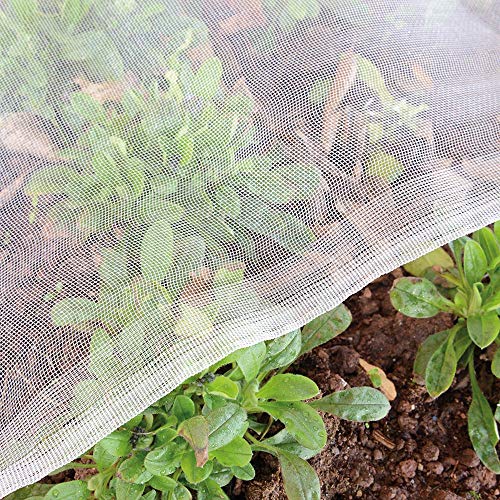
🥬Effective Bug Barrier: Protecting plants and vegetables from a wide range of pest insects and animals, such as cicadas, carrot fly and many species of aphids, you will get a healthier and happier garden

※Big Size to cover large area : The size of our plant cover is 10x30ft, the size can cover large areas. You can cut the plant covers freeze protection into different sizes for different use. You can cover it over the plant such as shrub tomato, pepper, pumpkin, and so on.
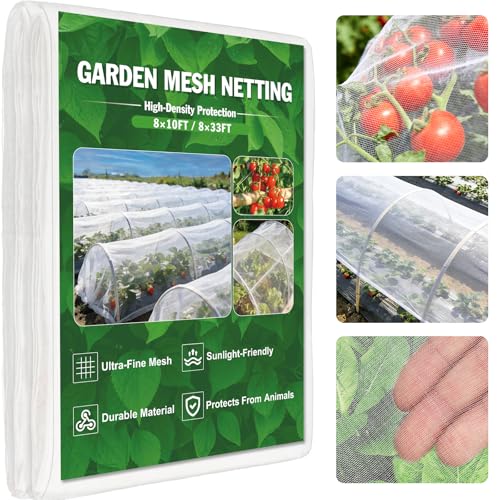
【Upgraded Fine Mesh Netting】This fine mesh garden netting uses 0.7*0.8mm high-density garden insect netting to block, birds, and small animals, offering reliable plant protection netting for vegetables and flowers
Conclusion
You now have the key insights on how to nurture your carrot plants for a successful harvest. Remember to prioritize watering, thinning, weeding, fertilizing, and pest control to ensure your carrots grow to their full potential. By maintaining consistent moisture levels, thinning seedlings, keeping the bed weed-free, using balanced fertilizer, and implementing pest control measures, you’ll set the stage for a thriving carrot garden. With these care tips in mind, you’re on your way to enjoying a plentiful supply of fresh, homegrown carrots that will surely add a delicious touch to your meals. Happy gardening!
Frequently Asked Questions
How often should I water my carrot plants?
Carrot plants require consistent moisture to thrive. Water them regularly, ensuring the soil is evenly moist but not waterlogged.
Why is thinning important for carrot seedlings?
Thinning carrot seedlings prevents overcrowding, allowing each plant enough space to develop a healthy root system and produce well-formed carrots.
How can I keep my carrot bed weed-free?
To keep your carrot bed weed-free, regularly inspect and hand-pull weeds. Mulching can also help suppress weed growth around your carrot plants.
When should I fertilize my carrot plants?
Fertilize your carrot plants with a balanced fertilizer at planting time and then again when the plants are a few inches tall to promote healthy growth.
What pest control measures can I implement for my carrot plants?
Implement pest control measures by regularly inspecting your plants for pests like aphids or carrot rust flies. Consider using natural remedies or insecticidal soap to manage pest infestations.
