

Have you ever wondered how deep you should plant your tomato seedlings? Picture this: you’ve nurtured your seedlings with care, and now it’s time to transplant them. But wait, how deep should they go into the soil for optimal growth? This simple yet crucial step can make all the difference in your tomato plants’ development.
In this article, we’ll guide you on the ideal depth for transplanting your tomato seedlings. By understanding this fundamental aspect of gardening, you’ll set your plants up for success from the very beginning. Stay tuned to discover expert tips that will help you ensure healthy and thriving tomato plants in your garden.
Key Takeaways
- Planting tomato seedlings at the correct depth is crucial for healthy growth and strong root development.
- Avoid planting seedlings too shallow to prevent dehydration or damage, and refrain from burying them too deep to avoid sunlight deprivation and stunted growth.
- Choose the right time to transplant seedlings when they have developed a strong root system and are around 6-10 inches tall.
- Gather necessary tools like pots, potting soil, trowel, and watering can beforehand for a smooth transplantation process.
- When transplanting, dig a hole deep enough to cover the stem up to the first set of leaves and water thoroughly after planting for stability.
- Provide proper post-transplant care by watering regularly but not excessively, ensuring adequate sunlight exposure, and regulating temperatures between 70-85°F (21-29°C) for optimal growth.
Understanding Tomato Seedling Transplantation
Transplanting tomato seedlings at the correct depth is crucial for their healthy growth. Here’s what you need to know:
The Importance of Depth in Transplantation
Planting tomato seedlings at the right depth ensures that they establish strong root systems. When transplanted too shallow, the roots might dry out, affecting the plant’s ability to absorb nutrients and water efficiently. On the other hand, planting them too deep can lead to stem rot or hinder proper growth.
- Planting Too Shallow: Avoid placing your tomato seedlings too close to the surface of the soil. Aim for a depth that allows for good root development without exposing them to dehydration or damage.
- Planting Too Deep: Be cautious not to bury your tomato seedlings excessively deep in the soil. This can impede their access to sunlight and air, leading to stunted growth.
By understanding these common mistakes and their consequences, you can ensure successful transplantation of your tomato seedlings for robust plant development.
Preparing for Transplantation
When it comes to transplanting your tomato seedlings, proper preparation is key to ensuring their healthy growth. Let’s dive into the essential steps you need to take before moving your seedlings into their new home.
Recommended Products

THE EASIEST WAY TO START A WINDOWSILL GARDEN: Growing your own fresh tomatoes at home has never been easier. With the Back to the Roots Self-Watering Tomato planter, you’ll be able to grow organic Cherry tomatoes right out of the jar, Year ‘Round — no transplanting needed

🌱【Get Your Dream Garden Started】The package includes a 30-pack of seed starter pots and 20 bonus plant labels. These compostable seed cups can be planted directly into the field, garden, or a larger container, simplifying transplanting and eliminating root shock.
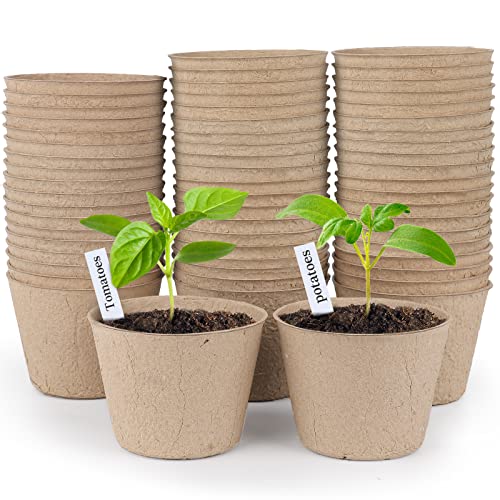
🌱【Get Your Dream Garden Started】The package includes 120 pack of seed starter pots and bonus 20 pack of plant labels. Compostable seed cups that can be planted right into the field, garden, or next-larger container, simplifying transplanting and eliminating root shock.
Choosing the Right Time to Transplant
Before you begin the transplantation process, it’s crucial to pick the optimal time for this task. You should wait until your tomato seedlings have developed a strong root system and are around 6-10 inches tall. Transplanting too early can shock the plants, while delaying the process could lead to overcrowding in their current containers.
Necessary Tools and Materials
To facilitate a smooth transplantation process, gather all the necessary tools and materials beforehand. You’ll need small pots or containers with drainage holes, high-quality potting soil enriched with compost, a trowel for scooping soil, and a watering can or spray bottle for watering your seedlings post-transplantation. Having these items ready will streamline the process and help ensure successful relocation of your tomato seedlings.
Step-by-Step Guide to Transplanting Tomato Seedlings
Transplanting tomato seedlings at the right depth is crucial for their healthy growth. Here’s a simple step-by-step guide to help you through the process.
Recommended Products

【Excellent for Transplanting Seedlings】The seed planting shovel with narrow and sharp edge, making it perfect for replanting plants, deep digging around a plant to be able to scoop it up and transplant it elsewhere, and also good for planting rows of seeds.

Premium Stainless Steel Construction:This bulb planter tool is crafted from high - quality stainless steel.It ensures exceptional durability,making it suitable for long - term use in various soil conditions. Whether you're dealing with moist or dry soil, the tool will maintain its integrity and performance.

【Easy-to-Read Measurement Markings】The garden planting trowel with 6-inch depth marks on the outside helps to maintain a consistent depth. No other tools or measuring devices were needed which make all your bulb seeds or seedlings are planted at the right depths.
Evaluating Seedling Readiness
Check that your tomato seedlings are 6-10 inches tall with strong root systems before transplanting them. This ensures they are mature enough to thrive in a new environment.
Digging the Right Depth
When transplanting, dig a hole deep enough to cover the stem up to the first set of leaves. Burying them deeper than this can hinder growth, while too shallow planting may lead to instability.
Setting the Seedlings
Gently place each seedling in its hole and fill it with soil, pressing lightly around the base for stability. Water thoroughly after planting to help settle the soil around the roots.
Caring for Tomato Seedlings Post-Transplant
After successfully transplanting your tomato seedlings, it’s crucial to continue providing proper care to ensure their healthy growth. Here are essential aspects to consider:
Watering Requirements
Watering is vital for the well-being of your tomato seedlings post-transplant. Here’s what you need to know:
- Frequency: It’s important to water your seedlings regularly, especially during the initial days after transplanting. Keep the soil consistently moist but not waterlogged.
- Depth: Ensure that water reaches the root zone by watering at the base of the plant rather than overhead.
- Signs of Overwatering: Watch out for signs of overwatering such as yellowing leaves or wilting, which indicate excess moisture in the soil.
Sunlight and Temperature Control
Proper sunlight exposure and temperature regulation are key factors in nurturing healthy tomato plants post-transplant:
- Sunlight Exposure: Place your tomato plants in a spot that receives at least 6-8 hours of direct sunlight daily. Adequate sunlight is essential for photosynthesis and fruit development.
- Temperature Considerations: Tomatoes thrive in warm temperatures between 70-85°F (21-29°C). Protect your seedlings from extreme heat or cold by providing shade during hot days and covering them during chilly nights.
By following these guidelines on watering, sunlight exposure, and temperature control, you can ensure that your transplanted tomato seedlings continue to grow vigorously and produce bountiful harvests.
Conclusion
Transplanting your tomato seedlings at the correct depth is key to their success. By following the step-by-step guide provided in this article, you ensure that your seedlings have a strong start with healthy root systems. Remember to care for them diligently after transplant by maintaining proper watering, sunlight exposure, and temperature levels. These simple yet essential steps will support the growth of your tomato plants and lead to abundant harvests. Happy gardening!
Frequently Asked Questions
How deep should I plant my tomato seedlings for optimal growth?
Plant tomato seedlings deep enough to cover the stem up to the first set of leaves. This encourages root development along the buried stem, leading to a stronger and healthier plant.
What are some key steps to follow when transplanting tomato seedlings?
Evaluate seedling readiness by checking for sturdy stems and true leaves before transplanting. Dig a hole slightly larger than the root ball, gently remove the seedling from its container, place it in the hole, and backfill with soil.
How should I care for my tomato seedlings after transplanting?
Water your transplanted tomato seedlings regularly, ensuring that the soil remains consistently moist but not waterlogged. Provide ample sunlight exposure (at least 6-8 hours per day) and maintain temperatures around 70-75°F for optimal growth.
