

Do you ever wonder how to grow the best lettuce in your garden? You’re not alone. Many gardeners struggle with getting the right soil depth for their lettuce, which can make all the difference in how well it thrives.
Key Takeaways
- Optimal Soil Depth: Lettuce grows best in soil that is at least 12 inches deep, promoting strong root development and better access to nutrients and water.
- Root Health: Deep soil is essential for robust root systems, allowing roots to establish firmly and mitigating drought stress through enhanced water retention.
- Nutrient Availability: A minimum depth of 12 inches ensures even distribution of essential nutrients, enhancing overall plant health and growth.
- Soil Preparation: Test your soil for pH and nutrient content, and amend it with organic matter to achieve the ideal conditions for lettuce cultivation.
- Planting Practices: Use proper techniques like spacing, row planting, and mulching to maintain soil moisture, control weeds, and support healthy growth.
- Varietal Considerations: Different lettuce varieties have unique soil depth requirements; chose varieties based on your garden’s specific conditions to optimize yields.
Importance Of Soil Depth For Lettuce Growth
Soil depth plays a crucial role in the successful growth of lettuce. It directly impacts root development, nutrient uptake, and overall plant health. Understanding the required soil depth helps you provide the ideal environment for lettuce to flourish.
Recommended Products
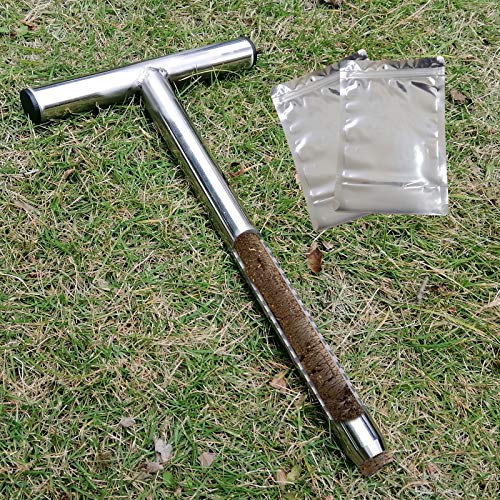
STAINLESS STEEL MATERIAL: Made with the exceptional workmanship and stainless steel materials, our soil probes are finely machined for smooth, easy sampling, and long-lasting durability
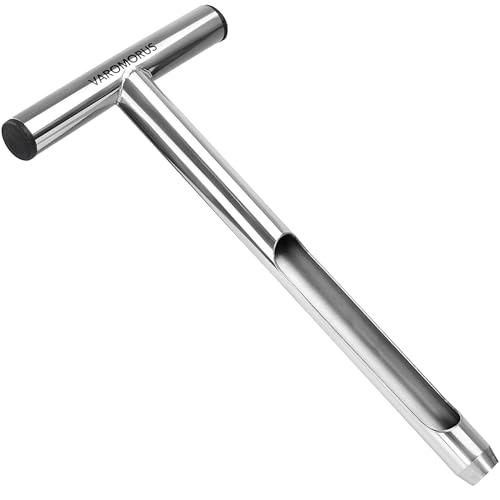
Provides 3/4" x 8" deep core: Designed with a one-piece solid T-style handle. The handle ensures easy inserting and extracting of the sampler while taking samples. The dimensions of the sampler: 12" long and 3/4" wide.

SOIL TEST PROBE TOOL: The probe rod to test soil sample for garden and lawn care maintenance, meet the needs of agriculture, forestry and golf courses
Optimal Soil Depth
Lettuce thrives best in soil that is at least 12 inches deep. This depth allows roots to establish firmly and access necessary nutrients and water. Shallow soil can lead to stunted growth and susceptibility to drought.
Root Development
Healthy root systems require adequate space. Roots can grow deep in well-drained soil. This growth leads to stronger plants. Deep soil supports greater water retention and helps mitigate drought stress.
Nutrient Availability
Deep soil enhances nutrient availability. Nutrients, such as nitrogen, phosphorus, and potassium, penetrate further into the ground. A depth of 12 inches ensures that nutrients disperse evenly and reach root zones efficiently.
Water Retention
Soil depth affects how much water your lettuce plants receive. Deeper soil retains moisture better, reducing watering frequency. This retention helps maintain consistent growth, allowing you to achieve optimal yields.
Tools for Measuring Soil Depth
To evaluate soil depth in your garden, consider using a soil probe. This simple tool gives you the ability to measure the thickness of your soil effectively. It provides insight into whether you need to amend your garden beds for improved lettuce growth.
By recognizing the importance of soil depth, you ensure your lettuce crops receive the ideal conditions for thriving. Focus on achieving that minimum of 12 inches, and watch your plants prosper.
Ideal Soil Depth For Growing Lettuce
The optimal soil depth for growing lettuce is crucial for healthy plant growth and development. A depth of at least 12 inches supports robust root systems and ensures proper nutrient and water availability.
Recommended Products

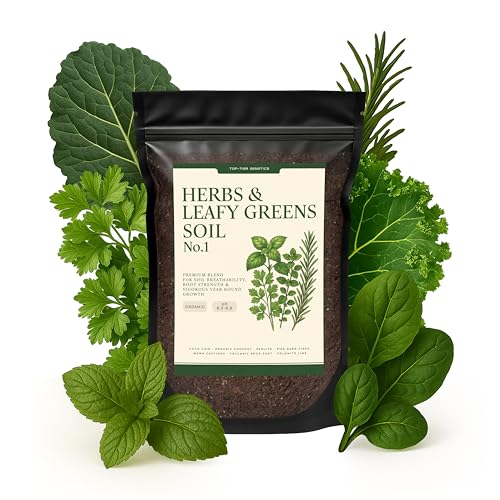
✔ VERSATILE BLEND: Premium potting mix specifically formulated for growing herbs and leafy greens indoors with optimal drainage and aeration
✔ VERSATILE BLEND: Premium potting mix specifically formulated for growing herbs and leafy greens indoors with optimal drainage and aeration
Factors Affecting Soil Depth
Soil texture impacts how deep roots can grow. Sandy soils drain quickly and may require additional depth for adequate moisture retention. Clay soils, while retaining moisture, can become compacted if too deep, limiting root expansion. Soil composition also plays a role. Amending soil with organic matter can enhance its structure, allowing roots to penetrate deeper. Additionally, local climate conditions influence soil depth requirements. Warmer climates may necessitate deeper soil to maintain consistent moisture levels, whereas milder climates may thrive with less depth.
Crop Varieties And Soil Requirements
Different lettuce varieties have varying root depth needs. For example, leaf lettuce typically requires less soil depth compared to romaine or head lettuce varieties, which benefit from deeper soil. Romaine can reach up to 12 inches in depth due to its extensive root system. You can choose varieties based on your garden’s specific conditions. Consider mixing varieties to optimize your harvest and ensure a continual supply throughout the growing season.
Preparing Soil For Lettuce Cultivation
Preparing soil for lettuce cultivation involves assessing its quality and making essential amendments. Achieving a healthy environment promotes strong growth and maximizes your harvest.
Soil Testing And Amendment
Testing your soil ensures it’s suitable for growing lettuce. Use a soil test kit to assess pH, nutrient levels, and organic matter content. Lettuce thrives in a pH range of 6.0 to 7.0. If the pH is too low or high, amend it with lime or sulfur as needed. Organic matter, such as compost, enriches the soil and enhances microbial activity. Consider adding well-rotted manure or leaf mold to boost nutrient content and improve soil structure.
Ensuring Proper Drainage
Proper drainage is crucial for lettuce growth. Wet soil can lead to root rot and other issues. If your soil retains too much moisture, consider incorporating coarse sand or perlite to improve aeration and drainage. Raised beds also promote drainage by lifting soil above the surrounding ground level. Ensure soil is loose and crumbly, allowing roots to penetrate easily. By taking these steps, you create an ideal environment for growing healthy lettuce.
Best Practices For Planting Lettuce
Planting lettuce successfully involves specific techniques and ongoing maintenance. These practices ensure optimal growth and a bountiful harvest.
Planting Techniques
- Select The Right Varieties: Choose lettuce varieties suited to your climate. Options like romaine, butterhead, and leaf lettuce cater to different tastes and conditions.
- Prepare The Soil: Loosen the soil to a depth of at least 12 inches. Aim for a well-draining mix enriched with organic matter. Incorporate compost or well-rotted manure into the planting area.
- Sow Seeds Properly: Plant seeds directly into the soil, about ¼ to ½ inch deep. Space them 6 to 12 inches apart, depending on the variety. This spacing allows for air circulation and room for growth.
- Use A Grid Method: For high-density planting, use a grid layout. This method maximizes space and facilitates easy harvesting.
- Implement Row Planting: If planting in rows, keep them 12 to 18 inches apart. This spacing makes maintenance tasks like watering and weeding more manageable.
- Water Regularly: Keep soil consistently moist but not waterlogged. Water every few days, focusing on early morning or late afternoon to reduce evaporation.
- Mulch Your Beds: Apply organic mulch like straw or shredded leaves around plants. This practice retains moisture, suppresses weeds, and stabilizes soil temperature.
- Thin Seedlings: Once seedlings reach about 2 inches in height, thin them to minimize competition. Space individual plants 4 to 8 inches apart for optimal growth.
- Monitor For Pests: Check regularly for pests like aphids and slugs. Use organic pest control methods, such as introducing beneficial insects or using neem oil.
- Fertilize Appropriately: Apply a balanced fertilizer or liquid seaweed every few weeks. This feeding supports growth and nutrient uptake, especially during rapid growth phases.
- Harvest at The Right Time: Harvest lettuce in the morning for crisp leaves. Cut leaves from the outer edges, allowing the inner leaves to continue growing.
By following these best practices, you can cultivate healthy lettuce and enjoy a diverse, rewarding harvest.
Conclusion
Growing lettuce can be a fun and rewarding experience when you pay attention to soil depth. With at least 12 inches of well-prepared soil you’re setting the stage for healthy plants and bountiful harvests. Remember to consider the unique needs of different lettuce varieties and mix them for a more diverse yield.
By implementing the right techniques and staying attentive to your plants you’ll be well on your way to enjoying fresh, homegrown lettuce. Happy gardening and enjoy your tasty salads!
Frequently Asked Questions
How deep should the soil be for growing lettuce?
To achieve optimal growth, lettuce requires a soil depth of at least 12 inches. This depth supports healthy root development, nutrient uptake, and water retention.
What factors affect soil depth for lettuce?
Soil depth can be influenced by soil texture, composition, and local climate conditions. Ensuring proper soil health and structure is essential for successful lettuce cultivation.
Do different lettuce varieties need different soil depths?
Yes, different lettuce varieties have varying root depth requirements. For example, romaine lettuce typically needs deeper soil compared to leaf lettuce.
What are some tips for successful lettuce planting?
Successful lettuce planting includes selecting the right varieties, preparing the soil with organic matter, proper seed sowing and spacing, watering consistently, and using mulch for moisture retention.
How can I improve my lettuce harvest?
To maximize your lettuce harvest, mix different varieties, ensure proper pest monitoring and fertilization, thin seedlings as needed, and follow best practices for watering and harvesting.
