

Factors to consider when planting carrots
When determining how deep to plant carrots, there are a few key factors to keep in mind that can impact the success of your carrot crop. Here are some important considerations to guide you in achieving optimal carrot growth:
- Soil Quality: Carrots thrive in well-draining, loose soil. Make sure your soil is free of rocks and clumps that can obstruct their growth.
- Sun Exposure: Carrots require at least 6 hours of sunlight daily to grow efficiently. Choose a sunny spot in your garden for planting.
- Spacing: Proper spacing between carrot seeds is crucial for good root development. Aim for about 3 inches between seeds and 15-20 inches between rows.
- Moisture Levels: Carrots need consistent moisture to grow well but can rot in waterlogged soil. Ensure your soil is evenly moist but not waterlogged.
- Depth: Carrot seeds should be sown at a depth of around 1/4 to 1/2 inch. Planting too deep can hinder germination, while planting too shallow can lead to dry seeds.
- Temperature: Carrots prefer cooler temperatures for germination. The ideal soil temperature for planting carrots ranges from 50-85°F.
- Timing: Plant carrots in early spring or late summer for best results. Ensure the soil temperature is suitable for germination before planting.
Recommended Products

Miracle-Gro Indoor Potting Mix for Seed Starting grows stronger roots for seeding success (vs unfed when used as directed)

Includes Back to the Roots Compressed Seed Starting Potting Mix that expands to 12qt of soil. A balanced pH, which means it’s truly all-purpose. Use alone or as an amendment for anything in a pot or in the ground — vegetables, flowers, herbs, and even starting seeds.

CONTAINS: This organic Seed Stating soil mix is a rich blend of sphagnum peat moss & perlite with yucca extract and lime to ensure correct pH.
Recommended depth for planting carrots
When it comes to planting carrots, the depth at which you sow the seeds plays a crucial role in their growth and development. Here’s what you need to know about the recommended depth for planting carrots:
- Optimal Depth: Aim to plant carrot seeds at a depth of 1/4 to 1/2 inch in the soil. This depth provides the seeds with the ideal conditions for germination and early root establishment.
- Shallow Planting: Planting carrot seeds too shallow can result in poor germination and weak root growth. Ensure you do not plant them closer to the soil surface than 1/4 inch.
- Deep Planting: On the other hand, planting carrot seeds too deep can lead to delayed germination or uneven sprouting. Avoid burying the seeds deeper than 1/2 inch underground.
- Consider Soil Conditions: The recommended planting depth may vary based on the soil type. If you have heavy or compacted soil, it’s crucial to adjust the planting depth to ensure the seeds have proper access to moisture and nutrients.
- Temperature Impact: Be mindful of the soil temperature when planting carrots. Cooler soil temperatures may necessitate a slightly shallower planting depth to help seeds germinate more effectively.
- Consistent Moisture: Regardless of the planting depth, maintaining consistent moisture is essential for carrot seed germination and growth. Check the soil regularly to ensure it stays adequately moist but not waterlogged.
- Monitoring Growth: Keep an eye on how your carrots are growing after planting. If you notice any issues with germination or root development, the planting depth could be a factor to consider.
Mastering the recommended depth for planting carrots sets the foundation for a successful harvest, giving your carrots the best start for thriving in your garden.
Recommended Products
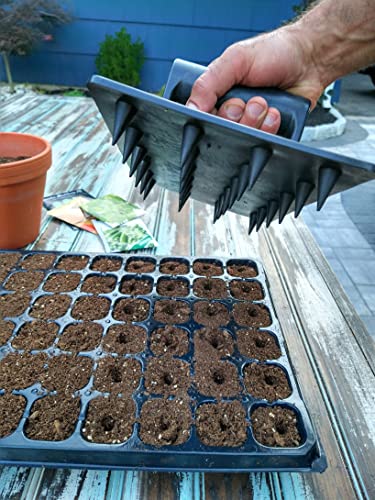
Efficiently start seeds indoors by creating perfect planting holes in 72-cell seed trays

Sweet Scarlet Nantes Roots - Grow orange, nearly coreless carrots with a tender bite and classic cylindrical shape. Harvest roots around 6-7 inches for fresh garden snacks, salads, roasting, soups and juicing.

🌱【Durable And Sturdy Material】 - FLORA GUARD Dibber is made of thickened high quality durable stainless steel pointy spike, which can easily pierce the ground and punch deep holes, and will not bend even when encountering hard obstacles. When planting tiny seedlings or flower bulbs in the ground, it is very important to do so at the proper depth. This bulb planting tool are great for quick and easy seeding or bulbing.
Tips for successful carrot growth
- Thin Seedlings: Once your carrot seedlings emerge, thin them to 2-4 inches apart to give each plant ample space to grow.
- Weed Regularly: Keep your carrot patch weed-free to prevent competition for nutrients and space.
- Consistent Watering: Ensure your carrots receive even moisture throughout their growth to avoid cracking and forked roots.
- Mulch: Consider using mulch to help retain soil moisture and regulate temperature.
- Check Soil pH: Aim for a pH level around 6.0-6.8 for optimal carrot growth.
- Fertilize Carefully: Avoid over-fertilizing, as too much nitrogen can lead to lush foliage but stunted carrots.
- Monitor Pests: Keep an eye out for carrot flies and other pests that can damage your crop.
- Harvest Timely: Carrots are ready for harvest when they reach the desired size, usually around 60-75 days after planting.
- Store Properly: After harvesting, store carrots in a cool, humid place to maintain freshness.
| Optimal pH Level | 6.0-6.8 |
| Days to Harvest | 60-75 |
Recommended Products
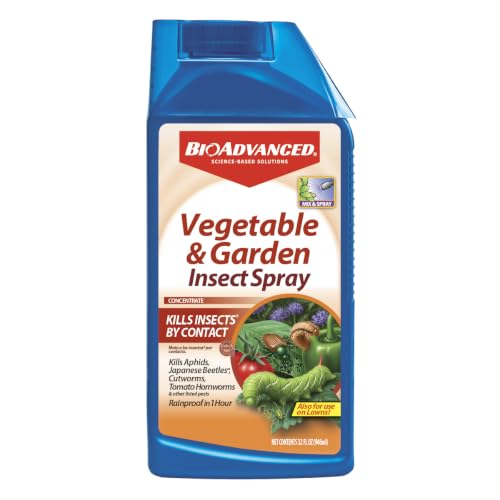
KILLS LISTED INSECTS ON CONTACT: Vegetable & Garden Insect Spray kills stink bugs, ants, ticks, fleas, mosquitos, flies, aphids, and over 70 other listed insects


Garden pest control to protect your lawn, fruits and vegetables from listed damaging pests
Signs of improper carrot planting depth
When planting carrots too shallow, they may struggle to take root properly. Shallow-planted carrots are at higher risk of being pushed up and out of the soil by frost or inconsistent watering. This can result in deformed or stunted carrots that are challenging to harvest.
On the other hand, planting carrots too deep can lead to slow germination or even prevent it altogether. Carrot seeds require sunlight to sprout, and burying them too deeply can block this essential light. As a result, you might notice poor or delayed germination in areas where carrots are planted too deep.
An uneven planting depth across your carrot patch may also cause issues. Inconsistent planting depth can lead to uneven growth as carrots sprout at different rates due to variations in soil coverage. This can result in difficulties in harvesting carrots at the same time, as some may be ready while others are still developing.
To ensure optimal growth and a bountiful harvest, it’s crucial to plant carrots at the right depth. Aim for a planting depth of 1/4 to 1/2 inch deep for optimal germination and healthy root development. By maintaining a consistent planting depth, you can set your carrots up for success from the start.
Conclusion
Planting carrots at the correct depth is crucial for their growth and harvest. Ensuring a consistent depth of 1/4 to 1/2 inch will help prevent issues like deformities and difficulties in harvesting. By paying attention to this detail, you set the stage for a successful carrot crop. Remember, along with soil quality and proper care, the depth at which you plant your carrots plays a significant role in their overall development. Happy planting and enjoy your bountiful carrot harvest!
Frequently Asked Questions
Q: Why is planting depth crucial for growing carrots?
A: Planting depth is crucial for carrots to prevent issues like deformities and stunted growth. Shallow planting can cause carrots to push out of the soil, while deep planting may inhibit germination.
Q: What problems can arise from inconsistent planting depth?
A: Inconsistent planting depth can lead to uneven growth among carrots in the same batch. This can result in difficulties during harvesting and may affect the overall yield.
Q: What is the recommended planting depth for carrots?
A: It is recommended to plant carrots at a consistent depth of 1/4 to 1/2 inch. Maintaining this ideal depth helps ensure optimal growth and facilitates a successful harvest.
