

Ever wondered why your carrot seeds don’t sprout as expected? How deep should you really plant them? Picture this: eagerly sowing your carrot seeds, only to be left scratching your head when they don’t thrive. In this article, you’ll uncover the secrets to planting carrot seeds at the perfect depth for optimal growth.
Are you tired of guessing how deep to plant your carrot seeds, only to be disappointed by the results? You’re not alone. Understanding the ideal planting depth is crucial for successful carrot cultivation. Stay tuned to discover the simple yet essential tips that will transform your carrot-growing experience.
Importance of Planting Depth for Carrot Seeds
When it comes to planting carrot seeds, depth matters significantly. The depth at which you plant your carrot seeds plays a crucial role in determining the success of germination and the subsequent growth of your carrots.
Here are a few reasons why the right planting depth is essential for the successful cultivation of carrots:
- Optimal Germination: Planting your carrot seeds at the correct depth ensures that they receive adequate moisture and are shielded from potential drying out, which can hinder germination.
- Protection and Support: Planting seeds at the right depth provides protection from environmental stressors and offers support to young seedlings as they emerge from the soil.
- Avoiding Issues: Incorrect planting depths can lead to various issues like poor germination rates, uneven sprouting, and weak seedlings, ultimately affecting the quality and yield of your carrots.
To ensure you plant your carrot seeds at the optimal depth, aim for a depth of 1/4 to 1/2 inch in loose, well-drained soil. Remember that compacted soil may impede seedling emergence. Patience and proper depth go a long way in fostering a successful carrot harvest.
Factors Affecting Carrot Seed Planting Depth
When deciding how deep to plant your carrot seeds, consider these important factors:
- Seed Size: Larger carrot seeds are typically planted deeper than smaller ones to ensure proper coverage and germination.
- Soil Type: Carrots thrive in loose, well-drained soil. Deeper planting in heavier soils may lead to slow germination or poor growth.
- Moisture Levels: Planting too shallow can expose seeds to drying out, while planting too deep in wet soil can cause rot.
Remember, understanding these factors will help you determine the ideal depth for planting your carrot seeds.
Optimal Depth for Planting Carrot Seeds
When planting your carrot seeds, the recommended depth is around 1/4 to 1/2 inch deep. Carrots are small seeds, and planting them too deeply can inhibit their ability to sprout.
If the seeds are planted too shallow, they risk drying out and not germinating properly. Conversely, planting them too deep, especially in wet soil, can lead to rot before they have a chance to grow.
To find the right depth for planting, consider the size of the carrot seeds. Larger seeds may need to be planted a bit deeper for better coverage.
Always check the soil type and moisture levels when determining the planting depth. Carrots thrive in loose, well-drained soil. In heavy soils, planting too deep can affect germination and growth rates.
To ensure successful growth, be mindful of the optimal planting depth for your carrot seeds.
Recommended Products

【Milifox T‑Handle Design】The T‑shaped grip of seed planting tool features a contoured surface that stays secure even with damp hands. It lets you press downward using the weight of your arm and shoulder rather than straining your wrist, spreading pressure evenly across your palm to reduce fatigue during long planting sessions. Whether you're working in seed trays, raised beds, or container gardens, the handle gives you steady control with every hole.

READY FOR THE PLANTING SEASON - Eadwiella Dibber were designed to make planting bulbs, seeds, and small herbaceous plants easy, by creating the perfect diameter hole to the correct depth. Before using the dibber in your garden make sure the soil is well tilled as it will make using your garden dibber easier. Simply press the dibber into the soil while twisting it back and forth until the dibber is at the desired depth. Now you’re ready to plant your bulb or seed!

BUILT TO LAST A LIFETIME WITH FULL STAINLESS STEEL: Crafted from a single piece of high-quality, rust-resistant stainless steel. Unlike tools with weak wooden handles, the Gardmate hand dibber is built for a lifetime of use, bending and wear in all weather conditions.
Tips for Achieving the Perfect Planting Depth
When planting carrot seeds, it’s crucial to get the depth just right for successful growth. Here are some tips to help you achieve the perfect planting depth:
- Soil Preparation:
- Loosen the soil to a depth of at least 12 inches to allow for proper root growth.
- Remove any rocks, weeds, or debris that could obstruct seedlings as they grow.
- Seed Size Matters:
- Keep in mind that smaller seeds require shallower planting depths than larger seeds.
- Check the seed packet for specific instructions on planting depth based on seed size.
- Moisture Levels:
- Ensure the soil is moist, but not waterlogged, before planting.
- Monitor moisture levels regularly after planting to prevent drying out or oversaturation.
- Testing Depth:
- Use a ruler or handheld tool to measure planting depth accurately.
- Mark your tool at the recommended planting depth for easy reference.
- Consistent Depth:
- Aim for uniformity in planting depth to promote even germination and growth.
- Avoid varying depths across the planting area to prevent uneven growth.
- Adjustments:
- If you’ve planted too shallow, gently cover the seeds with a bit more soil.
- For seeds planted too deeply, carefully adjust the soil level to expose them to the proper depth.
- Monitoring Sprouting:
- Observe seedlings as they emerge to ensure they are at the correct depth.
- Make adjustments promptly if you notice any issues with planting depth.
By following these tips, you can achieve the perfect planting depth for your carrot seeds, setting the stage for healthy growth and a bountiful harvest.
Common Mistakes to Avoid When Planting Carrot Seeds
When planting carrot seeds, it’s crucial to steer clear of common mistakes that can hinder the growth of your carrots. Here are some pitfalls to watch out for:
- Planting Seeds Too Deep: Carrot seeds are tiny, so it’s easy to plant them too deep in the soil. This can prevent them from sprouting properly.
- Inconsistent Planting Depth: Failing to maintain a consistent planting depth can lead to uneven germination and stunted growth.
- Overcrowding: Planting seeds too close together can result in overcrowding, which diminishes the carrots’ ability to develop properly.
- Untilled Soil: Planting in untilled soil can make it challenging for young carrots to push through the earth as they grow.
- Inadequate Watering: Carrot seeds require consistent moisture to germinate. Inadequate watering can cause poor germination rates.
- Ignoring Seed Quality: Using old or compromised seeds can yield poor results. Always opt for fresh, high-quality carrot seeds for better success.
By being mindful of these common mistakes, you can set the stage for successful carrot growth and a bountiful harvest.
Recommended Products

Miracle-Gro Indoor Potting Mix for Seed Starting grows stronger roots for seeding success (vs unfed when used as directed)

Includes Back to the Roots Compressed Seed Starting Potting Mix that expands to 12qt of soil. A balanced pH, which means it’s truly all-purpose. Use alone or as an amendment for anything in a pot or in the ground — vegetables, flowers, herbs, and even starting seeds.
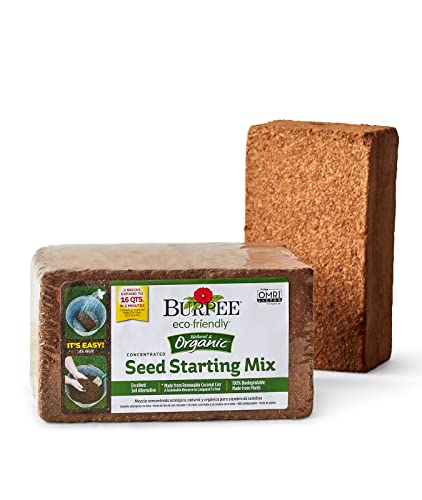
ORGANIC COCONUT COIR: Made from recycled coconut husks, coir is a light, sustainable growing medium that holds the perfect amount of moisture for starting seeds. 100% biodegradable soil alternative. Environmentally-friendly and a renewable alternative to peat moss. OMRI listed and certified organic.
Conclusion
You’ve learned the key factors for planting carrot seeds at the optimal depth to promote healthy growth. By following the tips on soil preparation, monitoring moisture levels, and maintaining consistency in planting depth, you set the stage for a thriving carrot crop. Avoid common mistakes like planting too deep or overcrowding to ensure your carrots have the best chance to flourish. Remember to keep an eye on sprouting progress and make adjustments as needed. With these insights, you’re well-equipped to cultivate a bountiful harvest of delicious, homegrown carrots. Happy planting!
Frequently Asked Questions
1. Why is achieving the perfect planting depth crucial for growing carrot seeds?
Planting at the right depth ensures proper seed-to-soil contact for germination and supports healthy root development.
2. How can I accurately test the depth when planting carrot seeds?
Use a ruler or planting tool to measure the depth according to the seed size recommendations on the packet.
3. What should I do if I notice inconsistencies in planting depth while sowing carrot seeds?
Adjust the planting depth as needed to maintain uniformity and ensure even germination.
4. What is the significance of monitoring moisture levels after planting carrot seeds?
Checking moisture ensures seeds do not dry out or become waterlogged, promoting germination and growth.
5. How can I identify if carrot seeds are sprouting properly after planting?
Regularly observe for emergence of seedlings to ensure successful germination and early growth.
6. What are common mistakes to avoid when planting carrot seeds?
Avoid planting too deep, inconsistently, overcrowding, in untilled soil, inadequate watering, and using low-quality seeds for best results.
