

Ever wondered how deep romaine lettuce roots really go? If you’re growing your own lettuce or just curious about gardening, understanding root depth can make a big difference. It affects everything from water absorption to nutrient uptake.
Key Takeaways
- Root Structure: Romaine lettuce has a taproot that reaches 12 to 18 inches deep, along with fibrous roots spreading horizontally up to 24 inches, crucial for water and nutrient absorption.
- Importance of Depth: Deeper roots enhance access to moisture during dry spells and facilitate better nutrient uptake from various soil depths.
- Soil Type Impact: Loose, well-draining soils like sandy or loamy types promote deeper root growth, while compacted clay soils can hinder it.
- Water Management: Practicing infrequent deep watering encourages roots to penetrate deeper in search of moisture, resulting in healthier plants.
- Comparison with Other Varieties: Romaine lettuce generally has deeper roots compared to other varieties such as leaf and butterhead lettuces, leading to more efficient moisture and nutrient access.
- Benefits of Deep Roots: Strong deep roots provide better plant stability, reducing vulnerability to adverse weather conditions and optimizing growth potential.
Understanding Romaine Lettuce Roots
Romaine lettuce has a complex root system that plays a crucial role in its growth and health. Knowing about these roots can enhance your gardening experience and outcome.
Anatomy of Lettuce Roots
Lettuce roots consist of a main taproot and numerous fibrous roots. The taproot penetrates deeply into the soil, usually reaching depths of 12 to 18 inches. You often find the fibrous roots spreading horizontally, extending out 12 to 24 inches from the base of the plant. Together, these roots create a network that absorbs water and nutrients, establishing a firm anchor in the soil. Understanding this structure can help you provide the best possible conditions for optimal growth.
Importance of Root Depth
Root depth is vital for several reasons. First, deeper roots improve a plant’s access to water, especially during dry spells. They help sustain the plant when surface moisture runs low. Second, deep roots enable better nutrient uptake from the soil. Nutrients like nitrogen, phosphorus, and potassium are often found at varying depths, and deeper roots can access those that shallower roots may miss.
You might consider incorporating soil amendments, such as compost. Doing so enhances soil structure and promotes deeper root growth. Additionally, practicing proper watering techniques encourages roots to reach deeper. For example, watering deeply but less frequently can stimulate the roots to grow downwards, maximizing their efficiency.
Factors Affecting Root Depth
Root depth in romaine lettuce largely depends on environmental and soil conditions. Understanding these factors helps you cultivate healthier plants.
Recommended Products

Accurate Soil Moisture Detection: The XLUX Soil Moisture Meter detects deep soil moisture in pots or gardens (dry/moist/wet), unlike eyes or fingers that only sense surface soil.

Accurate Soil Moisture Detection: The XLUX Soil Moisture Meter can tell you if the soil deep inside your pot or garden is dry, moist or wet; whereas your eyes and fingers can only determine the moisture level of the soil surface. The probe is 5.5 inches (14 cm) longer than regular styles, allowing it to measure the soil moisture at the bottom of larger and deeper flower pots.

Kindly NOTE: This soil tester can not be applied to test pH value of any other liquid. If the soil is too dry the indicator will not move, and water it before testing.
Soil Type and Structure
Soil type and structure play a crucial role in root development. Loose, well-draining soils allow roots to expand more easily, promoting deeper growth. Clay soils, though nutrient-rich, compact easily, limiting root penetration.
Key Soil Types:
- Sandy Soil: Drains quickly, encourages deeper roots.
- Loamy Soil: Balances drainage and nutrient retention, ideal for growth.
- Clay Soil: Retains moisture well but may restrict root depth due to compaction.
Using mulch can improve soil structure over time, enhancing root growth. Additionally, amending the soil with organic matter boosts both structure and nutrient content, creating a favorable environment for romaine lettuce.
Water Availability
Water availability significantly influences root depth. Deeper roots access moisture stored in the soil, allowing plants to thrive during dry periods. While romaine lettuce prefers consistent moisture, overwatering can lead to shallow root systems, as roots remain near the surface.
- Infrequent Deep Watering: Water deeply but infrequently to encourage roots to reach for moisture.
- Monitor Soil Moisture: Use a moisture meter or simply test the soil with your finger before watering.
- Avoid Surface Watering: Watering the surface may promote shallow root growth and deter deep rooting.
By managing water availability effectively, you can help your romaine lettuce establish strong, deep roots that enhance overall plant health.
Average Root Depth of Romaine Lettuce
Romaine lettuce features a significant root system that extends below the soil, playing a vital role in its growth and health. The root depth typically ranges from 12 to 18 inches, with many plants also producing fibrous roots that stretch horizontally up to 24 inches. This structure provides stability, allowing the plant to absorb water and nutrients effectively.
Recommended Products
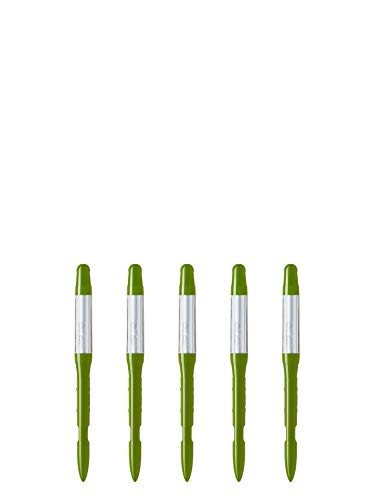
Dimensions: 0.4 x 0.3 x 4.7 inches (small) - Intended for pot sizes of 2, 2.5, and 3 - Ideal for small succulents
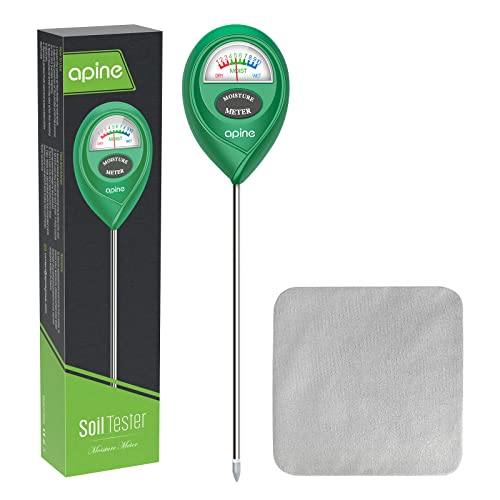
Quick Measurement:Just insert the probe of the plant water meter into the soil about two to four inches,wait a few seconds,you can get the soil moisture immediately.The color division of the dial is simple and clear,and the elderly can easily use it

KNOW WHEN TO CHECK YOUR SOIL: PlantDoc changes color with moisture so you can see what's happening below the surface.
Comparison with Other Lettuce Varieties
When comparing root depth among different lettuce varieties, romaine tends to have a deeper root system than leaf or butterhead lettuces. Leaf lettuce often reaches depths of 6 to 12 inches, while butterhead varieties usually extend 8 to 10 inches deep. The deeper roots in romaine support better access to moisture and nutrients, especially in challenging growing conditions, making it a robust choice for gardeners.
Environmental Conditions Impacting Growth
Growing conditions significantly influence the root depth of romaine lettuce. Factors include soil type, moisture availability, and overall environmental health. For instance, loose, well-draining soils like sandy loam allow for deeper root penetration, enhancing water absorption during dry spells. Conversely, compacted clay soils can inhibit growth by restricting root depth.
Maintaining consistent soil moisture is crucial. Watering techniques, such as deep and infrequent watering, encourage roots to grow deeper in search of moisture. Adjusting these environmental conditions can lead to improved plant vitality and better yields, allowing you to grow healthy romaine lettuce successfully.
Benefits of Deep Roots
Deep roots offer significant advantages for your romaine lettuce crops. These roots bolster the plant’s ability to thrive in diverse conditions, enhancing overall growth.
Recommended Products

White hearts, leaves have crispy, sweet flavor


🥬 Heat-Tolerant Upright Romaine: Jericho Romaine Lettuce (Lactuca sativa) forms tall, sturdy heads with crisp ribs and tender, mildly sweet leaves. Known for its strong heat tolerance compared to many romaine varieties, it grows 18–24 inches tall and delivers reliable harvests in extended spring and early summer conditions.
Nutrient Uptake Efficiency
Deep roots maximize nutrient uptake efficiency. When roots penetrate deeper into the soil, they access a wider range of nutrients. Instead of relying solely on surface fertilizers, deeper roots reach essential minerals like potassium and phosphorus found below the topsoil layer. For example, if your romaine lettuce plants grown in well-draining loamy soil, they can tap into nutrients even when surface layers become depleted.
Plant Stability
Strong, deep roots provide improved plant stability. As romaine lettuce develops a robust root system, it becomes less prone to topple over due to wind or heavy rain. Deeper roots anchor the plant securely in the soil, preventing it from bending or breaking under pressure. Cultivating lettuce in compact, loose soils can ensure a firmer hold, leading to healthier and more resilient plants. This stability enhances overall plant growth and minimizes potential losses during adverse weather conditions.
Conclusion
Understanding how deep romaine lettuce roots go can truly transform your gardening experience. By fostering a robust root system you’re not just enhancing nutrient uptake but also ensuring your plants are more resilient in varying conditions.
With the right soil type and proper watering techniques you can encourage those roots to dig deep and thrive. Remember that a well-managed root system leads to healthier plants and better yields. So go ahead and apply these insights to your garden and watch your romaine lettuce flourish. Happy gardening!
Frequently Asked Questions
What is the ideal root depth for romaine lettuce?
Romaine lettuce typically has a main taproot that can reach depths of 12 to 18 inches and fibrous roots that spread horizontally up to 24 inches. This depth is essential for effective water and nutrient absorption.
How does root depth affect romaine lettuce growth?
Deeper roots enable romaine lettuce to access moisture and nutrients from various soil depths. This is particularly beneficial during dry spells, leading to healthier plants and improved yields.
What soil type is best for deep root growth in romaine lettuce?
Loose, well-draining soils, like sandy or loamy soil, promote deeper root growth. Compacted clay soils can limit root penetration and hinder plant health.
How does watering influence the root depth of romaine lettuce?
Using infrequent, deep watering encourages roots to dive deeper in search of moisture. Avoiding surface watering helps establish stronger, deeper root systems.
How does romaine lettuce root depth compare to other lettuce varieties?
Romaine lettuce generally has a deeper root system than leaf or butterhead lettuces. This allows romaine to access moisture and nutrients more effectively, enhancing growth and stability.
What are the benefits of having deep roots for romaine lettuce?
Deep roots improve nutrient uptake efficiency and enhance plant stability, making romaine less prone to toppling in adverse weather conditions. This leads to healthier, more resilient plants.
How can I improve soil structure for deeper root growth?
Adding mulch and organic matter can enhance soil structure and nutrient content, promoting deeper root growth for healthier romaine lettuce crops.
