

Are you ready to grow your own fresh lettuce but unsure how deep your pot should be? You’re not alone. Many new gardeners face this question, and getting it right can make all the difference in your lettuce’s success.
Key Takeaways
- Optimal Pot Depth: Choose pots that are at least 6 to 8 inches deep for healthy root development and optimal growth of lettuce.
- Pot Types: Both plastic and clay pots have unique benefits; plastic pots offer flexibility and cost-effectiveness, while clay pots provide breathability and moisture regulation.
- Soil Requirements: Use a well-draining, nutrient-rich soil mix, ideally combining potting soil with compost and perlite or vermiculite for best results.
- Drainage Importance: Ensure pots have multiple drainage holes, and monitor soil moisture closely to prevent waterlogging and root rot.
- Avoid Common Mistakes: Steer clear of shallow pots, poor soil choices, overwatering, and inadequate sunlight to ensure successful lettuce growth.
- Fertilization and Thinning: Fertilize every four weeks for robust health and thin seedlings to prevent overcrowding, allowing optimal growth conditions.
Optimal Pot Depth for Lettuce
Choosing the right pot depth for growing lettuce is crucial for healthy growth. Lettuce has specific root requirements, so knowing how deep to plant can make all the difference.
Recommended Products

DURABLE & LIGHTWEIGHT: Crafted from UV-resistant polypropylene plastic, these indoor and outdoor planters are sturdy yet lightweight. Built to resist cracking and fading, they make dependable flower pots for indoor plants, garden decor, or home displays.

Why Depth Matters
Depth matters because lettuce roots have a specific space needed to grow effectively. Shallow pots limit root expansion, causing stunted growth. Inadequate depth may lead to poor water retention, which affects nutritional uptake. Ideally, lettuce grows best in pots that are at least 6 to 8 inches deep. This depth supports root development while allowing for proper drainage and air circulation.
Benefits of Choosing the Right Depth
Choosing the right pot depth provides numerous advantages:
- Enhanced Growth: Deeper pots allow roots to spread, which promotes robust growth.
- Improved Drainage: Adequate depth helps prevent waterlogging, reducing the risk of root rot.
- Better Nutrient Access: Deeper pots accommodate more soil, offering a larger reservoir for nutrients.
- Easier Maintenance: Properly deep pots make it easier to manage moisture levels and soil quality.
For best results, opt for container depths of 8 to 12 inches to support healthy lettuce plants.
Types of Pots for Growing Lettuce
Selecting the right type of pot for growing lettuce greatly influences its growth and overall health. Here are two popular pot options:
Recommended Products

Seamless & Minimalist Design: Modern straight cylinder shaped planter pots with drainage hole and seamless detachable saucer.

NURSERY POTS FOR PLANTS: 100 small planter nursery pots with 100 labels. You can mark plants' names on the labels to identify your seedlings, and record their growth on the label. 2 Variations with different dimensions: opening diameter 6 inches and 4 inches.
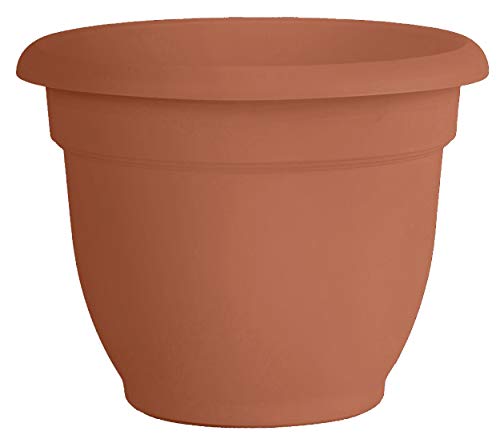
Durable Plastic Construction: Made from UV-protected plastic resin for fade resistance and easy maintenance.
Plastic Pots
Plastic pots are lightweight and versatile, making them a popular choice for many gardeners. They come in various sizes, which allows you to select one based on your needs.
- Flexibility: Plastic pots can be easily moved, so you can reposition them for optimal sunlight.
- Drainage: Ensure pots have adequate drainage holes. This prevents waterlogging, which can harm lettuce roots.
- Cost-Effective: Generally, plastic pots are more affordable than other materials, making them accessible for beginners.
- Insulation: They provide decent insulation, helping maintain a stable temperature for the roots.
Clay Pots
Clay pots, also known as terracotta pots, offer a classic look and good air circulation. They hold moisture well but dry out faster than plastic, which means more frequent watering.
- Breathability: Clay’s porous nature allows air and moisture to pass through, benefiting root development.
- Aesthetics: Their natural appearance adds visual appeal to your garden or patio.
- Weight: Clay pots can be heavy, so choose your spot carefully before filling them with soil.
- Temperature Regulation: Clay helps regulate temperature fluctuations, protecting sensitive roots.
Each pot type has unique benefits. Consider your specific gardening style and environment when selecting the right pot for your lettuce.
Soil Requirements for Lettuce Growth
Lettuce thrives in well-drained, nutrient-rich soil. The right soil mix plays a crucial role in supporting healthy growth and robust plants.
Recommended Products
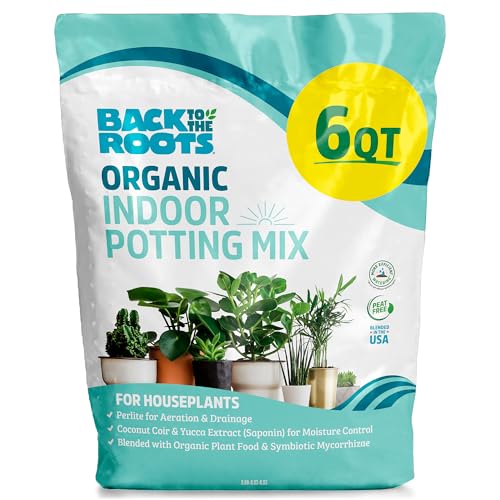
Includes 6qt of Back to the Roots Indoor Potting Mix. Our Potting Mix contains organic yucca extract that aids in retaining moisture in the soil which keeps your indoor plants happy and healthy

Includes 10lb block of Back to the Roots compressed Coconut Coir that expands to 51qt of potting soil. A balanced pH, which means it’s truly all-purpose. Use alone or as an amendment for anything in a pot or in the ground — vegetables, flowers, herbs, and even starting seeds.

HELPS REGULATE SOIL MOISTURE: Miracle-Gro Organic Indoor Potting Soil Mix is an organic potting soil that protects indoor plants against over and under watering
Recommended Soil Mixes
Choose a soil mix that promotes aeration and moisture retention. A popular option includes:
- Potting Soil: Look for a high-quality potting soil that contains organic matter. This soil supports good drainage and provides necessary nutrients.
- Compost: Adding compost enriches the soil with better nutrients. Aim for a 1:1 ratio of potting soil to compost for balanced nutrition.
- Perlite or Vermiculite: These components improve drainage and aeration. Mixing in about 20% perlite or vermiculite can enhance soil texture.
Using this blend not only promotes healthy growth but also helps prevent root rot and disease.
Drainage Considerations
Proper drainage is essential for lettuce growth. Excess water can lead to root issues and hinder plant development. Follow these tips:
- Ensure Drainage Holes: Choose pots with multiple drainage holes. This facilitates excess water to escape and avoids soggy soil.
- Elevate Pots: If possible, elevate pots on bricks or pot feet. This encourages air circulation around the base and prevents water accumulation.
- Monitor Soil Moisture: Regularly check moisture levels. The top inch of soil should dry out between watering. Use your finger to gauge moisture before adding more water.
Implementing these drainage practices ensures your lettuce gets the environment it needs for healthy development.
Common Mistakes to Avoid
Growing lettuce can be rewarding, but avoiding common mistakes helps ensure success. Here are key pitfalls to steer clear of:
Inadequate Pot Depth
Choose a pot that’s at least 6 to 8 inches deep. Shallow pots restrict root growth, which results in stunted plants. If your pot isn’t deep enough, consider repotting to provide more space for healthy roots.
Poor Soil Choices
Use high-quality potting soil mixed with compost. Standard garden soil may lack nutrients and drainage. Mixing in perlite or vermiculite improves aeration and moisture retention, creating a better growing environment.
Ignoring Drainage
Select pots with multiple drainage holes. Insufficient drainage leads to waterlogged soil, which can cause root rot. Elevate pots slightly to enhance air circulation and prevent moisture accumulation.
Overwatering
Monitor soil moisture levels closely. Overwatering can drown roots and encourage fungal issues. Stick your finger into the soil up to the second knuckle; if it feels damp, hold off on watering until it dries slightly.
Skipping Fertilization
Fertilize your lettuce plants every four weeks. Using a balanced, water-soluble fertilizer supports robust growth. Lack of nutrients can lead to pale leaves and weak plants.
Neglecting Sunlight Requirements
Position pots in an area that gets at least 6 hours of sunlight daily. Insufficient light results in leggy growth and poor leaf development. If growing indoors, place pots near south-facing windows.
Not Thinning Seedlings
Thin your seedlings once they reach 2 inches tall. Overcrowded plants compete for nutrients, limiting growth. Aim for 6 to 8 inches apart for optimal spacing.
Ignoring Pest Management
Regularly check your plants for pests like aphids and slugs. Monitor for signs of damage and treat infestations promptly. Natural remedies or organic pesticides can help protect your lettuce.
By avoiding these common mistakes, you create an optimal environment for thriving lettuce plants.
Conclusion
Getting the pot depth right is key to growing healthy lettuce. By choosing a pot that’s at least 6 to 8 inches deep you’re setting your plants up for success. Remember that healthy roots lead to vibrant greens and a bountiful harvest.
Don’t forget to consider the type of pot you’ll use and the soil mix that best supports your lettuce. With the right care and attention to detail you can enjoy fresh, homegrown lettuce right from your garden. Happy gardening and enjoy your delicious lettuce!
Frequently Asked Questions
What is the ideal pot depth for growing lettuce?
To grow lettuce successfully, choose a pot depth of at least 6 to 8 inches. This depth ensures that the roots have enough space to develop, enhancing growth and nutrient access while preventing stunted growth and poor water retention.
Can I use any type of pot for growing lettuce?
Yes, but it’s best to consider pots made from plastic or clay. Plastic pots are lightweight and promote good drainage, while clay pots offer excellent air circulation. Choose based on your gardening style and environment.
What soil is best for growing lettuce in pots?
Lettuce thrives in well-drained, nutrient-rich soil. A mix of high-quality potting soil, compost, and perlite or vermiculite is ideal. This combination supports aeration, moisture retention, and helps prevent diseases.
How important is drainage for lettuce pots?
Proper drainage is crucial. It prevents overwatering and root rot. Ensure your pots have multiple drainage holes and elevate them for improved air circulation to create an optimal growing environment.
What common mistakes should I avoid when growing lettuce?
Avoid poor pot depth, inadequate soil choices, neglecting drainage, overwatering, skipping fertilization, ignoring sunlight needs, not thinning seedlings, and overlooking pest management. These mistakes can hinder healthy growth and yield.
