

Have you ever opened your fridge only to find your romaine lettuce wilted and slimy? It’s a frustrating experience that many of us face, but it doesn’t have to be that way. Storing romaine lettuce properly can keep it fresh and crisp for days, making your salads and sandwiches much more enjoyable.
Key Takeaways
- Proper Storage Techniques: Keep romaine lettuce dry, use breathable containers, and wrap in a towel to maintain freshness.
- Optimal Refrigeration: Store in the crisper drawer, which provides ideal humidity, to extend the lettuce’s shelf life.
- Freshness Indicators: Recognize spoilage signs, such as brown leaves and slimy texture, to determine when to discard lettuce.
- Reviving Wilting Lettuce: Soak wilting leaves in cold water, then dry thoroughly and store properly to restore crispness.
- Nutritional Benefits: Romaine lettuce is low-calorie but rich in vitamins A and C, folate, and fiber, making it a healthy choice for meals.
- Versatile Uses: Enjoy romaine in salads, wraps, and sandwiches for added crunch and nutritional value.
Understanding Romaine Lettuce
Romaine lettuce is a popular leafy green known for its crisp texture and nutritious profile. Proper understanding of its characteristics helps with effective storage.
Nutritional Benefits
Romaine lettuce provides several vitamins and minerals that contribute to overall health. It contains:
- Vitamin A: Supports vision and immune function.
- Vitamin C: Aids in tissue growth and repair.
- Folate: Essential for DNA synthesis and cell division.
- Fiber: Promotes digestive health.
For example, one cup of romaine lettuce contains approximately 15 calories and offers about 10% of your daily vitamin A needs.
Common Uses in Cooking
Romaine lettuce serves various culinary purposes. Consider these common uses:
- Salads: Acts as a base for Caesar salads and mixed greens.
- Wraps: Replaces tortillas for healthy wraps, making dishes low in carbs.
- Sandwiches: Adds crunch and freshness to subs and sandwiches.
Using romaine lettuce enhances texture and flavor in many meals, making it a versatile ingredient in your kitchen.
Best Ways to Store Romaine Lettuce
Storing romaine lettuce properly ensures freshness and crispness. Here are effective methods for keeping your lettuce in top shape.
Recommended Products

Keep your produce fresh for longer: The PrepSolutions Lettuce Keeper keeps your produce fresh with an adjustable air vent and water reservoir, creating the ideal environment for fresh fruits and vegetables. Item measures 12.5" W x 7.25" D x 5.25" H and weighs 1.14 lbs.

𝐊𝐞𝐞𝐩𝐬 𝐕𝐞𝐠𝐞𝐭𝐚𝐛𝐥𝐞𝐬 𝐅𝐫𝐞𝐬𝐡 𝐋𝐨𝐧𝐠𝐞𝐫: The Home-X salad keeper for refrigerator is designed to preserve the freshness of lettuce, broccoli, cauliflower, and more. It creates an ideal cold, moist storage environment to help your vegetables stay crisp and fresh for longer periods.
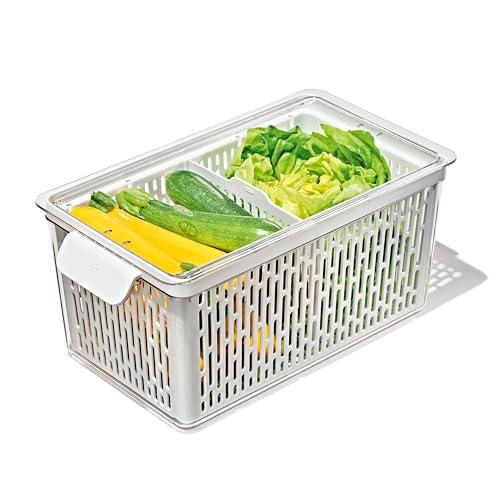
Help Keep Produce Fresh Longer: Fridge-friendly storage helps keep produce fresh longer with an inner basket keeps produce elevated and promotes optimal air circulation to keep things fresh
Storing in the Refrigerator
- Keep It Dry: Remove excess moisture by gently patting the leaves with a paper towel. Moisture can lead to wilting and sliminess.
- Use a Container: Place the romaine in a breathable container or a loosely sealed plastic bag. Ensure air circulation to reduce the buildup of humidity.
- Wrap in a Towel: A clean kitchen towel works well. Wrap the lettuce lightly in a towel before placing it in the fridge. The towel absorbs moisture while allowing airflow.
- Store in the Crisper Drawer: The crisper drawer maintains optimal humidity levels. It’s the best place for your romaine to stay fresh longer.
- Choose a Cool Spot: If you’re planning to use romaine lettuce soon, store it in a cool, shaded area. Avoid direct sunlight, as heat can wilt the leaves quickly.
- Avoid Damp Surfaces: Place the lettuce on a dry plate or a towel to prevent moisture buildup. Limiting moisture prevents deterioration.
- Use a Vase or Jar: For a unique approach, place the stems in a jar with a little water, similar to cut flowers. Cover the tops loosely with a plastic bag to create a mini greenhouse effect, keeping the leaves crisp.
With these storage techniques, you can enjoy romaine lettuce that stays fresh and crunchy for salads and wraps.
Preparation Tips for Optimal Storage
To keep your romaine lettuce fresh, follow these preparation tips to store it properly.
Recommended Products

QUICK & CONVENIENT: Wash and spin-dry salad greens, fruits, and vegetables effortlessly with the Cuisinart 3qt Salad Spinner.

One-Touch OXO Salad Spinner: Did you know that OXO invented the one-touch salad spinner? Its one-handed pump gives you maximum drying of lettuce with minimum effort
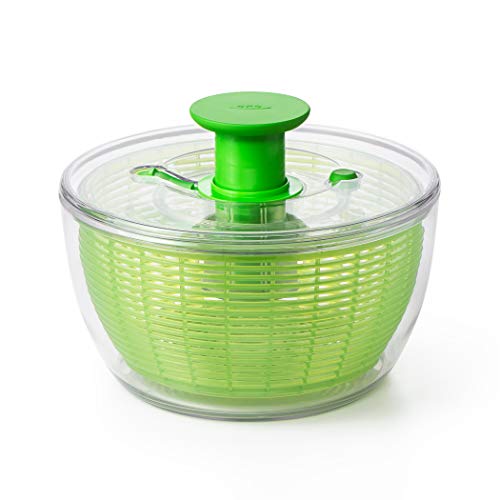
Easy one-handed operation: Spin lettuce, herbs, or fruit fast with the built-in pump—no cords or plugs.
Cleaning and Drying
Cleaning and drying romaine lettuce ensures it stays crisp. Start by rinsing the leaves under cold water to remove dirt and debris. After rinsing, gently shake off excess water. Use a salad spinner for effective drying; it removes moisture without bruising the leaves. If a salad spinner isn’t available, lay the leaves on a clean kitchen towel and pat them dry. Aim to remove as much moisture as possible to prevent slime and wilting.
Choosing the Right Container
Choosing the correct container plays a vital role in preserving freshness. Opt for a breathable container or a loosely sealed plastic bag to promote air circulation. Avoid tightly sealing bags, as this traps moisture and fosters decay. If using a plastic bag, poke a few holes to facilitate airflow. Consider wrapping the lettuce in a clean, dry paper towel or kitchen towel before placing it in the container. This absorbs any remaining moisture. Store the container in the crisper drawer of your fridge, where humidity levels are optimal.
Troubleshooting Common Issues
Romaine lettuce may encounter several issues during storage. Recognizing these problems early helps maintain its freshness.
Signs of Spoilage
Look for key indicators that romaine lettuce has spoiled. These signs include:
- Brown or Yellow Leaves: Leaves turning brown or yellow suggests aging.
- Slimy Texture: A slippery feel indicates excessive moisture and spoilage.
- Foul Odor: If the lettuce emits a strong, unpleasant smell, it’s likely bad.
- Wilted Leaves: Leaves that droop or lose their stiffness are a sign of dehydration or age.
If you spot any of these signs, discard the lettuce to avoid affecting other fresh produce.
How to Revive Wilting Lettuce
Reviving wilting romaine lettuce can restore its crispness. Follow these steps:
- Fill a Bowl with Cold Water: Use ice water for added effectiveness.
- Soak the Lettuce: Submerge the wilting leaves in cold water for 10-15 minutes.
- Remove and Shake: Take the lettuce out and gently shake off excess water, avoiding tearing the leaves.
- Dry the Leaves: Use a salad spinner for thorough drying, or lay the leaves on a clean kitchen towel and pat them dry.
- Store Properly: Wrap the revived lettuce in a clean kitchen towel and place it in a breathable container or bag.
Following these steps helps rejuvenate your romaine lettuce, bringing it back to life for salads and wraps.
Conclusion
With the right storage techniques you can keep your romaine lettuce fresh and crisp for longer. By removing excess moisture and using breathable containers you’ll enhance the quality of your salads and wraps. Don’t forget to check for any signs of spoilage regularly and take action to revive wilting leaves when needed.
Implementing these simple tips will not only save you from the frustration of slimy lettuce but also ensure you enjoy the full nutritional benefits of this versatile ingredient. So go ahead and stock up on romaine lettuce knowing that you’ve got the perfect storage methods in your toolkit. Happy eating!
Frequently Asked Questions
What causes romaine lettuce to wilt and become slimy in the fridge?
Proper storage is key. Excess moisture and poor air circulation can lead to wilting and slimy textures in romaine lettuce. Keeping it in a damp environment or a non-breathable container promotes spoilage.
How should I store romaine lettuce to keep it fresh?
To keep romaine lettuce fresh, dry it thoroughly, wrap it in a clean kitchen towel, and place it in a breathable container or loosely sealed plastic bag. Store it in the refrigerator’s crisper drawer for optimal humidity.
Can I revive wilted romaine lettuce?
Yes! You can revive wilted romaine by soaking the leaves in cold water for 10-15 minutes. After soaking, shake off excess water, dry the leaves thoroughly, and then store them properly to maintain freshness.
What are the nutritional benefits of romaine lettuce?
Romaine lettuce is a healthy choice, offering vitamins A and C, folate, and fiber. These nutrients contribute to overall health, making it a great addition to salads and wraps.
What are some common uses for romaine lettuce in cooking?
Romaine lettuce is versatile and can be used in salads, wraps, and sandwiches. Its crisp texture enhances dishes, making it a popular ingredient in various culinary creations.
