

Have you ever dreamed of harvesting juicy, sun-ripened tomatoes straight from your backyard? Picture this: it’s a warm summer day, and you step outside to pluck vibrant red tomatoes off the vine for your favorite salad. But how do you get started on this delicious journey? Knowing when and how to plant tomato seeds is the crucial first step towards growing your own bountiful tomato garden.
Key Takeaways
- Understanding key factors like temperature, sunlight, and soil quality is crucial for successful tomato seed planting.
- Proper seed preparation involves selecting high-quality seeds, using a balanced seed starting mix, controlling moisture levels, and providing warmth and light for germination.
- Optimal timing for planting tomato seeds varies based on regional climate considerations, frost dates, and utilizing microclimates to create ideal growing conditions.
- Preparing the soil by ensuring proper composition, nutrient balance, and pH levels is essential for healthy tomato seed growth.
- Following a step-by-step guide for planting tomato seeds indoors and outdoors helps in achieving successful germination and transplanting of seedlings.
- Caring for tomato seedlings post-planting involves watering at the base of plants, feeding with appropriate fertilizers, monitoring pests and diseases regularly.
Understanding Tomato Seed Planting
When it comes to planting tomato seeds, understanding the key factors influencing tomato growth is crucial. It sets the foundation for a successful harvest of fresh tomatoes from your own garden.
Key Factors Influencing Tomato Growth
To ensure optimal growth and yield, consider these key factors:
- Temperature: Tomatoes thrive in warm temperatures between 70-85°F (21-29°C). Ensure the soil temperature is ideal for germination.
- Sunlight: Tomatoes require at least 6-8 hours of sunlight daily. Choose a sunny spot in your garden for planting.
- Soil Quality: Well-draining, nutrient-rich soil with a pH level around 6.0-6.8 is ideal for tomato plants.
Best Practices for Seed Preparation
Proper seed preparation sets the stage for healthy seedlings:
- Seed Selection: Choose high-quality seeds from reputable suppliers to ensure better germination rates.
- Seed Starting Mix: Use a well-balanced seed starting mix to provide essential nutrients and moisture for seedling growth.
- Moisture Control: Keep the seed starting mix consistently moist but not waterlogged to prevent damping-off disease.
- Warmth and Light: Place the seeds in a warm (around 70°F/21°C) and well-lit area to encourage germination.
Optimal Timing for Planting Tomato Seeds
When it comes to planting tomato seeds, timing is crucial for a successful harvest. Here’s how you can determine the best time to plant your tomato seeds based on regional climate considerations and seasonal timing.
Recommended Products

NUTRIENT-RICH, NATURAL, AND ORGANIC SOIL: Grow a bountiful garden in your home with the Back to the Roots All-Purpose Natural and Organic Peat-Free 3-in-1 Seed Starting Mix, packed with the nutrients needed for your plants, flowers, and vegetables to thrive

EASIER SEED STARTING: Our Burpee SuperSeed tray with 8 extra-large flexible pop-out cells is designed to simplify indoor seed starting. Just add seed starting mix, seeds, water and light to get growing! Perfectly sized for starting seeds in the windowsill: 11.5" x 5-3/16" x 2-1/4". Rows are labeled alphanumerically for seedling identification with included Plant-o-Gram diagram.

✔ Grow 8 Delicious Tomato Varieties! 🍅🌱 This tomato starter kit includes eight heirloom tomato and tomatillo varieties, perfect for growing fresh, juicy tomatoes at home. Enjoy a mix of cherry, slicing, paste, and tomatillo varieties—all from one kit!
Regional Climate Considerations
- Understanding Your Climate: Before planting tomato seeds, consider your region’s climate. Tomatoes thrive in warm temperatures, so if you live in a cooler climate, you may need to start your seeds indoors or wait until the weather warms up.
- Frost Dates: Be mindful of your area’s last frost date. Planting too early can expose your seedlings to frost damage, while planting too late may delay growth and reduce yield.
- Microclimates: Take advantage of microclimates in your garden. South-facing slopes or areas near walls absorb more heat, creating ideal conditions for tomatoes even in cooler regions.
- Early Spring Planting: In regions with mild winters, start sowing tomato seeds indoors 6-8 weeks before the last expected frost date to give them a head start on growth.
- Late Spring Planting: For areas with later frosts, sow seeds indoors 4-6 weeks before the last frost date or directly outdoors after all risk of frost has passed.
- Summer Planting: In warmer climates, you can sow seeds directly into the ground once soil temperatures consistently reach around 60°F (15°C) for optimal germination and growth.
- Fall Planting: Some regions allow for a second planting season in late summer for fall harvests by starting new seedlings indoors mid-summer or purchasing starter plants from nurseries.
By considering these factors and timings specific to your region, you’ll increase the chances of a bountiful tomato harvest that rewards your efforts throughout the growing season.
Preparing Your Soil for Tomato Seeds
When planting tomato seeds, preparing your soil is crucial for ensuring healthy growth. Here are some essential tips to help you get started:
Recommended Products

Quick, at home results for Soil pH, Nitrogen, Phosphorous and Potash Innovative and inexpensive soil test kit features an easy-to-use capsule system and patented color comparators

Kindly NOTE: This soil tester can not be applied to test pH value of any other liquid. If the soil is too dry the indicator will not move, and water it before testing.

Accurate Soil pH Testing: Dewildetradingco Soil pH Test Strips offer measurements of soil pH levels (pH 3.5-9). As an essential tool for every gardener and grower, these test strips help determine the optimal pH for various plants, such as outdoor plants, indoor plants, gardens, grass lawns, fruit trees, flowers, vegetables, and forest shrubs.
Soil Composition and Nutrient Balance
To provide the best environment for your tomato seeds, ensure your soil has the right composition and nutrient balance. Optimal soil for tomatoes is well-draining and rich in organic matter. Sandy loam or loamy soils are ideal as they retain moisture without becoming waterlogged. Adding compost or aged manure can improve soil fertility, providing essential nutrients for seedling development.
Importance of Soil pH for Tomatoes
Maintaining the correct soil pH is vital for successful tomato growth. Tomatoes prefer slightly acidic soil with a pH range between 6.0 and 6.8. Test your soil using a pH meter or kit to determine its acidity level accurately. If needed, adjust the pH by adding lime to raise it or sulfur to lower it accordingly.
By paying attention to your soil composition, nutrient balance, and pH levels, you can create an optimal environment for planting tomato seeds and set the stage for a thriving harvest later on.
Step-by-Step Guide to Planting Tomato Seeds
Starting your tomato garden from seeds can be a rewarding experience. Here’s a simple guide to help you successfully plant and grow tomato seeds.
Recommended Products
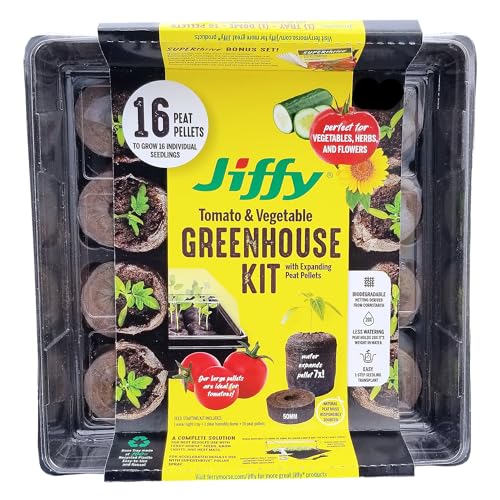
COMPLETE GERMINATION KIT: Includes sixteen 50 mm peat pellets for easy seed starting. Designed for optimal moisture retention and healthy root development in every pellet.

12-LED GROW LIGHT PER TRAY — Each of the five seed starting trays features a full-spectrum grow light with 12 LED beads, providing supplemental light for indoor seedlings.
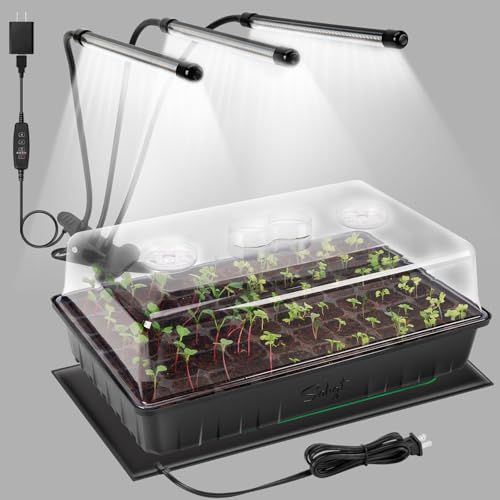
Complete Seed Starter Kit: All-in-one with 60-cell seedling tray, bottom seed starter tray, humidity dome, grow lights for seed starting, heat mat, and easy instructions. Perfect for starting healthy seedlings or clone propagation indoor
Sowing Seeds Indoors
When starting your tomato seeds indoors, begin about 6-8 weeks before the last expected frost date in your area. Here’s how you can do it:
- Seed Trays: Fill seed trays with a moistened seed-starting mix.
- Planting Depth: Plant the seeds about ¼ inch deep in the soil.
- Light and Warmth: Place the trays in a warm spot receiving plenty of sunlight or under grow lights.
- Moisture: Keep the soil consistently moist but not waterlogged.
- Germination Time: Tomato seeds typically germinate within 5-10 days when kept at around 70-80°F (21-27°C).
- Transplanting: Once the seedlings have their first set of true leaves, transplant them into larger pots.
Transferring Seedlings Outdoors
After nurturing your tomato seedlings indoors, it’s time to move them outside for optimal growth:
- Timing: Wait until after the last frost date in your region before transplanting outdoors.
- Hardening Off: Gradually expose your seedlings to outdoor conditions over a week before planting them directly in the garden.
- Soil Preparation: Choose a sunny location with well-draining soil rich in organic matter.
- Plant Spacing: Space your tomato plants about 18-24 inches apart to allow room for growth.
- Planting Depth: Bury the stem up to its first set of leaves to encourage strong root development.
- Support Systems: Install stakes or cages at planting time to support growing plants as they mature.
Caring for Tomato Seedlings Post-Planting
After you have successfully planted your tomato seedlings, it’s crucial to provide proper care to ensure their healthy growth. Here are essential tips for caring for your tomato plants post-planting:
Watering and Feeding Your Tomato Plants
Watering: It’s important to maintain consistent soil moisture levels for your tomato plants. Water them regularly, ensuring the soil is moist but not waterlogged. Aim to water at the base of the plants to avoid wetting the foliage excessively.
Feeding: To promote robust growth and fruit development, consider fertilizing your tomato plants. You can use a balanced fertilizer or one specifically formulated for tomatoes. Follow the instructions on the fertilizer package for application guidelines.
Monitoring for Pests and Diseases
Pests: Keep an eye out for common tomato pests such as aphids, hornworms, and whiteflies. Regularly inspect your plants for any signs of pest infestation, such as holes in leaves or visible insects. Consider using organic pest control methods if needed.
Diseases: Be vigilant against common tomato diseases like early blight, powdery mildew, and blossom end rot. Look out for yellowing leaves, dark spots, or mold growth on plant surfaces. Practice good garden hygiene by removing affected plant parts promptly.
Conclusion
You now have all the tools to kick off your tomato seed planting journey with confidence. Remember, success lies in understanding the critical factors like temperature, sunlight, and soil quality. By following the step-by-step guide provided, from indoor sowing to outdoor transplanting, you’re setting yourself up for a thriving tomato garden. Don’t forget about post-planting care – watering diligently, feeding appropriately, and staying vigilant against pests and diseases are key to ensuring healthy growth. With these insights at hand, go ahead and put your green thumb to work! Happy planting!
Frequently Asked Questions
Q: What are the key factors to consider when planting tomato seeds?
A: Temperature, sunlight, and soil quality are crucial for successful tomato seed growth.
Q: When should I sow tomato seeds indoors?
A: Sow tomato seeds indoors about 6-8 weeks before the last expected frost date.
Q: How should I plant tomato seeds indoors?
A: Use seed trays, maintain proper planting depth, provide adequate light, warmth, and moisture for optimal growth.
Q: When should I transfer tomato seedlings outdoors?
A: Transfer seedlings outdoors after hardening off and ensuring the timing is right.
Q: How do I care for tomato seedlings post-planting?
A: Water regularly, feed appropriately, monitor pests like aphids, and watch out for diseases such as early blight.
