

Ever wondered if that crisp lettuce in your salad packs a potassium punch? You’re not alone! Many people focus on fruits and vegetables for their potassium intake, but lettuce often gets overlooked.
Key Takeaways
- Lettuce Contains Potassium: Lettuce offers approximately 194 mg of potassium per 100 g, supporting heart health and fluid balance.
- Nutritional Benefits: In addition to potassium, lettuce is rich in vitamins A and K, folate, and fiber, making it a nutritious addition to any diet.
- Hydration Support: With about 95% water content, lettuce is excellent for hydration, making it a refreshing option for salads and other dishes.
- Varieties Matter: Types like Romaine and Butterhead lettuce have higher potassium levels, with 247 mg and 185 mg per 100 g, respectively.
- Complementary Role: While lower in potassium compared to other vegetables like spinach and potatoes, lettuce contributes to overall potassium intake due to its diverse nutrient profile.
- Daily Potassium Needs: For adults, the recommended daily intake of potassium is around 2,500 to 3,000 mg, highlighting the importance of including a variety of potassium-rich foods in your diet, including lettuce.
Overview of Lettuce Nutritional Profile
Lettuce offers a range of essential nutrients, including a notable amount of potassium. Understanding the nutritional profile helps you appreciate its health benefits.
Key Nutrients in Lettuce
- Potassium: Contains approximately 194 mg per 100 g, supporting heart health and fluid balance.
- Vitamin A: Provides around 740 IU per 100 g, promoting good vision and skin health.
- Vitamin K: Supplies 126.3 mcg per 100 g, important for bone health and blood clotting.
- Folate: Yields 38 mcg per 100 g, contributing to cell division and DNA synthesis.
- Fiber: Offers about 1 g per 100 g, aiding digestion and promoting a feeling of fullness.
- Supports Hydration: Contains about 95% water, making it an excellent choice for staying hydrated.
- Aids Digestion: The fiber content helps maintain digestive health.
- Promotes Heart Health: Potassium helps regulate blood pressure and supports cardiovascular function.
- Boosts Immunity: The vitamins A and K contribute to a stronger immune system.
- Encourages Weight Management: Low in calories yet high in volume, lettuce fills you up without adding many calories.
Incorporating lettuce into your diet adds diverse nutrients and health benefits, making it a smart choice for overall wellness.
Potassium Content in Lettuce
Lettuce provides a notable source of potassium, offering approximately 194 mg per 100 g. This makes it a useful addition to your diet for maintaining healthy potassium levels.
Types of Lettuce with Higher Potassium Levels
Certain types of lettuce contain higher potassium levels than others. Here are some examples:
- Romaine Lettuce: Contains about 247 mg of potassium per 100 g. It’s crunchy and versatile, perfect for salads and sandwiches.
- Butterhead Lettuce: Offers around 185 mg of potassium per 100 g. This type has a soft texture and a slightly sweet flavor.
- Iceberg Lettuce: Contains about 141 mg of potassium per 100 g. While lower in potassium, it’s refreshing and widely used in various dishes.
Incorporating these varieties into your meals can help boost your potassium intake.
Comparison with Other Vegetables
When you compare lettuce to other vegetables, its potassium content may seem modest. Here’s how it stacks up against some common vegetables:
| Vegetable | Potassium Content (mg per 100 g) |
|---|---|
| Spinach | 558 mg |
| Swiss Chard | 379 mg |
| Kale | 491 mg |
| Carrots | 320 mg |
| Potatoes | 425 mg |
While vegetables like spinach and potatoes contain significantly more potassium, adding lettuce to your diet still contributes to your overall intake. Plus, the additional nutrients in lettuce complement those found in other potassium-rich foods.
Keeping a varied diet with different types of vegetables helps ensure you get enough potassium.
Importance of Potassium in Diet
Potassium plays a critical role in maintaining overall health. It’s essential for various bodily functions, from muscle contractions to fluid balance. Understanding its importance can help you prioritize your potassium intake.
Recommended Products

ESSENTIAL MINERAL*/SUPPORTS ELECTROLYTE BALANCE AND NORMAL pH*: Take 1 NOW Potassium Citrate veggie capsule daily, preferably with food. Potassium is critical for the maintenance of normal whole-body and cellular fluid levels, as well as for the maintenance of acid-base balance*

Heart health support supplement: contains one 100 count bottle of Nature Made Potassium Gluconate 550 mg Tablets for a 100-day supply
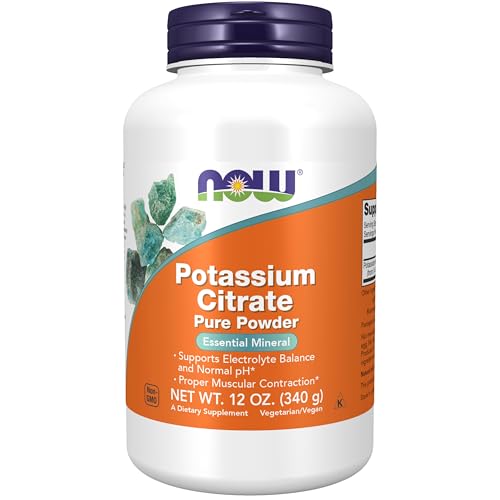
Potassium citrate powder 12 oz by now foods
Role of Potassium in the Body
Potassium supports many vital functions. It helps regulate blood pressure by balancing sodium levels. It aids muscle contractions, ensuring your muscles work efficiently during physical activities. It supports nerve function, helping transmit signals throughout the body. It’s essential for maintaining proper hydration and cellular function, keeping your cells healthy.
Recommended Daily Intake of Potassium
The recommended daily intake of potassium varies by age and gender. For adults, aim for about 2,500 to 3,000 mg per day. Pregnant and breastfeeding women require slightly more potassium to support both their health and that of their baby. Foods rich in potassium include fruits like bananas and oranges, vegetables such as potatoes and spinach, and, of course, certain types of lettuce. Including a variety of these foods ensures you meet your potassium needs effectively.
Conclusion
Lettuce might not be the first vegetable that comes to mind when you think of potassium sources but it definitely has its place in a balanced diet. By including different types of lettuce like Romaine or Butterhead, you can easily boost your potassium intake while enjoying a refreshing crunch.
Remember that every little bit counts when it comes to nutrition. So next time you’re tossing a salad or making a sandwich, don’t underestimate the power of lettuce. It’s a simple way to add flavor and nutrients to your meals while supporting your overall health. Keep exploring various vegetables to ensure you’re getting all the potassium and other nutrients your body needs.
Frequently Asked Questions
What is the potassium content in lettuce?
Lettuce contains about 194 mg of potassium per 100 grams. Specific types like Romaine lettuce have even higher levels, with 247 mg per 100 grams.
What are the other nutrients found in lettuce?
In addition to potassium, lettuce is rich in essential nutrients, including vitamin A, vitamin K, folate, and fiber, contributing to overall health.
How does lettuce benefit my health?
Lettuce can support hydration, aid digestion, promote heart health, boost immunity, and assist in weight management due to its low calorie and high nutrient content.
How does lettuce compare to other vegetables in potassium?
While lettuce has less potassium than spinach, Swiss chard, or kale, it still contributes to overall potassium intake, making it a valuable addition to a balanced diet.
What is the daily recommended intake of potassium?
Adults should aim for about 2,500 to 3,000 mg of potassium daily, with increased requirements for pregnant and breastfeeding women to support overall health.
Can I rely solely on lettuce for my potassium needs?
While lettuce can contribute to your potassium intake, it shouldn’t be your only source. A varied diet with multiple types of vegetables is essential for meeting potassium needs.
