

Have you ever wondered how that crisp lettuce ends up on your plate? Growing your own lettuce can be a rewarding experience, but it all starts with one simple question: does lettuce grow from seeds? If you’ve tried starting a garden, you know it can be tricky to figure out where to begin.
Key Takeaways
- Lettuce Grows from Seeds: Lettuce is primarily grown from seeds, which germinate in 7 to 14 days under optimal conditions of temperature and moisture.
- Soil Preparation: Use nutrient-rich, well-draining soil with a pH between 6.0 and 7.0 for best results.
- Optimal Conditions for Germination: Maintain a soil temperature of 60°F to 70°F, and ensure consistent moisture and ample light to encourage seed sprouting.
- Types of Lettuce Varieties: Choose between leaf, head, and specific types like Butterhead, Iceberg, and Romaine based on your taste and gardening conditions.
- Watering and Care: Keep seedlings consistently moist without overwatering, and monitor them for pests and diseases to ensure healthy growth.
- Planting Timing: Plant lettuce seeds in spring or fall, and consider succession planting for continuous harvests throughout the growing seasons.
Understanding Lettuce Growth
Lettuce grows effectively from seeds, making it a popular choice for home gardeners. The seeds germinate quickly, typically within 7 to 14 days, depending on the variety and conditions. Germination requires minimal light but maintains an optimal temperature of 60 to 70°F.
Steps to Grow Lettuce from Seeds
- Select Varieties: Choose from types like leaf, romaine, or iceburg. Each has unique flavors and growth habits.
- Prepare Soil: Use well-draining soil enriched with organic matter. Aim for a pH between 6.0 and 7.0.
- Plant Seeds: Sow seeds directly into the soil about 1/4 inch deep, spacing them 12 inches apart. You can also use seed trays for starting indoors.
- Watering: Keep the soil consistently moist but avoid waterlogging. Water gently to prevent displacing seeds.
- Lighting: For indoor trays, place them in a sunny location or under grow lights for at least 12 hours daily.
Factors Influencing Growth
- Temperature: Lettuce thrives in cooler weather. Aim for spring or fall planting in most regions.
- Light: Ensure that seedlings receive ample light. If they stretch or become leggy, they may not get enough.
- Fertilization: Use a balanced fertilizer every few weeks after seedlings emerge. Stick to organic options for healthier plants.
- How Deep Should I Plant Seeds?: Plant seeds 1/4 inch deep.
- Can I Transplant Lettuce?: Yes, lettuce can be transplanted, but handle seedlings carefully to avoid root damage.
- What If Seeds Don’t Germinate?: Check soil moisture and temperature. If conditions are unfavorable, seeds may fail to sprout.
Growing lettuce from seeds offers flexibility and a rewarding experience. The careful execution of these steps ensures healthy plants, leading to fresh harvests from your garden.
Types of Lettuce Seeds
Lettuce seeds come in various types, each offering unique flavors and textures. Understanding these varieties helps you choose the right type for your garden.
Recommended Products

YEAR-ROUND GARDEN FAVORITE – Dependable butterhead lettuce that thrives in cool or moderate weather for consistent harvests from spring through fall, even under cover in winter

Exceptional Germination Rates - Achieve a lush garden effortlessly with our Butter Crunch Lettuce seeds, boasting high germination rate. Ideal for both beginners and experienced gardeners, ensuring a successful harvest every time.

USDA Certified Organic by Oregon Tilth
Leaf Lettuce Varieties
Leaf lettuce varieties boast loose, tender leaves that grow quickly. Popular types include:
- Butterhead: Known for its soft, buttery leaves, it grows quickly and thrives in cooler weather.
- Looseleaf: Offers a mix of textures and colors. Varieties like “Red Romaine” and “Green Salad Bowl” provide both visual appeal and flavor.
- Oakleaf: Features lobed leaves resembling oak leaves. It has a mild taste and grows rapidly.
These varieties are easy to harvest, as you can pick individual leaves without uprooting the entire plant.
Head Lettuce Varieties
Head lettuce varieties form compact heads and feature crisp leaves. Common choices include:
- Iceberg: A classic choice known for its crunchiness. It prefers cooler temperatures, making it ideal for spring and fall planting.
- Romaine: Tall, upright leaves with a robust flavor. It’s perfect for salads and has good disease resistance.
- Butterhead: While also a leaf type, it can form heads resembling small cabbages. Its soft texture works well in salads.
These varieties benefit from adequate space between plants to allow heads to develop properly. Always consider your growing conditions when selecting lettuce seeds for your garden.
The Germination Process
Lettuce seeds germinate relatively quickly, under the right conditions. Understanding the germination process helps ensure successful growth of your lettuce.
Recommended Products

CONTAINS: This organic Seed Stating soil mix is a rich blend of sphagnum peat moss & perlite with yucca extract and lime to ensure correct pH.

Miracle-Gro Indoor Potting Mix for Seed Starting grows stronger roots for seeding success (vs unfed when used as directed)

Yields and average of 180 salad leaf plants including varieties of arugula, endive, mustard greens, and more. Yields roughly 32 lbs of mature greens after just a full growing season, 40 days for baby greens.
Optimal Conditions for Germination
You’ll achieve the best results when providing optimal conditions for germination. Here are key factors:
- Temperature: Lettuce seeds germinate best at temperatures between 60°F and 70°F. Ensure your soil temperature stays within this range for quick germination.
- Moisture: Consistent moisture is crucial. Keep the soil lightly moist but not waterlogged. Use a spray bottle to mist the soil if necessary.
- Light: Lettuce seeds require light to germinate. If growing indoors, placing them under grow lights or in a sunny window helps promote healthy sprouting.
- Soil: Use well-draining seed-starting mix. This type of soil prevents oversaturation, allowing seeds to breathe.
Providing these optimal conditions sets the stage for successful germination.
Common Germination Issues
Sometimes, germination encounters pitfalls. Be aware of these common issues:
- Overwatering: Waterlogged soil can cause seeds to rot. Monitor moisture levels closely and allow the top layer of soil to dry out between watering.
- Insufficient Light: If seeds don’t receive enough light, they may struggle to sprout. Ensure they get 12 to 16 hours of light daily, especially during the seedling stage.
- Temperature Fluctuations: Extreme temperature changes can hinder germination. Maintain stable conditions, avoiding drafts or areas with heat sources that influence temperature.
- Poor Seed Quality: Old or improperly stored seeds may not germinate effectively. Use fresh, high-quality seeds from a reputable source for better results.
Addressing these germination issues enhances your chances of developing a successful lettuce crop.
Planting Lettuce Seeds
Planting lettuce seeds requires attention to detail to ensure successful germination and growth. By following best practices and timing your planting correctly, you’ll maximize your chances of a fruitful harvest.
Best Practices for Seed Planting
- Choose Quality Seeds: Start with fresh, high-quality seeds from a reliable source. Look for organic or non-GMO options for optimal results.
- Prepare the Soil: Use well-draining, nutrient-rich soil. Amend with compost to improve fertility. Aim for a pH between 6.0 and 7.0 for best growth.
- Plant at the Right Depth: Sow seeds about 1/4 inch deep. This depth provides the right conditions for germination while protecting the seeds from birds and drying out.
- Water Gently: After planting, water the area lightly to keep the soil moist but not soggy. Use a spray bottle or gentle hose setting to avoid displacing seeds.
- Thin Seedlings: Once seedlings reach about 2 inches tall, thin them to about 6 to 12 inches apart, depending on variety. This spacing encourages air circulation and healthy growth.
When to Plant Lettuce Seeds
Lettuce thrives in cooler temperatures. Plant seeds as soon as the soil can be worked in spring, ideally when soil temperatures reach 45°F to 65°F. For a continuous harvest, consider these timing tips:
- Spring Planting: Start seeds indoors 4 to 6 weeks before the last expected frost. Transplant seedlings outdoors after the frost risk passes.
- Succession Planting: For ongoing harvests, plant another batch every 2 to 3 weeks through spring and early summer.
- Fall Planting: In warmer climates, sow seeds in late summer for a fall harvest. Ensure to plant at least 6 weeks before the first expected frost to allow maturation.
By following these guidelines, you can set your lettuce seeds up for success, ensuring a bountiful crop.
Care for Lettuce Seedlings
Lettuce seedlings require careful attention to ensure healthy growth. Providing the right conditions makes a significant difference in your harvest.
Recommended Products

GENTLE HYDRATION FOR DELICATE PLANTS: Delivers a fine & even mist that replicates natural humidity to hydrate indoor house plants like orchids, tropical plants, ferns, and even seedlings without over-saturating the soil or damaging petals
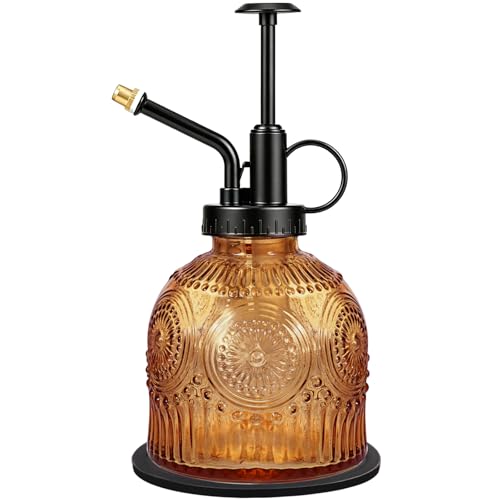
✅Premium 8 oz Glass Plant Mister with Durable Pump – This refillable and reusable glass spray bottle is built for long-term daily use, ideal for indoor plants, houseplants, and all-around home care. The transparent design lets you easily monitor water levels while adding a stylish touch to your space.

EFFORTLESSLY STYLES HAIR – Our Continuous Spray Bottles for Hair effortlessly tame and style hair. Simply pump the trigger to build pressure; the continuous mist activates after the 2nd pull and extends with each additional pump, ensuring even distribution for salon-worthy results every time.
Watering Guidelines
Watering lettuce seedlings calls for consistency without overdoing it. Keep the soil consistently moist but not soggy. Water in the morning to allow excess moisture to evaporate during the day.
Use a spray bottle or a gentle watering can to prevent disturbing the roots. As seedlings grow, adjust your watering frequency based on the weather. During hot, dry spells, you might need to water daily. Aim for about 1 inch of water per week.
Pest and Disease Management
Managing pests and diseases helps protect your lettuce seedlings. Regularly inspect your plants for signs of pests like aphids and snails. Remove these pests by hand or use an insecticidal soap as needed.
Disease prevention involves proper spacing and air circulation. Avoid overhead watering to reduce the risk of fungal diseases. Rotate your crops each season to disrupt disease cycles. If you notice any issues, act quickly to remove affected plants and maintain a healthy garden environment.
Conclusion
Growing lettuce from seeds is a fun and fulfilling journey. With the right conditions and care you can enjoy fresh and delicious greens right from your garden. Remember to choose the variety that suits your taste and growing environment.
Pay attention to soil, moisture, and light to ensure your seeds thrive. By following best practices for planting and caring for your seedlings you’ll set yourself up for a bountiful harvest.
So grab those seeds and get started on your lettuce-growing adventure. You’ll be rewarded with crisp, homegrown lettuce that tastes so much better than store-bought. Happy gardening!
Frequently Asked Questions
Does lettuce grow from seeds?
Yes, lettuce grows from seeds. You can successfully cultivate lettuce by planting seeds directly in the soil, where they will germinate and grow into healthy plants.
How long does it take for lettuce seeds to germinate?
Lettuce seeds typically germinate within 7 to 14 days under optimal conditions. This includes maintaining appropriate soil temperature, moisture, and light.
What are the best conditions for growing lettuce?
Lettuce thrives in well-draining soil with temperatures between 60°F and 70°F. Ensure consistent moisture and provide adequate light for healthy growth.
What are the main types of lettuce?
Lettuce varieties fall into two main categories: leaf varieties, like Butterhead and Looseleaf, and head varieties, such as Iceberg and Romaine. Each has distinct flavors and growth habits.
How deep should I plant lettuce seeds?
Lettuce seeds should be planted at a depth of about 1/4 inch to ensure proper germination and growth.
How often should I water lettuce seedlings?
Water lettuce seedlings consistently to keep the soil moist but not oversaturated. Adjust watering frequency based on weather conditions and always water in the morning.
What should I do about pests and diseases in my lettuce?
Regularly inspect your lettuce for pests and maintain proper spacing to ensure good air circulation. Implement crop rotation and act quickly if any issues arise to keep your garden healthy.
